This article contains affiliate links. We may earn a commission if you buy through them, at no extra cost to you.
Summer reading works best when the book matches the hours you actually have: a week by water, a delayed flight, a porch that stays light until nine. The phrase 14 books to read in summer is a request for range, not a single mood. Some readers want a plot that moves as fast as a heat wave. Others want a book that feels like shade.
This list keeps that mix. It includes vacation romances, family weeks at the shore, a Finnish island classic, a castle journal that still feels fresh, one mythic island novel, a gothic house by the sea, a Hamptons week that curdles, a retirement-village mystery, and a true account of a couple adrift in the Pacific. The titles differ in pace and heat. What they share is a strong sense of season: weather, travel, limited time, and the way people behave when ordinary routines fall away.
What makes a book work in summer
A summer book does not have to be light. It has to be portable in attention as well as in a bag. Readers looking for 14 books to read in summer usually want stories that can survive interruption without collapsing, or stories so absorbing that interruption feels like a loss. Setting helps: beaches, islands, orchards, coastal towns, and houses borrowed for a week. Tone matters more. Heat, leisure, and proximity make tempers and attachments rise.
Community discussions tend to split along two lines. One group wants books that feel like a holiday: friendship-to-lovers trips, celebrity siblings, Cape Cod rentals, seaside gossip. The other group wants books that use summer as pressure: an unnamed bride arriving at a Cornish estate, a young woman overstaying her welcome in the Hamptons, a marriage reduced to a dinghy. Both impulses are valid. The list below is built so you can choose by energy level instead of pretending every July afternoon wants the same novel.
14 books to read in summer
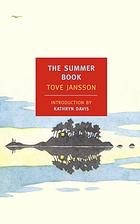
The Summer Book
A six-year-old named Sophia and her grandmother spend a season on a small island in the Gulf of Finland. There is a father on the island too, mostly offstage. The book is built from short chapters that behave like weather: a visitor, a tent, a storm, a disagreement about God, a walk that goes farther than planned. Nothing is staged as a plot twist. The season itself is the event.
Jansson wrote for adults here with the same exactness she brought to the Moomin books, minus the trolls. The grandmother is sharp, tired, and funny. Sophia is curious and sometimes cruel in the ordinary way children are. Together they invent games and argue about what is allowed. Readers who treat summer as a chance to slow down often return to this novel because it does not sell the season as luxury. It treats light, moss, and incoming weather as enough. It belongs on a summer list because it is one of the few novels that actually feels like living through a long, bright stretch of days.

People We Meet on Vacation
Poppy and Alex have almost nothing in common except a decade of one-week trips. She lives for motion and other people’s stories. He likes routine, books, and staying put. After a friendship-ending vacation, Poppy asks for one more trip, hoping they can repair what broke. The novel cuts between past summers and the present one, so the destinations become a record of who they were at each age.
Henry writes banter that actually carries character, not just quips. The book works as a summer read because travel is the structure, not a backdrop pasted onto a meet-cute. Each trip has a different temperature: a flight scare, a wedding, a city that looks better in photos than in person. Readers who bounce off overly sweet romance still often finish this one because the central question is practical: can two people keep choosing each other when their lives no longer share a calendar? It is the cleanest modern vacation novel on this list, and the one most likely to disappear in a single long afternoon.
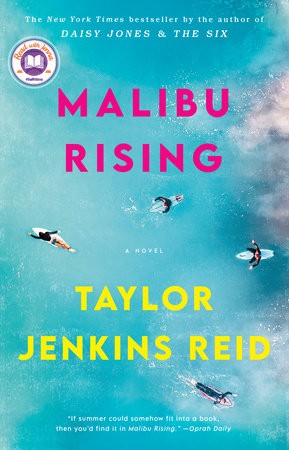
Malibu Rising
August 1983, Malibu. Nina Riva is preparing her annual end-of-summer party while the rest of Los Angeles tries to get on the list. Nina, Jay, Hud, and Kit are famous in the way children of a legendary singer become famous: watched, photographed, and never quite separate from their father’s mess. The novel moves between the day of the party and the decades that produced these siblings.
Reid is good at fame as weather. The ocean, the canyon, and the house are not scenery; they decide who can leave and who has to stay. Readers looking for a beach book that is not a romance first will find the family plot more useful than the celebrity gloss. The party structure gives the book a clock, which is why it travels well. You can feel the afternoon turning into night. Compared with Henry’s vacation friendship, this is louder, more sunstruck, and more interested in what inherited talent costs the people who did not ask for it.

Sandwich
- Series
- Rocky
Rocky has spent twenty summers in the same Cape Cod rental with the same plumbing problems and the same family configuration that never stays the same. This year her children are old enough to be good company and still young enough to need her. Her parents are present and aging. She is in the middle, which is the joke and the subject. The week is full of sandwiches, swimming, and the kind of secrets that only surface when nobody can leave the cottage.
Newman writes family talk with unusual accuracy. The book is funny in the specific way a beach week is funny: someone is always hungry, someone is always about to cry, and the ocean keeps being beautiful anyway. It earns a place among books to read in summer because the setting is not aspirational Malibu. It is a reused rental and a tightly packed calendar. Readers who found Tom Lake too pastoral, or Malibu Rising too glamorous, often want this register instead: midlife, meals, and the fear that a tradition is ending while you are still inside it.
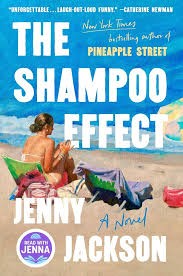
The Shampoo Effect
Caroline Lash arrives in Greenhead, Massachusetts, for a writer’s residency in a beach cottage and falls fast for Van Whittaker, who has never really left the coastal town or the friends he grew up with. The group still moves as a pack through marshes, bars, and long afternoons. Then a pregnancy shifts the balance, Caroline is pushed to the edge of the circle, and the town’s private arrangements stop looking charming.
Jackson’s first novel, Pineapple Street, was already built for summer reading. This follow-up is more explicitly a seaside book: salt air, old money, and the shampoo someone else’s mother still keeps in the shower. It belongs here because so many 2026 lists treated it as the season’s social comedy. Readers who want gossip without cruelty will get close, but not all the way; the book is interested in how childhood friends freeze you at an earlier age. Compared with Summer Sisters, the privilege is newer and the jokes are drier. It is the list’s most current beach-town novel.
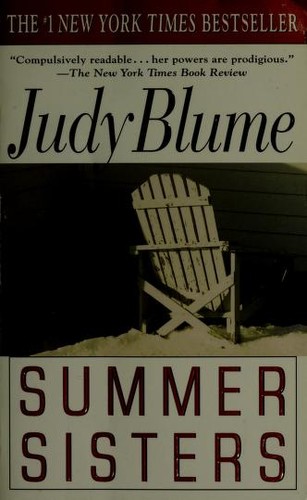
Summer Sisters
In 1977, cautious Victoria Leonard is chosen by dazzling Caitlin Somers. That choice opens a second life: Caitlin’s sprawling family and summers on Martha’s Vineyard, where the two girls name themselves summer sisters and try on adulthood before they are ready. Years later, Caitlin is getting married on the island and wants Vix there. The invitation forces Vix to look at the summers that made her and the ones that split the friendship.
Blume’s adult novel still circulates every June because the Vineyard setting is doing real work. Privilege is visible, desire is awkward, and loyalty is not evenly distributed. Readers often call it juicy and then admit it is also about class and the person who gets to be the sun. It is less tidy than Henry and less stylized than Reid. That roughness is the point. If you want a summer book that remembers how friendship can feel like both rescue and capture, this is the one that has been doing that job for decades.
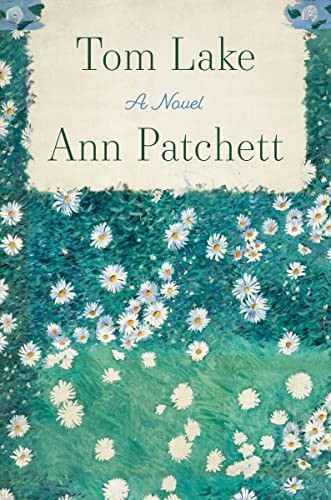
Tom Lake
In the first pandemic spring, Lara’s three daughters come home to the family cherry orchard in northern Michigan. While they pick fruit, they push her to tell the story of Peter Duke, the actor she knew one summer when she was young and performing Our Town at a theater called Tom Lake. The present is quiet and contained. The past is a season of rehearsal, attraction, and the version of herself her daughters have never met.
Patchett uses summer stock and harvest as two kinds of enclosed time. The orchard gives the book a daily rhythm that works well in hot weather: work, talk, another story at the end of the row. Readers who want plot fireworks may find the novel too still. Readers who want a family book with a summer inside it usually stay. Next to Sandwich, Tom Lake is cooler and more composed. Next to Beautiful Ruins, it is less sprawling. It is the list’s argument that a summer book can be about picking cherries and still feel complete.
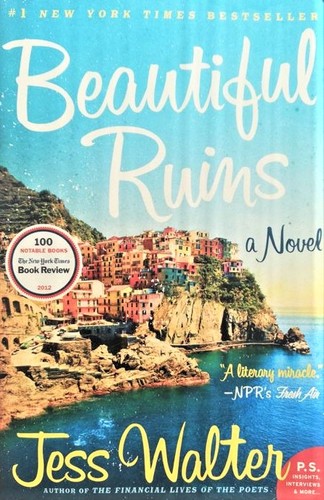
Beautiful Ruins
In 1962, on a scrap of Italian coastline, a young innkeeper watches an American actress arrive by boat. Dee Moray has come from the set of Cleopatra and from a life that is already more public than she can manage. Fifty years later, that almost-love affair surfaces again in Hollywood, pulling in a producer, an assistant, a novelist, and a set of lives that never quite let the Italian coast go.
Walter writes summer as a postcard that keeps getting rewritten. Porto Vergogna is tiny, bright, and a little ridiculous, which is why the book feels like travel even when it jumps to studios and later decades. Authors still name it as a holiday novel because it offers glamour without asking you to take glamour seriously. It is funnier than Tom Lake and more crowded than The Summer Book. If your summer reading mood is “take me somewhere ruined and beautiful,” this is the most direct answer on the list.
I Capture the Castle
Seventeen-year-old Cassandra Mortmain writes her life in cheap notebooks while her family occupies a crumbling Suffolk castle they cannot afford. Her father has stopped writing. Her sister Rose wants a way out. A pair of American heirs arrive and alter the household’s weather. The novel is Cassandra’s attempt to get the whole scene down before it changes.
Smith published the book in 1948, but the voice still reads like summer: long days, damp rooms, sudden guests, and the first serious confusion about love. Readers recommend it year after year because it is both cozy and restless. The castle is romantic until you remember there is no money for heat. Next to Rebecca, this house is comic rather than haunted. Next to Tom Lake, the young narrator is allowed to be vain and wrong. It is the list’s best argument for packing one older novel that does not feel like homework.
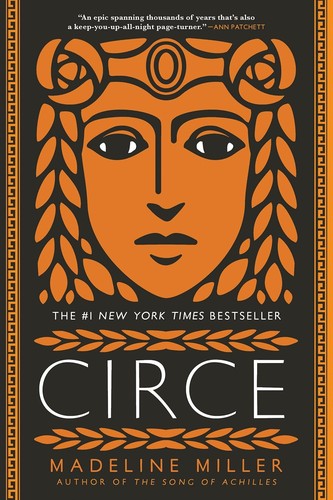
Circe
Circe is born in the house of Helios and fits neither the brutality of the Titans nor the easy beauty expected of a nymph. Isolated, then exiled to the island of Aiaia, she learns witchcraft the long way: by experiment, error, and the company of mortals who wash up on her shore. Gods visit. Sailors arrive. The island becomes both prison and workshop.
Miller’s novel is a summer book in the transport sense. Heat, salt, herbs, and a single isolated coastline give it the same vacation logic as Jansson’s island, with much higher stakes. Readers who want myth without a textbook often finish it faster than they expect because the sentences stay clear. It is the only full fantasy title here, which is useful. A summer list that is all rentals and romances starts to blur. Circe changes the temperature: longer time scale, stranger company, same need to make a life in a place you did not choose.

Rebecca
An unnamed young woman marries Maxim de Winter and is taken to Manderley, his estate on the Cornish coast. The house is beautiful, exposed to weather, and organized around a first wife who is no longer there. The new bride tries to learn the role and keeps finding that the role already has an occupant. The housekeeper, Mrs. Danvers, makes that fact impossible to ignore.
Rebecca is a summer book because so much of it happens in a seaside house during a season of guests, drives, and formal meals. It is also the opposite of a breezy beach read: the air is heavy, the social rules are sharp, and the past will not stay packed away. Readers still pack it because the pages move. Compared with The Guest, the class performance here is older and more ritualized. Compared with Beautiful Ruins, the glamour has teeth. If you want one classic that proves summer reading can be suspense, this is the safest choice.

The Guest
Late summer on Long Island. Alex, twenty-two, has been staying with an older man in the Hamptons until one mistake at a dinner party ends the arrangement. She is given a ride to the train and a ticket she does not use. For the week before Labor Day she moves through borrowed houses, beach clubs, and other people’s weekends, staying just plausible enough to remain inside rooms that are not hers.
Cline writes summer leisure as a closed system with bad ventilation. The light is gorgeous. The manners are thin. Alex’s talent is noticing what people want and offering a version of herself that fits for an afternoon. Readers looking for a gentle holiday novel should skip this one. Readers who want the season’s unease will find it more honest than a polished beach romance. Vogue called an excerpt out before publication; later coverage treated it as a status vacation book with a sour aftertaste. That aftertaste is the reason it belongs on a serious summer list.
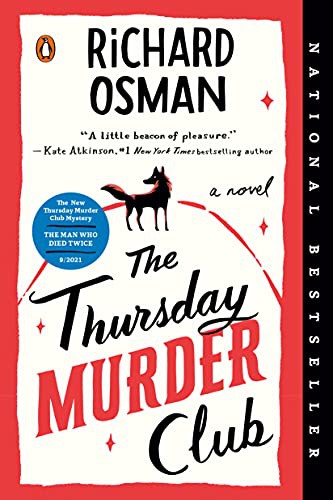
The Thursday Murder Club
- Series
- Thursday Murder Club
In the Kent retirement village of Cooper’s Chase, four friends meet on Thursdays to review old murder files. Elizabeth, Joyce, Ibrahim, and Ron have different professional pasts and the same surplus of time. When a real killing lands in their orbit, the hobby becomes a case, and the village’s polite surface starts to look less polite.
Osman writes short chapters and conversation that feels like good company, which is why the book is a practical summer object: easy to pick up after a swim, hard to leave in the middle of a clue. It is not set on a beach, and that is useful. Not every summer day is coastal. Some are suburban, hot, and full of people who know too much about each other. Compared with Rebecca, the mystery is companionable. Compared with The Guest, it believes in friendship as a working method. Start here if you want the series; later books assume you already know the four.

A Marriage at Sea
In June 1972, Maurice and Maralyn Bailey left England in their boat, aiming for a life that looked nothing like the one they had. After nearly a year at sea, a whale stove in the hull in the Pacific. The boat went down. The couple ended up in a dinghy with a shrinking set of options and a marriage that now had no privacy and no land. Elmhirst reconstructs the voyage from diaries, letters, and later accounts.
This is the list’s nonfiction title, and it earns the space. Summer reading often means water; this book refuses the decorative version of water. The pages are short and arranged like a novel, which is why so many 2025 lists put it next to fiction. It is not a hammock soother. It is the book to pack if you want tension that is factual. Next to Circe’s mythic island and Jansson’s gentle one, the Pacific here is indifferent. The marriage is the only remaining society, and Elmhirst keeps both the love and the strain in view.
How to choose among these 14
If you want heat and talk, start with People We Meet on Vacation, Malibu Rising, The Shampoo Effect, or Summer Sisters. If you want family in a rented or inherited landscape, use Sandwich or Tom Lake. If you want a place more than a plot, The Summer Book, Beautiful Ruins, and I Capture the Castle are the strongest matches.
If you want pressure rather than ease, choose Rebecca, The Guest, Circe, or A Marriage at Sea. The Thursday Murder Club is the book to pack when you need short chapters and company. None of these titles requires a series commitment except Osman’s, and even that first book stands on its own. Match the book to the week you are actually having, not the week you meant to have.
Frequently asked questions
What counts as a summer book if I do not like beach romances?
Setting helps, but pace and weather matter more. The Summer Book, Tom Lake, Beautiful Ruins, Circe, and A Marriage at Sea all use summer or sea air without relying on a meet-cute. A summer book is any title you can live with in bright, interrupted days.
Which of these 14 is the lightest read?
People We Meet on Vacation and The Thursday Murder Club are the easiest to carry through travel days. The Shampoo Effect and Malibu Rising are also fast, though both have sharper family edges than the phrase beach read suggests.
Which title is best for a book club in summer?
Sandwich, Tom Lake, Summer Sisters, and The Guest give groups more to argue about than a simple romance. Rebecca remains a strong classic choice because almost everyone notices a different crack in the marriage.
Do I need to read these in any order?
No. The Thursday Murder Club is first in a series, so start there if you think you will continue. Sandwich is followed by Wreck, but it is complete by itself. The rest are standalones.
Is there a nonfiction option on the list?
Yes. A Marriage at Sea is a reported account of Maurice and Maralyn Bailey’s voyage and shipwreck. It reads quickly, but it is a survival story, not a decorative ocean book.
Fourteen is enough to cover the season without turning the pile into work. Take the book that matches the week: a cottage comedy, a coastal gothic, an island small enough to walk, or a dinghy that does not let anyone pose. Summer reading is not a genre. It is a set of conditions. These books were chosen because they hold up under those conditions.