This article may contain affiliate links. If you buy a book through those links, the site may earn a commission at no extra cost to you.
People search for 13 easy English books to read when they want a complete story, not another grammar drill. The goal is usually the same: enough plot to stay interested, and sentences that do not collapse into a dictionary session.
This list mixes books written for learners with original novels that teachers, libraries, and language forums keep recommending because the prose is short, clear, or highly supported by pictures. The thirteen titles are not equally easy. They move from controlled beginner stories to short adult classics, so you can match a book to the English you already have.
What makes an English book easy to read
Easy does not mean empty. The books that work for new readers tend to share a few traits: common vocabulary, short or medium sentences, a story you can follow even if a word is new, and a length you can finish. Graded readers control the word list on purpose. Children's novels often do the same thing by accident, because they were written to be read aloud.
Adult learners on language forums repeatedly say the same thing: start below your pride level. A children's novel or a 100-page classic is not a step backward if it is the first English book you complete. Readers also warn that some famous 'simple' books are simple in grammar but heavy in theme, and that later books in a series can jump in difficulty. That is why this list notes tone, reader fit, and limits instead of treating every title as beginner-friendly in the same way.
13 easy English books to read
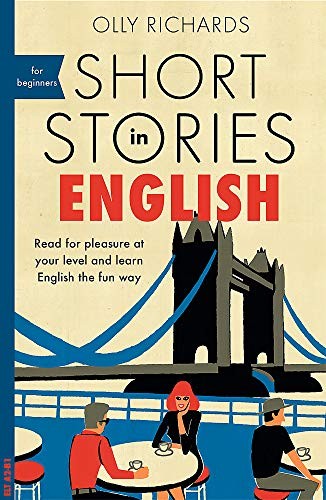
Short Stories in English for Beginners
- Series
- Teach Yourself Foreign Language Graded Reader
This is the only title on the list written first for language learners rather than for native-speaking children or adults. Richards keeps the vocabulary close to the most frequent English words and maps the collection to roughly A2–B1. The eight stories change genre from story to story, which matters more than it sounds: if crime or science fiction bores you, you can skip ahead without abandoning the book.
The format is useful because a full novel can feel endless when every page still costs effort. A short story gives a beginning, middle, and end in one sitting. Dialogues are written to sound spoken, so the book also trains the kind of English you hear in everyday conversation. It will not replace a 'real' novel forever, and some readers find the plots thinner than literary fiction. Use it as a confidence book: finish several stories, then move to an original novel on this list.
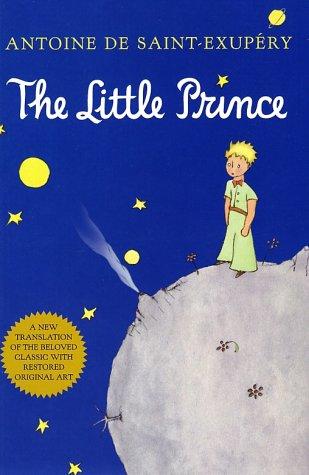
The Little Prince
This short fable is one of the books language learners name first, and for a practical reason: the chapters are brief, the sentences stay clear, and the story is already familiar in many countries. A stranded pilot meets a small traveler from another world and hears about the people and planets the child has visited. The English text is a translation from French, so editions differ. Katherine Woods made the first English version in 1943; Richard Howard's later translation is also widely sold.
Learners like the book because it looks like a children's story but talks about adult subjects in plain language: loneliness, work, love, and what people treat as important. That mix is also the limit. Some lines are poetic, and a few images need a second reading. It is still one of the shortest complete books you can carry, which makes it a strong first 'real' title after a graded reader.
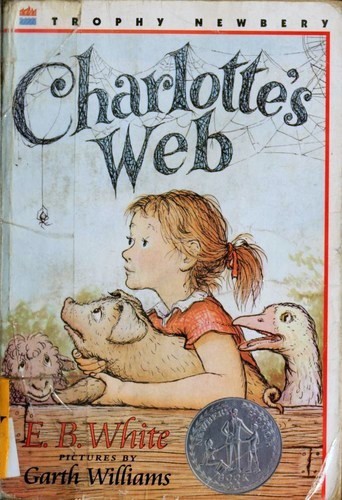
Charlotte's Web
E. B. White's farm story is a standard first novel for English learners because the language is clean and the setting stays small. A girl named Fern saves a runt pig, Wilbur, who then finds an unexpected friend in a barn spider. The plot is easy to hold in your head: seasons change, farm work continues, and the animals talk about ordinary fears and hopes.
Teachers recommend it as a bridge out of graded readers. The sentences are longer than a beginner reader, but they are rarely tangled, and Garth Williams's illustrations give extra context. Adult learners sometimes hesitate because it is a children's book. That is fair if talking animals feel too young, but the prose itself is a model of clear American English. The story deals with friendship and the farm cycle of life and death without using difficult literary style.
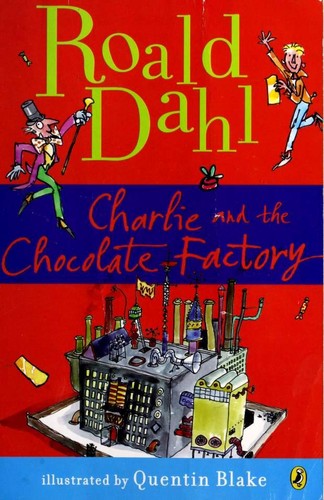
Charlie and the Chocolate Factory
- Series
- Charlie Bucket
Roald Dahl is a frequent next step after Charlotte's Web because the sentences stay lively and short while the story gets stranger. Poor Charlie Bucket finds a chance to enter Willy Wonka's closed factory with four other children. The factory tour supplies a clear structure: one room, one child, one lesson, then the next. That pattern helps learners keep going.
Dahl's comic voice is the main difference from White. He uses exaggeration, invented sweets, and sharp jokes about greedy or rude children. The language is still accessible, but it is more playful, which means some jokes depend on sound and rhythm. Film versions can help with names and setting before you read. The book is better for readers who like humor than for readers who want quiet realism. A sequel exists, but this first book stands alone.
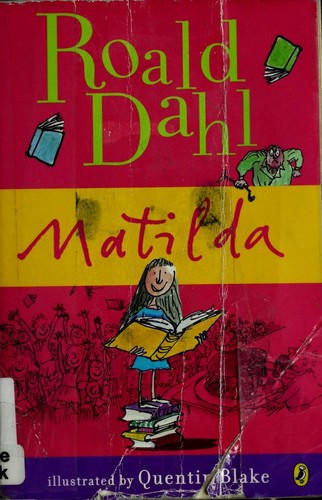
Matilda
Matilda is the Dahl novel learners often prefer if Charlie feels too much like a tour. A brilliant girl grows up with parents who ignore books and a head teacher who rules by fear. School, home, and the local library give the story a familiar map, and the chapters stay short. Dahl's sentences are still punchy, but the emotional center is a child who wants to be treated fairly.
Compared with Charlie and the Chocolate Factory, this book is less about spectacle and more about adults who misuse power. That makes the vocabulary a little more social — school rules, family arguments, library visits — which is useful English. It also means the comedy sits next to cruelty. Learners who already like Dahl will find the style consistent. Readers who want only gentle stories may find the villains too harsh, even though the book remains widely used as an easy-to-follow novel.
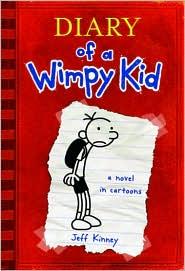
Diary of a Wimpy Kid
- Series
- Diary of a Wimpy Kid
Jeff Kinney's first Wimpy Kid book is one of the most practical easy English reads because it is not only simple; it is visually supported. Greg Heffley records a school year in diary form, with cartoons on almost every spread. The pictures explain jokes, objects, and social situations that a paragraph alone might not. For learners, that lowers the cost of every page.
The English is contemporary and informal: family talk, school slang, and the small disasters of trying to look cool. That is the book's advantage and its limit. You will learn casual American English, not formal prose. Some adult learners enjoy the humor; others find middle-school comedy too childish. If the first book works, the series is long, so you can keep reading at the same level instead of jumping to a harder novel too soon.
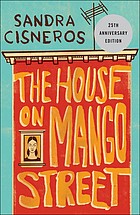
The House on Mango Street
Sandra Cisneros wrote this book as a set of short vignettes, not one long plot, which is why ESL book clubs and libraries keep recommending it. Esperanza Cordero grows up on a Chicago street and describes neighbors, family, and the wish for a house of her own. You can read one or two pieces in a few minutes and still feel you finished something.
The language is poetic in places, but the sentences are often short and concrete. That mix is different from Hemingway's plainness or Dahl's jokes. Learners get everyday American city life, bilingual texture, and a girl's point of view without a 400-page commitment. It is a better fit for teen and adult readers than for anyone expecting a children's adventure. Some vignettes touch on sexism and cramped living conditions, so the book is easy in form and not always light in subject.
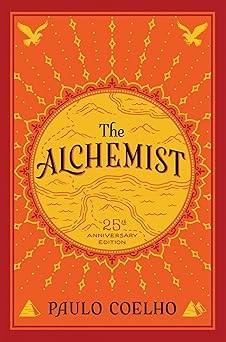
The Alchemist
Paulo Coelho's fable is popular with English learners because the English translation uses simple sentence patterns and repeats its main ideas. Santiago, a young shepherd from Spain, leaves home after a dream about treasure and follows a trail of signs across North Africa. The plot is a straight road: leave, meet guides, test your courage, keep going.
Compared with The Little Prince, this book is longer and more motivational. Some readers like the clarity; others find the lessons too direct. For language study, that directness is useful. You meet travel vocabulary, desert settings, and conversations about work and purpose without dense description. It is a good middle book on this list: harder than a graded reader, easier than most adult literary fiction. Choose it if you want an adult-facing story that still reads smoothly in translation.
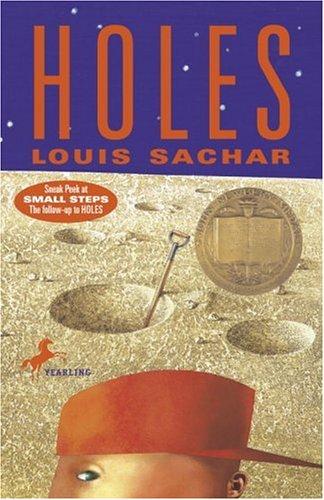
Holes
Louis Sachar's Newbery Medal novel is the easiest 'mystery-adventure' on this list because the chapters are short and the timeline is easy to track. Stanley Yelnats is sent to a boys' camp in the desert and is told to dig holes. A second family history runs beside the camp story. The two lines are clear enough that learners can follow them without a study guide.
The English is modern and conversational, closer to school speech than to classic prose. That makes Holes a useful contrast with Hemingway or Orwell later on this list. Readers on recommendation threads like it because the plot pulls them forward, which is the best vocabulary teacher there is. It is still a book about punishment, bullying, and a harsh camp, so it is not a cozy read. If you want action and puzzles rather than talking animals or fables, start here.
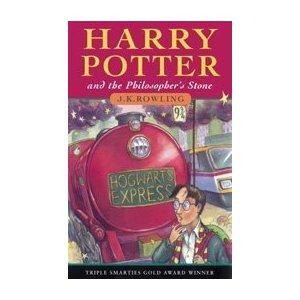
Harry Potter and the Philosopher's Stone
- Series
- Harry Potter
The first Harry Potter novel is the most requested 'easy' book among learners who already know the films. An unremarkable boy learns he is a wizard and goes to a school hidden from ordinary people. The first book is the simplest in the series: school terms give the story a calendar, and many scenes are classroom, mealtime, or friendship scenes. US editions use the title Harry Potter and the Sorcerer's Stone.
It belongs on an easy-English list with a warning attached. The opening chapters are readable for many A2–B1 learners, especially if the film has already taught the names. Invented magic words and British school details still slow some readers down. Later books in the series get longer and darker, so finishing book one is not the same as being ready for book five. Use this title if motivation matters more than the shortest possible word list.
The Old Man and the Sea
Hemingway is the adult writer language teachers mention most often when someone asks for easy English that is still literature. This short novel follows an aging Cuban fisherman, Santiago, as he goes far out to sea after a long streak of bad luck. The action is limited to boat, water, and weather. That small stage keeps the vocabulary in a tight circle: fish, hands, sky, lines, night.
The style is the lesson. Sentences are short. Details repeat. Emotion sits under the facts instead of in long explanations. ESL book-club hosts on public forums often name this title and Steinbeck together as books their adult students could finish. It is not childish, which matters to readers who rejected talking animals. It is also spare to the point of starkness. If you need jokes, pictures, or a large cast, this will feel thin. If you want to see how far plain English can go, it is the cleanest model on the list.

Animal Farm
Orwell wrote Animal Farm in the plain style of a farm tale, which is why learners can read a political satire earlier than they expect. The animals of Manor Farm throw off their human owner and try to run the place themselves. The sentences are short, the cast is easy to tell apart, and the chapters move quickly. You do not need a history degree to follow who is in charge this week.
The gap between easy language and adult meaning is the point of including it. Readers on classic-book threads call Orwell 'simple on the page, heavy in the idea.' That is accurate. The book is shorter than most school novels and far less ornate than nineteenth-century fiction. It will not teach casual conversation the way Wimpy Kid does. It will teach how English can stay clear while describing power, slogans, and group pressure. Choose it when you want a grown-up book that still respects a limited vocabulary.
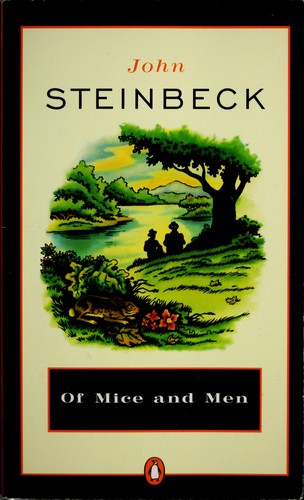
Of Mice and Men
Steinbeck's novella is the last book on this list because it is short and spoken, not because it is cheerful. George and Lennie, two migrant workers, travel together through California ranch country and talk about a small piece of land they hope to own. Much of the book is dialogue. For English learners, that is a gift: you hear how characters interrupt, repeat themselves, and use plain words under stress.
Teachers and former ESL-club hosts keep pairing it with The Old Man and the Sea. Both are brief. Both avoid decorative writing. Steinbeck's talk is more colloquial and more social. The book is also a limit case for 'easy.' Period American speech includes slurs and harsh ranch humor, and the story turns tragic. If your goal is only comfort reading, stop at Charlotte's Web or Wimpy Kid. If your goal is to finish a respected American novella written in everyday speech, this is the strongest short option.
How to choose among these 13 books
If you are still looking up many words on a page, start with Olly Richards, then The Little Prince or Diary of a Wimpy Kid. The first controls the vocabulary. The second is short. The third explains itself with pictures. Children's novels by White and Dahl come next: they are original English, but the plots stay visible.
If you already understand everyday English and feel bored by school stories, jump to The House on Mango Street, The Alchemist, or Holes. Save Hemingway, Orwell, and Steinbeck for when you want adult themes in short books. Harry Potter is the motivation pick, not the shortest pick. One working rule from learner communities is useful here: read a book you can finish. A finished easy book teaches more than an abandoned famous one.
Frequently asked questions
What English level do I need for these books?
The Richards collection is aimed at about A2–B1. Picture-supported or very short titles such as Diary of a Wimpy Kid and The Little Prince also work at that range. Charlotte's Web, the Dahl novels, Holes, and the first Harry Potter book are a better fit once you can read a simple chapter with only occasional dictionary checks. Animal Farm, The Old Man and the Sea, and Of Mice and Men use simpler sentences than many classics, but the subjects are adult, so they suit B1 and up.
Is it useful for adults to read children's books in English?
Yes, if the goal is fluency rather than status. Adult learners on language forums often start with children's or young-adult novels because the grammar is clearer and the chapters are shorter. The tradeoff is tone. If talking animals or middle-school comedy annoy you, use the short adult books on this list instead of forcing a children's classic.
Should I read a graded reader or a real novel first?
A graded reader is the safer first step if authentic books still feel packed with unknown words. Once you can finish a graded story without stopping on every line, move to an original short novel. Many teachers describe Dahl, E. B. White, Hemingway, and Orwell as the bridge: not written for exams, but still readable.
Do I need the British or American edition?
For most titles it does not matter. The main exception is Harry Potter, sold as Philosopher's Stone in the UK and Sorcerer's Stone in the US, with small wording changes. Diary of a Wimpy Kid and The House on Mango Street use American English. Dahl and Richards are widely sold in both markets. Pick the spelling system you are studying and stay consistent.
How should I read so I actually finish the book?
Read for the story first. Look up only words that block the meaning of a sentence. Audiobook-and-print together helps with names and rhythm, especially for Richards, Dahl, and Rowling. Set a small target, such as one short chapter a day. Learners who try to understand every idiom in the first English novel are the ones who stop.
These 13 easy English books to read are useful because they are finishable. Start where the sentences already make sense, then step up to short adult prose when you want more serious material. The best next book is the one you will still be reading next week.