This article contains affiliate links. We may earn a commission if you buy through them, at no extra cost to you.
Turning 30 does not require a finished self. It does reward a few books that interrupt lazy stories about work, money, love, and who you think you have to become. The lists people share online usually split in two: practical titles about habits and careers, and novels that stay with readers long after a syllabus ends.
This article keeps both. The fifteen titles below show up again and again in magazine lists, publisher roundups, and reader threads about the twenties. They are not a personality test and they are not equally useful for every reader. They are a working shelf for a decade when choices start to compound.
Why these books keep coming up before 30
The twenties are a messy overlap of first jobs, first serious relationships, first real money decisions, and first confrontations with how uneven the world is. Readers looking for books to read before 30 are usually not hunting for a canon. They want language for problems they already feel: drifting at work, repeating the same relationship pattern, mistaking busyness for progress, or realizing they have never examined the ideas they inherited.
Community discussions tend to praise short, reusable books such as Meditations and Siddhartha, then argue about whether self-help belongs on the same list as Steinbeck or Orwell. The complaint is consistent: lists that are only productivity manuals feel thin, and lists that are only classics can ignore the practical questions of rent, career, and attachment. A useful pre-30 list has to hold both kinds of pressure.
15 books to read before 30
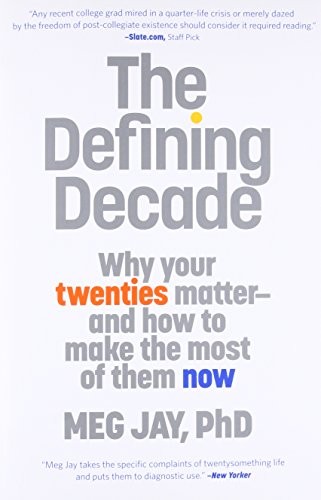
The Defining Decade: Why Your Twenties Matter–And How to Make the Most of Them Now
Meg Jay’s book exists because the phrase “thirty is the new twenty” became a permission slip. Jay, a clinical psychologist who works with twentysomethings, argues that identity, career capital, and relationship patterns take shape faster in this decade than many people want to admit. The revised edition adds research on phones, dating apps, fertility, and friendship that the original 2012 text could not have covered.
What makes the book belong on a before-30 list is not pep talk. Jay is blunt about weak ties, identity capital, and the cost of treating the twenties as a waiting room. Readers who already feel behind may find the tone urgent rather than gentle. Readers who want a manifesto against hustle culture will bounce off it. Used carefully, it is less a life plan than a set of questions you can ask while there is still time to change the answers.
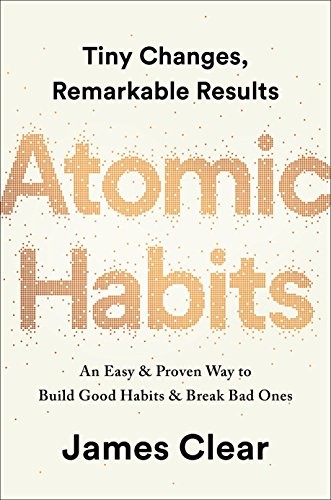
Atomic Habits
James Clear’s 2018 book became a default recommendation for people who want change without a personality overhaul. The argument is simple and easy to misuse: small behaviors compound, systems beat goals, and identity follows repetition. Clear writes in clean, example-heavy chapters that travel well from gyms to inboxes.
On a list of books to read before 30, Atomic Habits earns its place because the twenties are when unexamined routines harden. Readers in Reddit threads often mention it as the book they wish they had used before bad work or phone habits settled. The limitation is real. The book can flatten structural problems into personal optimization, and it will not tell you which life is worth building. Treat it as a toolkit, not a worldview, and it remains one of the more usable nonfiction titles of the last decade.
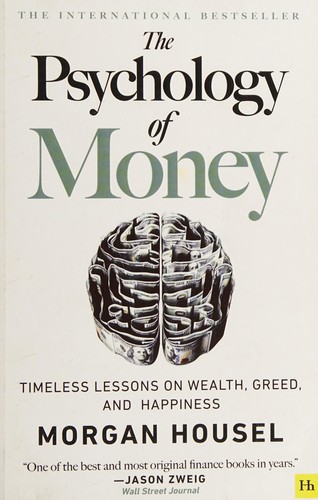
The Psychology of Money
Morgan Housel’s 2020 collection of essays treats money as behavior, not arithmetic. The nineteen short chapters cover luck, compounding, savings rate, and the difference between being rich and looking rich. Housel writes like a storyteller who happens to know finance, which is why the book reaches people who bounce off traditional personal-finance manuals.
Before 30 is a useful window for this one because early earning years set the emotional script around risk and status. Community lists for the twenties mention it next to career books, not as a replacement for a budget spreadsheet but as a way to stop copying other people’s financial personalities. It will not teach you tax law or index-fund mechanics in detail. It will make it harder to confuse a high salary with a durable life.
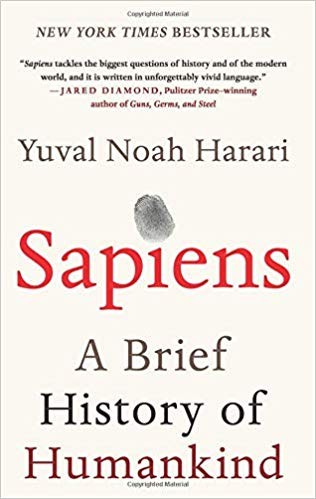
Sapiens: A Brief History of Humankind
First published in Hebrew in 2011 and widely read in English from 2014, Sapiens is a sweep through human history from the Cognitive Revolution to the modern economy. Harari’s gift is compression: myths, money, empire, and science become a single story about cooperation at scale. The U.S. Harper edition is the version most English-language readers meet.
The book belongs here because many people leave school with fragments of history and no frame for how those fragments connect. Readers in their twenties often use Sapiens as a first big-picture book after campus reading lists. Specialists have challenged its shortcuts, and that criticism is fair. Read it as a provocative map, not as a substitute for deeper history, and it still does what this keyword asks: it widens the field of view before professional life narrows it.
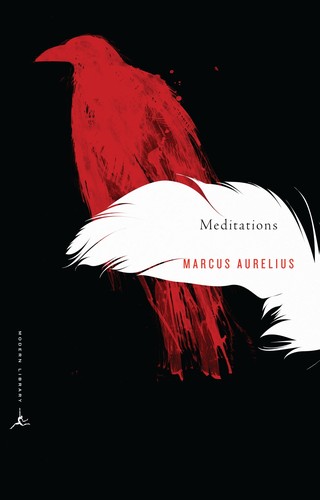
Meditations
Meditations is a Roman emperor’s private notebook, not a polished treatise. Marcus Aurelius wrote reminders to himself about attention, duty, anger, and death while running an empire. Gregory Hays’s Modern Library translation is one of the most readable English versions and the edition many contemporary readers start with.
People recommend it before 30 because it is short, reusable, and hostile to self-pity. Reddit threads about books for the twenties mention it beside career titles, usually as a counterweight: a way to stay steady when plans collapse. It is not self-help in the modern sense and it will not resolve a bad job or a bad lease. What it offers is a practiced voice for days when control is limited and character is not.
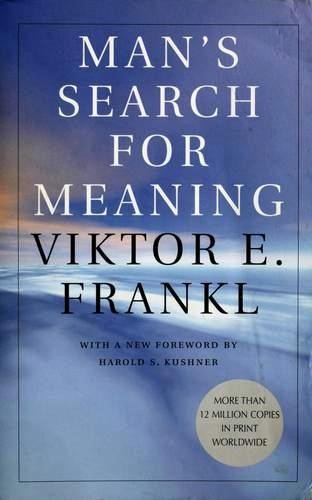
Man's Search for Meaning
Viktor Frankl’s 1946 book combines a Holocaust memoir with an introduction to logotherapy, his argument that people can endure a great deal if they can find a reason to. The Beacon Press edition remains the standard English-language starting point. Frankl writes as a psychiatrist who lived through camps including Auschwitz and then treated patients who were not facing that extremity but still felt emptied out.
The book appears on almost every serious “read this while you are young” list because it refuses both cheap optimism and despair. It is not a career manual and it is not gentle. Readers should know they are entering a record of mass murder and deprivation. For a person building a life in their twenties, the useful pressure is narrower: meaning is not a mood, and suffering does not automatically confer wisdom. Frankl is asking what you will serve when comfort is not available.
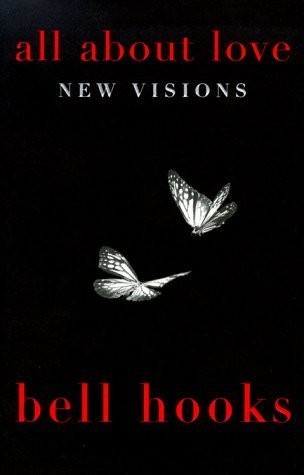
All About Love: New Visions
- Series
- Love Song to the Nation
Published in 2000, All About Love is the first book in hooks’s Love Song to the Nation trilogy. The cultural critic treats love as a practice of care, honesty, and responsibility rather than a feeling that arrives fully formed. William Morrow’s paperback is the edition most readers still buy.
Magazine lists aimed at people under 30 keep returning to this book because the twenties are when many people notice that romance scripts are thin. hooks writes about family, work, spirituality, and community without collapsing love into dating advice. Some readers find the chapters uneven or more exhortative than analytical. Even so, it remains one of the few widely circulated books that asks younger adults to define love before they keep inheriting a broken version of it.
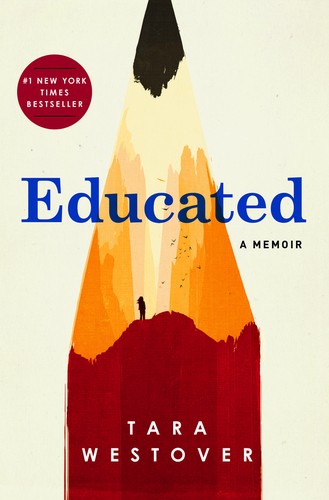
Educated
Tara Westover’s 2018 memoir follows a girl raised in an isolated Idaho family who enters a classroom at seventeen and later studies at Cambridge. Random House published the book to wide acclaim; the trade paperback ISBN above is the common reading edition. Westover writes as a historian reconstructing a childhood that official records barely touched.
The memoir fits this list because so many people in their twenties are negotiating the gap between the family they came from and the life they are trying to build. Readers praise its clarity and argue about memory, loyalty, and how much a person owes a household that harmed them. It is not a gentle education story. The book includes family violence and medical neglect, and it should be read with that in mind. Its value before 30 is the hard question it leaves behind: what counts as knowledge when the first teachers were unreliable.
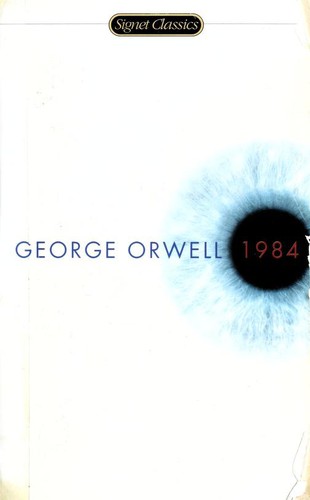
1984
George Orwell published Nineteen Eighty-Four in 1949. The Signet Classics edition remains one of the most circulated English paperbacks. The novel follows Winston Smith inside a state that polices language, memory, and private life. Its vocabulary has leaked into ordinary speech, which can make first-time readers think they already know the book.
They usually do not. Reading it before 30 still matters because political language gets sloppy early, and Orwell is a specialist in that sloppiness. Daniel Pink’s recent before-30 list included Animal Farm from the same author for related reasons: these books train suspicion toward slogans. 1984 is bleaker and more intimate. It includes torture and sexual surveillance. The point is not to collect dystopian tropes. The point is to notice how a culture teaches people to distrust their own senses.
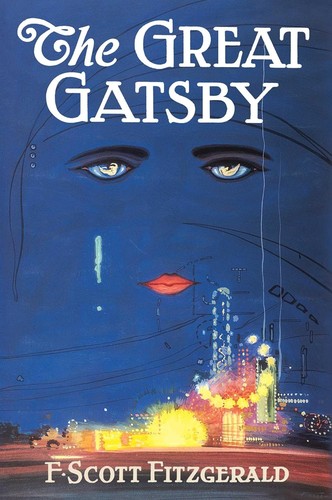
The Great Gatsby
F. Scott Fitzgerald’s 1925 novel is short, glittering, and easy to underestimate because it is assigned so often. The authorized Scribner paperback includes Fitzgerald’s later revisions and is a reliable text for new readers. Nick Carraway watches Jay Gatsby try to recover a lost love through money, performance, and sheer will.
Before 30, Gatsby is less a romance than a warning about image. The book is useful in a decade obsessed with display: parties, status, the belief that the past can be bought back. Some readers find the characters thin; that thinness is part of the design. Compared with East of Eden later on this list, Gatsby is compressed and cool. It will not teach you how to live. It will make certain kinds of ambition look expensive in ways a motivational book never would.

Pride and Prejudice
Jane Austen published Pride and Prejudice in 1813. The Penguin Classics text edited by Vivien Jones is a standard annotated paperback. Elizabeth Bennet and Fitzwilliam Darcy begin in mutual misjudgment and have to revise themselves in public, under the pressure of family, class, and money.
The novel keeps landing on before-30 lists because it is funny, socially precise, and unusually clear about how first impressions harden. Readers who come to it from film adaptations are often surprised by how much of the book is economics dressed as manners. It is not a modern relationship guide, and treating it as one flattens Austen’s satire. Read before 30, it is a lesson in paying attention: to pride, to gossip, and to the difference between charm and character.
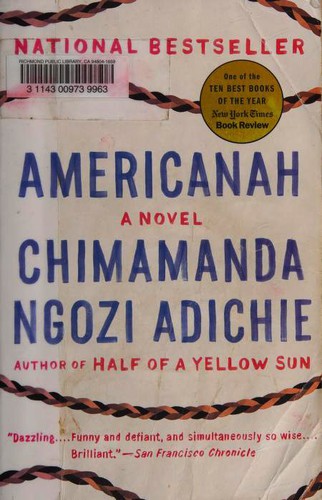
Americanah
Chimamanda Ngozi Adichie published Americanah in 2013. The Anchor paperback is the widely available U.S. edition. Ifemelu leaves Nigeria for the United States; Obinze takes another route through Britain. Years later they meet again in a changed Lagos. The novel is a love story and a migration story at the same time.
It belongs on this list because so many people spend their twenties becoming someone in a country, industry, or social class that did not raise them. Adichie is sharp on race, blogs, hair, accent, and the small humiliations of starting over. Vogue and other before-30 roundups keep recommending her work for that reason. Readers looking for a plot-only romance may find the essayistic passages demanding. That demand is the point: identity here is not a branding exercise.
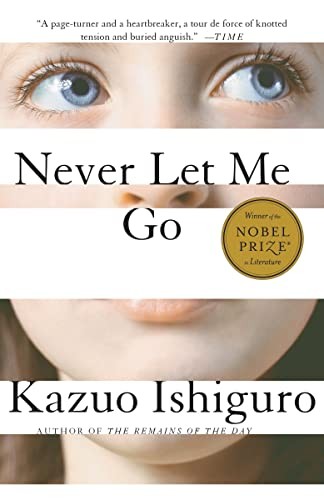
Never Let Me Go
Kazuo Ishiguro’s 2005 novel is often filed as science fiction, though it reads like a quiet boarding-school memoir. Kathy H. looks back on her years at Hailsham with Ruth and Tommy. The Vintage International paperback is the standard U.S. edition. Ishiguro withholds explanation and lets ordinary details do the work.
Readers recommending books before 30 mention it because it is a novel about limited time, friendship, and the stories institutions tell the people they use. It is not an adventure and it is not comforting. The speculative premise involves medical exploitation and death; there is also some sexual content. Compared with 1984, the control here is softer and more intimate. That is why it lands so hard in a decade when people first notice how much of a life can be organized without their consent.
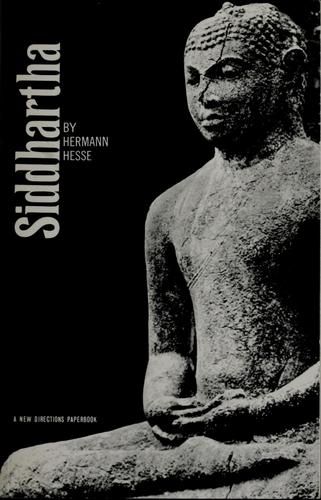
Siddhartha
Hermann Hesse published Siddhartha in German in 1922; New Directions issued Hilda Rosner’s English translation in 1951. The New Directions paperback remains a common starting text. The novel follows a young Brahmin who leaves home and tests teachers, pleasure, business, and solitude on his own terms. It is not a biography of the Buddha, though the Buddha appears.
Reddit threads about books to read in the twenties mention Siddhartha with unusual consistency, usually because it is short and rereadable. People who disliked it often call it thin or overly neat. Both reactions make sense. Hesse is writing a parable, not a realistic social novel. Before 30, the useful tension is between borrowed wisdom and lived experience. The book will not replace a tradition or a therapist. It will ask whether you are collecting ideas or testing them.
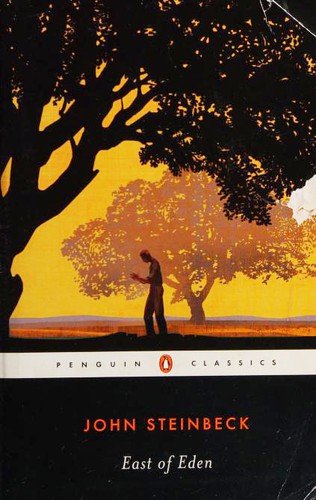
East of Eden
John Steinbeck published East of Eden in 1952 and later called it the book he had been preparing to write. The Penguin Twentieth-Century Classics paperback is a standard annotated edition. In California’s Salinas Valley, the Trasks and Hamiltons replay versions of Cain and Abel across generations. The novel is long, plainspoken, and interested in whether a person can choose against inheritance.
On Reddit threads asking for one book before 30, this title appears with striking frequency. Readers talk about it as the novel that made them take fiction seriously. It is also demanding: family violence, sexual content, and moral brutality run through it. Compared with Gatsby, it is wider and warmer. Compared with Defining Decade, it offers no plan, only a stubborn argument about agency. That argument is why it closes this list.
How to choose among these 15 books
If the problem is drift, start with The Defining Decade or Atomic Habits. If the problem is money anxiety, start with The Psychology of Money. If the problem is a thin definition of love, start with All About Love or Pride and Prejudice. If you want one novel with weight, East of Eden and Americanah give more life on the page than a stack of advice books.
You do not need all fifteen before a birthday. The more useful move is to pair one practical book with one work of fiction so the decade does not shrink into optimization. Skip anything that feels like homework you will resent. A book that stays unread on a before-30 list is just another form of delay.
Frequently asked questions
Do these books actually need to be read before 30?
No. The age is a prompt, not a deadline. The twenties are simply when many readers first face work, money, partnership, and inherited beliefs at the same time. The same titles remain useful later; they just meet a different set of constraints.
What if I only have time for one book from this list?
Choose by the problem in front of you. Meg Jay is the closest match to the keyword itself. Steinbeck or Adichie will do more for a reader who already has enough advice. Marcus Aurelius is the shortest book you can keep rereading.
Are most “books to read before 30” just self-help?
A lot of web lists lean that way because habits, careers, and money are searchable problems. Reader threads push back with novels and memoirs. This list keeps both on purpose so the practical titles do not crowd out books that change how you see other people.
Should I read the fiction or the nonfiction first?
Nonfiction is easier to apply immediately. Fiction is better at catching motives you would rather not name. A workable pattern is one short nonfiction title, then one novel, rather than finishing every productivity book first.
What do readers complain about on these lists?
Common complaints include preachy self-help, the same five classics recycled without context, and the implication that missing a title means you wasted your twenties. Several of the books above, especially Sapiens, The Alchemist-style fables, and big memoirs, also attract arguments about simplicity or reliability. That disagreement is useful. It means you should read critically, not dutifully.
A good reading list for the years before 30 should leave you with better questions about work, money, love, and power, not a feeling that you have completed adulthood. Pick two or three of these books this year. Let them argue with each other. Then keep the ones that still feel true when the birthday has passed.
Sources and further reading
- Hachette Book Group
- Penguin Random House
- Harriman House / retailer records
- Harper / Harvard Book Store listing
- Modern Library / Amazon catalog
- Beacon Press / Penguin Random House
- William Morrow listing
- Random House
- Signet Classics retailer record
- Scribner authorized edition listing
- Penguin Classics / Google Books
- Penguin Random House
- Vintage / Powell's archival record
- New Directions / AbeBooks record
- Penguin Classics
- ELLE Australia
- Vogue
- Daniel Pink
- r/suggestmeabook
- r/booksuggestions