This article may contain affiliate links. If you buy a book through those links, we may earn a small commission at no extra cost to you.
People search for 17 English books to read when they want a finite list, not another hundred-title canon. The phrase usually means novels originally written in English that are still worth the hours: books that shaped later writers, stay in print, and keep showing up in classrooms, book clubs, and reader threads.
This list mixes widely taught British and American novels with later English-language work from Nigeria, Canada, and Britain. The titles are not ranked. They differ in length, difficulty, and mood so a first-time reader of English literature can start with a short book instead of a Victorian brick.
What “English books to read” usually means
Searchers are rarely asking only for books set in England. They want novels written in English that repay close reading: clear enough to follow, rich enough to discuss. Language-learning blogs often recommend the shorter titles here, while literature lists lean on Austen, the Brontës, Dickens, and Morrison.
A useful list has to admit trade-offs. Some of these books use nineteenth-century sentence patterns. Others use racial slurs, colonial violence, or sexual coercion as part of their subject. None of the seventeen is a complete education in English-language fiction. Together they cover courtship comedy, Gothic invention, social realism, satire, and late-century experiment.
17 English books to read

Pride and Prejudice
Austen’s 1813 novel follows Elizabeth Bennet, a sharp observer in a household of five sisters whose future depends on marriage, money, and reputation. The plot turns on first impressions, family embarrassment, and the gap between what people say in company and what they do in private. It belongs on this list because it remains the most approachable entry point to the English novel of manners.
The sentences look polite until they cut. Readers who come for the romance usually stay for the social comedy: stingy entailments, noisy relatives, and the way status masquerades as character. The book is shorter and funnier than many later “classics,” which is why language learners and rereaders both return to it. It will frustrate anyone who wants plot incident on every page or a portrait of working-class life.
Jane Eyre
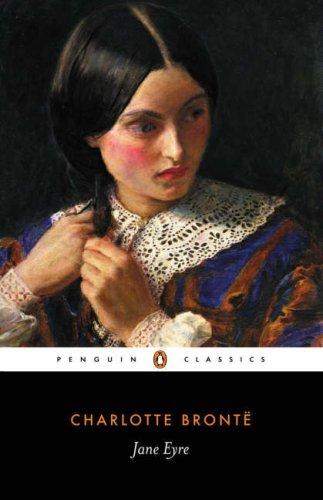
Published in 1847, Jane Eyre is the first-person account of an orphan who survives a harsh childhood, takes work as a governess, and refuses to treat dependence as her natural condition. The novel mixes Gothic atmosphere with a plain moral argument: a woman with no fortune still claims a self. That combination keeps it on English reading lists more than a century and a half later.
Compared with Austen, Brontë is hotter and more inward. The book’s appeal is Jane’s voice—direct, angry, and hungry for a life that is both ethical and passionate. Readers who dislike coincidence or melodramatic household secrets may stall in the middle. Those who want a heroine who talks back to power usually finish it in a rush.
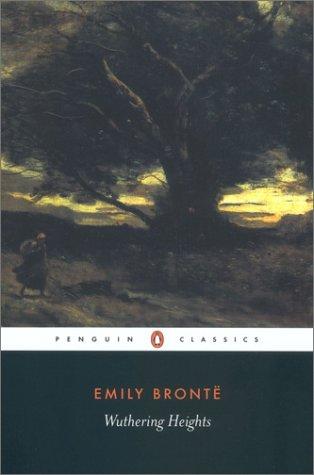
Wuthering Heights
Emily Brontë’s only novel, published in 1847, is framed by an outsider who takes shelter at a grim Yorkshire house and hears the history of two families bound by love, class injury, and revenge. It is the wild counterpart to Jane Eyre: same year, same region, far less interest in respectability. The book stays on English-literature lists because it refuses to make passion look safe.
Readers expecting a soft period romance often feel misled. The narration is nested, the weather is a character, and sympathy is hard to place. That difficulty is the point. If Pride and Prejudice rewards social intelligence, Wuthering Heights rewards a tolerance for obsession and structural oddity. It is a poor first Austen substitute and a strong choice for anyone who wants the English novel at full voltage.
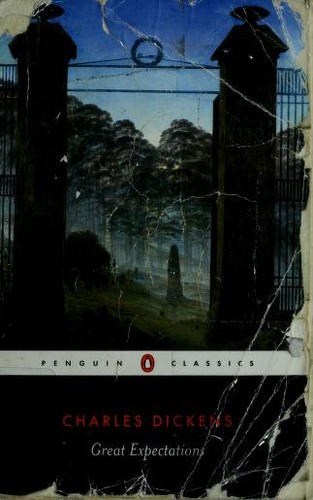
Great Expectations
Dickens’s 1861 novel follows Pip, a village boy whose life is rerouted by a convict on the marshes, a decaying house, and the promise of becoming a gentleman. It is the most shapely of his long books and the one most often recommended when readers want Dickens without the full serial sprawl of Bleak House. Ambition, snobbery, and gratitude do the narrative work.
The prose is more controlled than early Dickens, but the cast is still large and theatrical. That is a feature for readers who like set pieces and a limitation for those who want quiet realism. Among the seventeen, this is the book that best shows how English fiction handles class mobility: not as a montage of success, but as a series of debts Pip does not yet understand.

Frankenstein
Mary Shelley’s 1818 novel is a nest of testimonies: an explorer’s letters, a scientist’s confession, and the account of the being he makes and abandons. It belongs here because it is an English-language origin point for modern horror and for fiction about scientific overreach. The creature is eloquent. The horror is loneliness as much as spectacle.
Readers who know only film versions meet a colder, more argumentative book. The Arctic frame and the philosophical speeches slow the pace. That makes Frankenstein less of a jump-scare novel and more of a debate about responsibility. It is a strong pick for readers who like ideas inside an adventure, and a weak pick for anyone seeking a short, linear monster story.
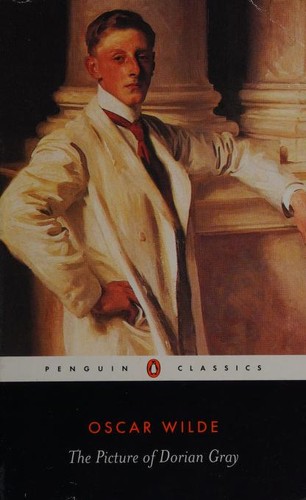
The Picture of Dorian Gray
Wilde’s only novel, published in book form in 1891 after a magazine appearance in 1890, follows a beautiful young man whose portrait becomes the ledger of his life while he remains unmarked. It is the shortest major decadent novel in English and a useful bridge between Victorian moral fiction and modern celebrity culture. Wit does the seduction; consequence does the structure.
The book is easier than late James and flashier than Hardy. Readers come for the aphorisms and stay, or leave, according to their patience with aesthetic debate. It belongs on a list of English books to read because it shows what the language can do when style itself is the subject. Anyone wanting a thick social canvas should choose Dickens instead.
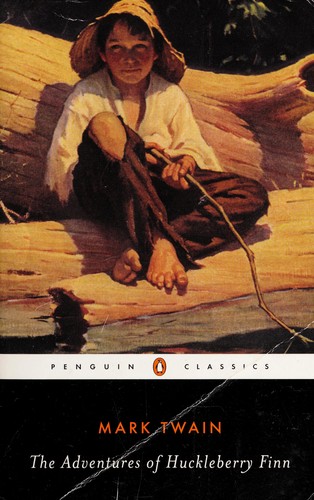
Adventures of Huckleberry Finn
Twain’s 1884 novel sends Huck Finn down the Mississippi with Jim, a man fleeing enslavement. The book is a cornerstone of American English prose: spoken rhythms, local voices, and a child’s moral education against the grain of the adults around him. It is here because any serious list of English-language novels has to include the book that later writers kept answering.
The comedy is real and so is the problem of the text. Twain reproduces racist language and stereotypes even as he builds a story about cruelty and conscience. That makes the novel essential and unfinished as a reading experience. It is not a gentle adventure for children, despite its reputation, and it reads differently if taken after, not before, later African American novels on this list.
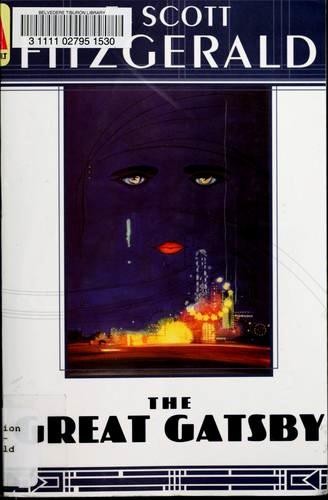
The Great Gatsby
Fitzgerald’s 1925 novel is narrated by Nick Carraway, who rents a house next to a man famous for his parties and defined by a single, stubborn hope. At just over 50,000 words, it is one of the shortest books on this list and one of the most taught. The sentences are polished; the social world is not.
It earns its place among English books to read because it shows how American English can be both lyrical and cold. Readers who want interior psychology may find the characters held at a glittering distance. Readers who care about money, illusion, and the cost of reinvention usually understand why the book survives every backlash against its syllabus status. It is a better weekend read than Middlemarch and a thinner social novel than either Dickens or Morrison.
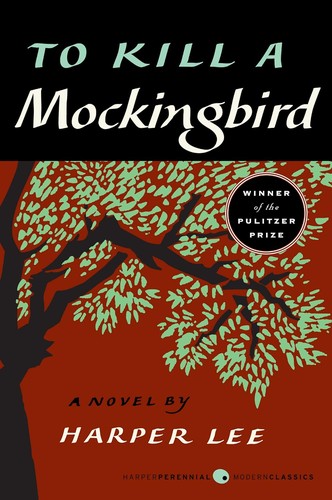
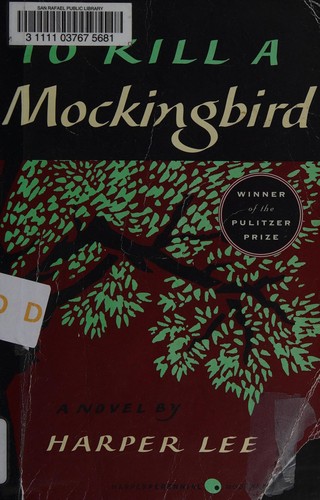
To Kill a Mockingbird
Lee’s 1960 novel is told by Scout Finch, who watches her small Alabama town and her father, a lawyer, during a crisis that the adults would rather treat as local weather. It won the Pulitzer Prize and later topped PBS’s Great American Read. The book stays on lists of English books to read because it is readable, morally framed, and still used as a first serious novel for many students.
The limitation is the same as the appeal: a white child’s vantage on racist violence. Some readers now prefer to pair it with books that center Black interior life. As a piece of English prose, it is warm, comic, and carefully paced. It is easier than Beloved and less allegorical than Animal Farm, which makes it a practical middle of this list.
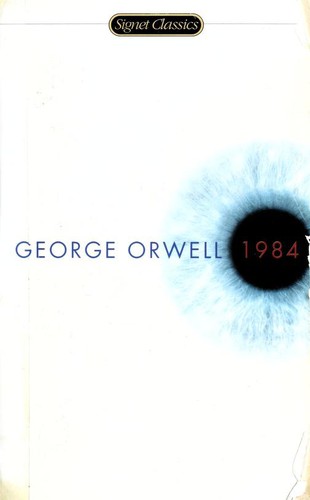
Nineteen Eighty-Four
Orwell’s 1949 novel follows Winston Smith, a minor worker in a one-party state that polices memory as tightly as it polices speech. The book gave English its everyday words for surveillance and official lying. That is why it appears on nearly every list of English books to read, including lists aimed at learners who can handle intermediate prose.
The style is plain on purpose. The difficulty is emotional and conceptual, not ornamental. Compared with Animal Farm, this is the longer, bleaker sibling: less fable, more office dread. Readers who want hope as a structural promise should choose a different title. Readers who want to see how political English can stay concrete should start here.

Animal Farm
Orwell’s 1945 fable is the shortest major political novel in modern English. Farm animals overthrow their owner and try to run the place on slogans of equality. The prose is simple enough that language teachers assign it early; the argument is sharp enough that it still circulates outside classrooms.
It is on this list as the practical twin of Nineteen Eighty-Four. If the longer book shows the machinery of a finished tyranny, this one shows how a revolution talks itself into a new hierarchy. Readers who dislike allegory may find it thin. Readers who want one English book that can be finished in an evening and discussed for years usually start here.
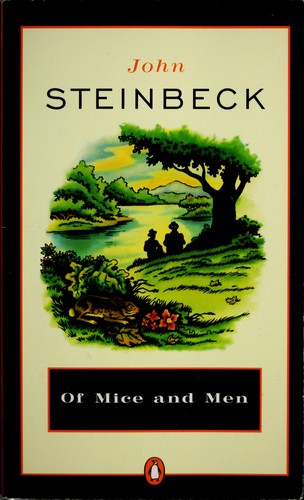
Of Mice and Men
Steinbeck’s 1937 novella follows two migrant workers, George and Lennie, as they move from job to job in California with a shared plan for a small piece of land. It is brief, spoken, and built like a play. That compactness is why it remains a standard English-class text and a good counterpart to the longer social novels on this list.
The language is plainer than Fitzgerald and less ironic than Austen. Friendship, work, and the fragility of a private dream do the emotional lifting. Readers sometimes underestimate it because of its length. The book is small only in page count; the ending is designed to stay. It is a strong choice for readers who want American English at working speed.
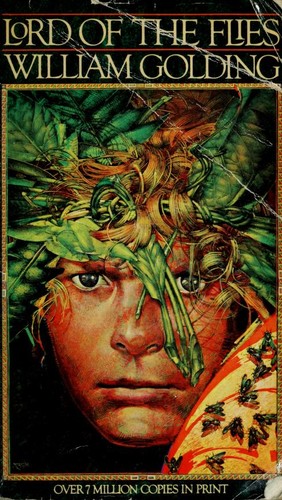
Lord of the Flies
Golding’s 1954 novel strands a group of British schoolboys on an island after an evacuation flight. What begins as an adventure story becomes a study of order, fear, and the speed with which a peer group invents enemies. It has been a secondary-school staple in the English-speaking world for decades, which is both a reason to read it and a reason to read it skeptically.
The book is shorter than the Victorian titles and more schematic than Lee or Steinbeck. Some adult readers find the allegory heavy. It still belongs among English books to read because it shows mid-century British fiction turning the imperial adventure tale inside out. Pair it with a later novel if you want a less boys’-school vision of society.

Things Fall Apart
Achebe’s 1958 novel, the first book of his African Trilogy, is set in an Igbo community in what became colonial Nigeria. Its protagonist, Okonkwo, is a champion wrestler and a man at war with weakness—his father’s, his community’s, and his own. The novel was written in English to answer English-language stories that treated African societies as backdrop. That is why it belongs on this list.
The prose is measured and proverb-rich rather than ornate. Readers used to European drawing rooms will meet a different social grammar: kinship, ritual, masculine honor, and the arrival of missionaries and colonial officers. It is shorter than the Victorian doorstops and more historically specific than the island allegory of Lord of the Flies. The later books in the trilogy continue the story; this one stands alone.
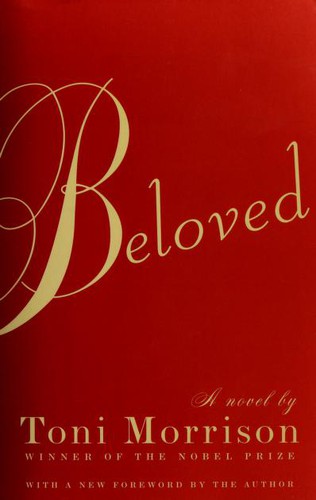
Beloved
Morrison’s 1987 novel, later awarded the Pulitzer Prize, is set after the American Civil War and follows Sethe, a woman whose house in Ohio is crowded with memory. The book treats the afterlife of slavery as a force that does not stay in the past. Guardian and other canon surveys regularly place it among the major novels published in English.
The style is denser than most titles here. Time folds; voices overlap; the reader has to accept lyric logic. That is the main reader-fit warning. Beloved is not the book to start with if you want transparent plot first. It is the book to read when you want American English used at full artistic pressure, and when a list of English books would otherwise stop at the usual mid-century school titles.
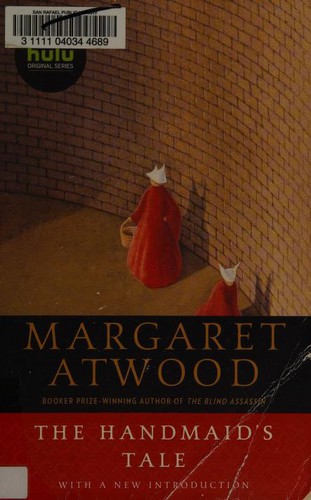
The Handmaid's Tale
Atwood’s 1985 novel is narrated by Offred, a woman forced into reproductive servitude in a theocratic regime built on the ruins of the United States. It is Canadian by authorship and English-language by tradition, and it has become one of the most widely discussed dystopias after Orwell. The prose is exact, often dry, and close to the body.
Unlike Nineteen Eighty-Four, the book filters politics through domestic detail: shopping tokens, household ranks, stolen memories of a former life. Readers who know only the television series will find a quieter, more interior novel. It belongs on this list because it shows late-twentieth-century English fiction absorbing the dystopian toolkit and turning it toward gender and the state. It is not subtle about threat; it is subtle about voice.
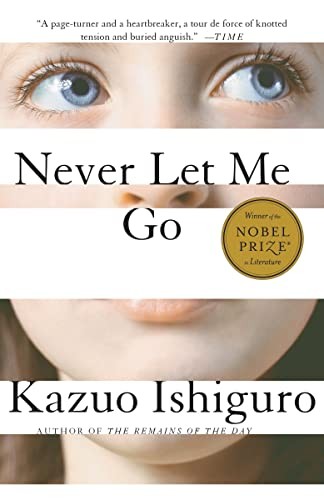
Never Let Me Go
Ishiguro’s 2005 novel is narrated by Kathy H., who looks back on a sealed English boarding school and the adult work that followed it. The sentences are polite, almost evasive. The unease arrives late and does not announce itself as science fiction at first. That controlled voice is why the book is a useful last stop on a list of English books to read: it shows what contemporary literary English can do with understatement.
Readers who want world-building explained up front may feel teased. Readers who like memory novels and moral aftertaste usually consider it one of Ishiguro’s essential books, alongside The Remains of the Day. Compared with Orwell and Atwood, the politics are quieter and the heartbreak is social rather than slogan-driven. It is a modern English novel in a literal sense: English setting, English reserve, global argument.
How to choose among these 17
If you want the shortest on-ramps, start with Animal Farm, Of Mice and Men, The Great Gatsby, or The Picture of Dorian Gray. If you want conversation and marriage plots, start with Pride and Prejudice, then decide whether you prefer Jane Eyre’s heat or Wuthering Heights’ storm. Dickens is the Victorian social novel in portable form; Twain and Lee are the American classroom pair, with very different ethical aftertastes.
If the goal is English as a world language rather than an island tradition, read Things Fall Apart before you stop at the usual British syllabus. Morrison and Atwood ask more of a reader than Orwell’s fable does. Ishiguro is the late, quiet test: if you can hear what Kathy does not say, you are ready for other contemporary English novels that work by omission.
Frequently asked questions
What does “English books to read” usually mean in search results?
Most listicles mean novels originally written in English, not only books from England. That includes American, Nigerian, Canadian, and other English-language fiction. Some language-learning pages also use the phrase for graded readers; this article covers complete literary novels instead.
Which of these 17 is best if English is not your first language?
Animal Farm and Of Mice and Men are the shortest and the plainest. The Great Gatsby and The Picture of Dorian Gray are short but denser in vocabulary. Pride and Prejudice is clear once you accept older social comedy. Save Beloved, Wuthering Heights, and Never Let Me Go until you are comfortable with non-linear or understated narration.
Do I need to read these books in historical order?
No. Chronology helps if you want to watch the English novel change shape, but it is a poor reading plan if it puts Clarissa-length difficulty first. A practical path is one short twentieth-century book, one Austen or Brontë, then one more demanding title such as Things Fall Apart or Beloved.
Why are some famous English novels missing?
A list of seventeen cannot hold Middlemarch, Ulysses, Moby-Dick, and Invisible Man without dropping the shorter books many readers actually finish. The titles here were chosen for verified influence, continued recommendation, and a spread of length and region. Absence is not a verdict on quality.
Are these books suitable for teenagers?
Several appear on school lists, including To Kill a Mockingbird, Lord of the Flies, Animal Farm, and Of Mice and Men. Suitability still depends on the reader. Check the content notes: racial slurs, sexual violence, and state terror are part of some of these novels, not optional extras.
Seventeen is enough to start and not enough to finish. Read the book that matches your current patience—short satire, courtship comedy, or a novel that makes English carry a history it once tried to ignore—and let the next title argue with the last.