This article may contain affiliate links. If you buy a book through those links, we may earn a commission at no extra cost to you.
Readers searching for 19 Christian books to read usually want more than a bestseller pile. They want titles that explain the faith, steady a wavering heart, or give language for prayer after the novelty of a new conversion has worn off.
This list mixes ancient texts still in print with twentieth- and twenty-first-century books that churches keep handing to new members. The nineteen titles below are not a ranked ladder and they are not a substitute for Scripture. They are companions that different generations of Christians keep recommending for good reasons.
What makes a Christian book worth your time
A Christian book earns a place on a reading list when it points back to the Bible instead of replacing it. The most durable titles usually do one of four jobs: they explain core doctrine in plain speech, they describe the inner life of prayer and obedience, they tell a costly story of faith under pressure, or they answer honest objections without sneering.
Community discussions tend to praise the same cluster of writers for different reasons. C. S. Lewis is valued for clarity with skeptics. J. I. Packer and R. C. Sproul are valued for turning doctrine into worship. Bonhoeffer and ten Boom are valued because their pages were written near real danger. Newer books such as Dane Ortlund’s stay in circulation when they recover an older pastoral note rather than invent a slogan.
Not every widely sold Christian title belongs here. Some popular devotionals and church-growth paperbacks sell well and fade. The books below have either survived centuries or have already become standard gifts in churches that still read.
19 Christian books to read
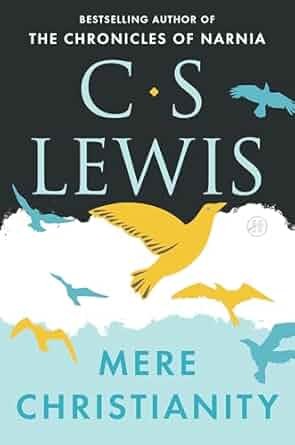
Mere Christianity
Lewis assembled this book from BBC radio talks given in wartime Britain. He set out to describe the beliefs shared by most Christians rather than the disputes that divide them, moving from moral law to the character of God and the shape of a changed life.
The argument is patient and analogical. Lewis treats unbelief as a serious position, then presses the claim that Jesus cannot be reduced to a moral teacher. Readers who grew up in church often meet here a version of the faith that can survive questions they were never allowed to ask.
The book belongs on this list because it remains the most common first recommendation for seekers and for believers who need a clean map of the basics. Its mid-century examples and a few social comments show their age. The central case for ‘mere’ Christianity does not.
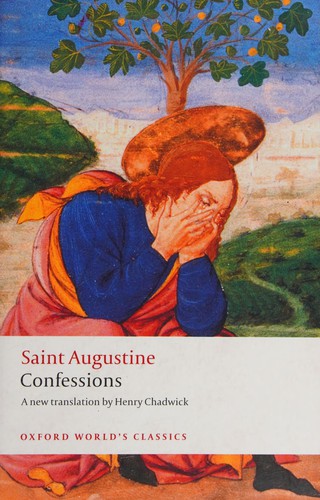
Confessions
Written around the turn of the fifth century, Confessions is part prayer, part conversion narrative, and part meditation on memory, time, and desire. Augustine addresses God directly while recounting a restless youth, a searching intellect, and a delayed turning.
This is not a modern memoir with a neat three-act arc. The later books shift into philosophy and scriptural reflection. That mix is the point: Augustine treats self-knowledge as a path toward knowing God, not as an end in itself.
It belongs here because later Christian autobiography, from Merton to countless conversion stories, still works in its shadow. Choose a complete modern translation. Henry Chadwick’s Oxford edition is widely used for accuracy and notes. Readers who want only a conversion tale may stall in the closing books; readers willing to stay with the prayer learn why the church never shelved it.
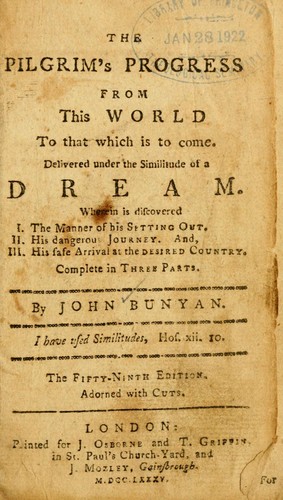
The Pilgrim's Progress
Bunyan wrote this allegory in prison in the late seventeenth century. A man named Christian leaves the City of Destruction and travels toward the Celestial City, meeting helpers and dangers that map the inner life of faith.
The story is simple enough for children in adapted editions and dense enough that adult readers keep finding their own detours in it. Burden, slough, castle, and fair are not decorations; they are names for spiritual conditions.
It belongs on a list of Christian books to read because it has never gone out of print and still functions as a primer in perseverance. The original English is beautiful and occasionally hard. A lightly modernized text or a good annotated Penguin or Oxford edition removes the needless friction without flattening the allegory.
The Imitation of Christ
This fifteenth-century devotional, long associated with the Brethren of the Common Life, offers short counsels on humility, detachment, the inner life, and communion with Christ. It reads like a spiritual notebook rather than a treatise.
The voice is spare and unsparing. Kempis has little interest in novelty. He keeps returning to self-forgetfulness, patience under contradiction, and love of Jesus over love of reputation. That repetition is the method.
It belongs here because clergy and lay readers across traditions have used it for centuries as a check on noisy religion. Modern readers sometimes find the contempt for the world too sharp. That sharpness is also why the book still cuts through a culture of platform and self-branding.
Knowing God
First published in 1973, Packer’s book argues that Christians often know about God without knowing God. He moves from the necessity of revelation to the attributes of God and then to the benefits of a lived relationship with Christ.
The prose is warm for a theologian and demanding for a devotional. Packer will not let attributes such as wrath, wisdom, and grace remain classroom words. He wants them to produce reverence and joy.
It belongs on this list because pastors and lay readers still treat it as a bridge between Sunday sermons and serious doctrine. Some find the middle chapters dense. That density is the difference between a slogan about God and a working knowledge of God.
The Cost of Discipleship
Bonhoeffer wrote this study of following Jesus while teaching in the German Confessing Church. The book is best known for contrasting cheap grace with costly grace and for a long reading of the Sermon on the Mount.
The argument is moral before it is technical. Forgiveness that never asks for obedience is not the gospel Bonhoeffer heard in the Gospels. The later chapters press that claim into concrete habits of the church.
It belongs here because ‘cheap grace’ has become a household phrase for a reason. Readers should know the book is a 1930s Lutheran work, not a modern small-group curriculum. It is also not a full biography of Bonhoeffer’s later resistance. Read it for the demand it places on discipleship, then read Life Together or a careful biography if you want the rest of the man.
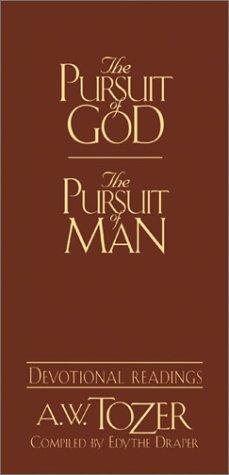
The Pursuit of God
Tozer published this short book in 1948 after years of pastoral work in the Christian and Missionary Alliance. He writes as a man impatient with a church that talks about God while remaining strangers to God’s presence.
The chapters are brief and prophetic in tone. Tozer presses self-surrender, a recovered sense of God’s holiness, and a hunger that will not settle for religious activity. He borrows from older contemplative voices without turning the book into a technique manual.
It belongs on the list because it is short enough for a slow week and searching enough to expose a crowded inner life. Some readers find the intensity overwrought. Others find in it the first book that made them want God more than they wanted a well-run spiritual routine.
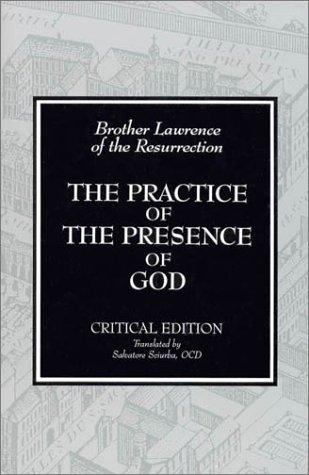
The Practice of the Presence of God
Brother Lawrence was a seventeenth-century Carmelite lay brother whose kitchen work became the setting for a simple rule: keep company with God in ordinary tasks. The book as we have it gathers conversations and letters recorded by others.
There is almost no system here. Lawrence returns to the same counsel from several angles—do the next duty for God, recall God when the mind wanders, trust mercy when attention fails. The smallness of the advice is its strength.
It belongs among Christian books to read because it translates contemplation into dishwashers, offices, and hospital corridors. Readers looking for mystical fireworks will be disappointed. Readers looking for a way to pray without leaving the day they already have usually keep it.

The Screwtape Letters
Lewis frames this 1942 book as letters from a senior devil to a junior tempter assigned to a human ‘patient.’ The joke is structural: readers watch ordinary habits of pride, distraction, and religious fuss from the wrong side of the war.
The satire is moral rather than gory. Screwtape cares less about spectacular vice than about wasted prayer, petty resentment, and the slow cooling of love. That focus is why church book clubs still use it.
It belongs here as the imaginative counterpart to Mere Christianity. Where the earlier book argues, this one diagnoses. A few wartime and mid-century social asides date the letters. The map of temptation does not. Readers who dislike inversion or diabolical personification can skip it without losing the rest of Lewis.
Celebration of Discipline
Foster’s 1978 book recovered a set of historic Christian practices for a church that had often reduced faith to belief plus activity. He groups the disciplines as inward, outward, and corporate: meditation, prayer, fasting, and study; simplicity, solitude, submission, and service; confession, worship, guidance, and celebration.
The value of the book is order. Foster does not invent techniques so much as reintroduce habits the church already owned and then explain how they form a person rather than decorate a schedule.
It belongs on this list because it remains the standard modern introduction to spiritual disciplines across many denominations. Some evangelicals distrust the contemplative sources Foster cites. Readers should treat the book as a map of practices, then test each practice against Scripture and a local church rather than against internet warnings.
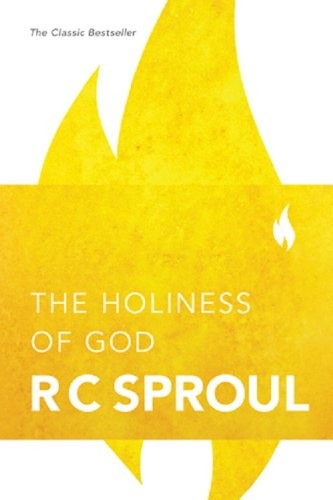
The Holiness of God
Sproul’s classic places holiness at the center of who God is and therefore at the center of worship, ethics, and the gospel. He works from biblical scenes of encounter—Isaiah, the disciples, the cross—to show why awe is not an optional mood.
The book is teaching with a preacher’s timing. Sproul wants readers to feel the ‘trauma of holiness’ before they reach for cheap comfort. Justice and love are not rivals in his account; both rise from the same holy character.
It belongs here because many Christian reading lists tilt toward consolation. Sproul supplies the missing weight. The chapters can unsettle people who have only heard of God’s kindness. That unsettling is the book’s pastoral gift, not a defect.
The Cross of Christ
Stott’s 1986 study is a careful account of why the death of Jesus stands at the center of Christian faith. He surveys biblical images of the cross, defends substitutionary atonement against common objections, and then turns to what the cross means for self-understanding, suffering, and the life of the church.
The writing is Anglican evangelical at its best: orderly, courteous, and unwilling to treat the atonement as a slogan. Stott lets rival theories have their say before he argues for the view he believes Scripture requires.
It belongs among books every Christian should read because many believers can name the cross without explaining it. This is the book pastors still hand to people who want more than a Friday sermon. It is longer and more theological than Lewis or Tozer. That is the point of including it.
Desiring God
Piper’s subtitle names the thesis: Christian hedonism. He argues from Scripture that God is most glorified in his people when they are most satisfied in him, so the pursuit of joy in God is not a luxury but obedience.
The book moves through worship, love, Scripture, prayer, money, and suffering with that single claim in hand. Piper writes as a preacher who has decided that duty language without delight produces exhausted churches.
It belongs here because it changed how a large stream of late-twentieth-century evangelicals talked about joy. Some readers dislike the slogan or the intensity. Others find it the first book that made holiness sound like gain rather than loss. Read it beside Packer or Sproul if you want the desire for God anchored in the character of God.
The Reason for God
Keller wrote this 2008 book out of years of conversation with skeptics in New York. The first half answers objections about exclusivity, suffering, injustice in the church, and the reliability of the Bible. The second half makes a positive case for belief.
The tone is pastoral rather than combative. Keller quotes critics at length and refuses the cheap win. That habit is why the book still works for readers who bounce off louder apologetics.
It belongs on a contemporary list because it is the natural next step after Mere Christianity for people living after the culture wars of the early 2000s. Some arguments assume a particular urban professional audience. The questions themselves—suffering, moral outrage, doubt—are not limited to that audience.
On the Incarnation
Athanasius wrote this short fourth-century work to explain why the Word became flesh. Against views that made the Son less than fully God, he argues that only God-with-us can restore a creation sliding toward corruption and death.
The prose, in a good translation, is surprisingly approachable. C. S. Lewis admired the book for saying deep things with classical simplicity. That combination is rare in both patristic and modern theology.
It belongs here because Christmas sermons still rest on claims Athanasius had to defend. Readers who know the creeds by memory often do not know the argument behind them. A Popular Patristics edition with a reliable introduction is the practical way in. It is brief. It is not light.

Life Together
Written after Bonhoeffer led an underground seminary, this short book describes Christian community as a gift rather than a project. Prayer, table fellowship, work, confession, and the ministry of listening sit at the center.
Where The Cost of Discipleship presses the individual call of Jesus, Life Together asks what happens when called people have to live in the same house. Bonhoeffer is frank about the difference between the community we imagine and the brothers and sisters actually given to us.
It belongs on this list because loneliness inside churches is not new, and Bonhoeffer’s diagnosis still fits. The book is brief enough for a leadership team or a household. It will disappoint readers looking for a church-growth plan. It will help readers who need to recover ordinary practices of shared life.
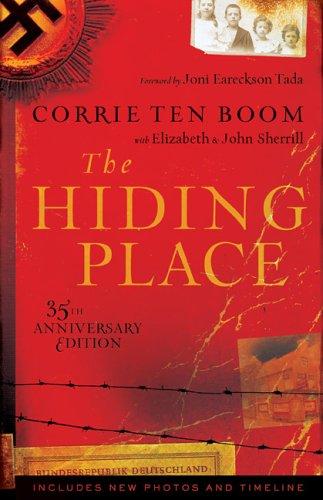
The Hiding Place
First published in 1971 with John and Elizabeth Sherrill, this memoir tells how a Dutch watchmaking family hid Jews during the Nazi occupation and paid for that obedience in prison and camp. Corrie survives to speak about forgiveness that costs something.
The book is testimony, not theory. Faith here is measured in extra ration cards, a concealed room, and later in the refusal to let hatred have the last word. The Sherrills’ narrative craft keeps the pages moving without turning suffering into spectacle.
It belongs among Christian books to read because doctrine that never meets history stays thin. Readers should know the content is heavy. This is the right title when someone asks for a Christian book that is also a true story, and the wrong title for light evening reading.
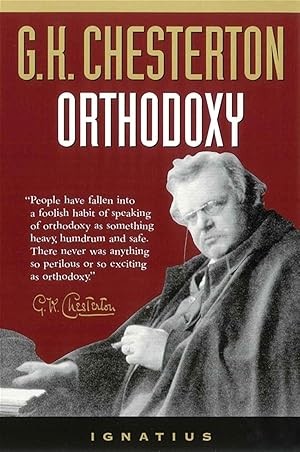
Orthodoxy
Chesterton published this 1908 book as a spiritual autobiography of ideas. He describes how he tried to invent a personal philosophy and discovered he had wandered back into the Apostles’ Creed.
The method is paradox and story rather than syllabus. Chesterton defends wonder, limits, and the romance of dogma against the thin air of fashionable skepticism. The sentences are playful on purpose.
It belongs here because it gives intellectually restless readers a different door than Lewis’s. Where Mere Christianity builds a case, Orthodoxy sings one. Some allusions are Edwardian. The central claim—that historic Christianity is not the enemy of joy or reason—still lands. Readers who dislike rhetorical flourish may prefer Packer or Keller.
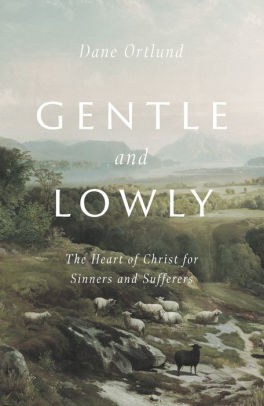
Gentle and Lowly
Ortlund’s 2020 book starts from Jesus’ words in Matthew 11 that he is gentle and lowly in heart. Drawing on Scripture and Puritan pastors such as Thomas Goodwin, he asks how Christ actually feels toward sinners and sufferers who keep failing.
The chapters are short and pastoral. Ortlund is not writing a full systematic Christology. He is correcting a picture of Jesus as reluctantly merciful. The repeated claim is that mercy is not Christ’s side job.
It belongs on a current list because churches keep giving it to the exhausted and the ashamed. Some readers worry that tenderness is overplayed against holiness. Pairing it with Sproul or Packer answers that concern without discarding the book. It is the most recent title here and already functions as a modern pastoral classic.
How to choose among these 19 books
If you are new to Christian reading, start with Mere Christianity or The Reason for God, then add The Pursuit of God or Gentle and Lowly. Those four cover belief, desire, and comfort without requiring a seminary vocabulary.
If you already believe and want formation, pair Celebration of Discipline or The Practice of the Presence of God with Knowing God or The Holiness of God. One book trains habits; the other trains the mind’s picture of God.
If you learn by story, read The Pilgrim’s Progress, The Screwtape Letters, and The Hiding Place before the heavier theology. If you want the church’s older voice, read On the Incarnation, Confessions, and The Imitation of Christ in modern translations. Do not read all nineteen at once. One slow book that changes prayer is worth a stack that only changes your shelf.
Frequently asked questions
Should I read the Bible first or these Christian books?
Scripture comes first. These nineteen titles are companions that help readers understand, pray, and obey what the Bible already says. A common pattern is daily Bible reading plus one Christian book at a time.
Which of these 19 Christian books is best for a beginner?
Mere Christianity and The Reason for God serve seekers well. The Pursuit of God, The Practice of the Presence of God, and Gentle and Lowly serve new believers who already trust Christ and need help wanting and approaching him.
Are old Christian classics too hard to read?
Some are. Confessions and The Pilgrim’s Progress reward a good modern translation or annotated edition. On the Incarnation and The Imitation of Christ are short. Difficulty is usually a translation problem or a patience problem, not a reason to ignore the books the church kept.
What is the difference between Christian living books and theology books on this list?
Christian living titles such as Celebration of Discipline and Life Together focus on practices and community. Theology titles such as Knowing God, The Holiness of God, and The Cross of Christ focus on who God is and what the cross means. The better lists include both, because practice without doctrine drifts and doctrine without practice dries out.
Do I need to read all 19 Christian books?
No. The number matches the search. A wiser plan is to read two or three from different types—one apologetic or doctrinal book, one formational book, and one story—then decide what you still lack.
These 19 Christian books to read will not replace a local church or a marked-up Bible. They will, if read slowly, give you better questions, sturdier doctrine, and a longer memory than the last viral title. Pick one that matches the need you actually have this month, and finish it.