This article may contain affiliate links. If you buy a book through one of them, we may earn a small commission at no extra cost to you.
Your twenties are when work, rent, dating and identity stop being hypothetical. Search results for 16 books to read in your 20s usually split into two camps: career manuals that treat the decade like a project plan, and novels that treat it like a mess. Both miss something if they stand alone.
This list keeps the number exact and mixes the two. It includes the psychologist most often cited for this decade, a handful of money and habit books people actually finish, memoirs that show how education and illness rearrange a life, and fiction that captures class, race, ambition and first love without a worksheet at the end.
Why these books matter in your twenties
Readers looking for books to read in their 20s are rarely hunting a canon. They want help with the first job that does not reset every semester, the first serious relationship, the first savings account, and the first stretch of time when no one is grading the experiment. Community threads keep returning to the same complaint: lists stuffed only with self-help leave people fluent in frameworks and thin on lived texture.
The titles below were chosen because they keep showing up across publisher roundups, clinician recommendations and reader discussions, then survived a fact check against official pages and library records. They do not agree with each other. Meg Jay wants you to treat the decade as consequential. Morgan Housel wants you to stop performing wealth. Sally Rooney wants you to sit with how uneven two people can be at the same age. That disagreement is the point.
16 books to read in your 20s
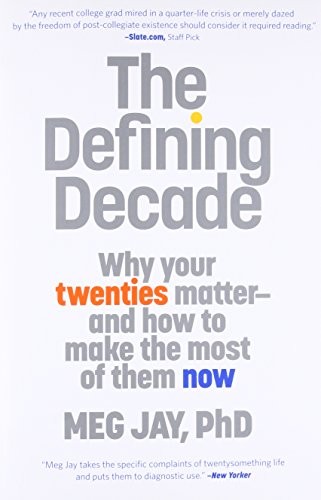
The Defining Decade: Why Your Twenties Matter–And How to Make the Most of Them Now
Meg Jay wrote the book that almost every “books for your 20s” list starts with, and for a clear reason: she treats the decade as a developmental window rather than a waiting room. Drawing on clinical work with twentysomethings, she argues that work, partners, identity and even the brain change faster here than later, which makes drifting expensive. The revised edition adds research on phones, online dating and fertility without turning the book into a panic pamphlet.
It belongs first because it names the problem people actually search for: the feeling that thirty is the new twenty, and the quiet cost of believing that. Jay can sound urgent, and some readers find the case studies tidy. Still, if you want one title that is explicitly about this age, this is the one other books on the list are answering.
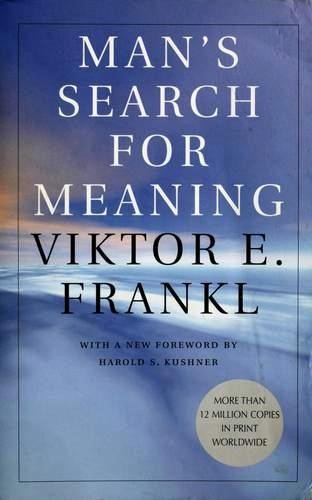
Man's Search for Meaning
Frankl’s short book is half memoir of the Nazi camps and half introduction to logotherapy, his claim that people can endure almost anything if they can locate a why. It is not a productivity guide. The first half is stark. The second half is a compact theory of meaning that later self-help often dilutes. Readers in their twenties keep recommending it when the usual advice about goals starts to feel thin.
It sits on this list because meaning is the question under career panic, breakups and the first real grief. It will not tell you which job to take. It will press you on whether the job, the relationship or the plan is actually answering anything. Skip it only if you are not ready for Holocaust testimony; the book does not soften that material.
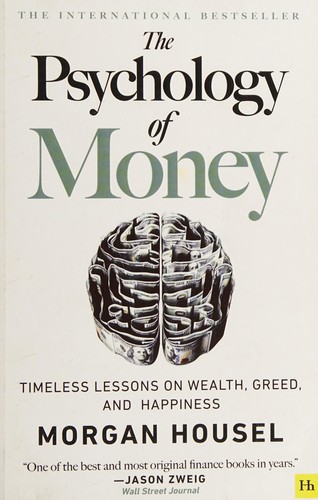
The Psychology of Money
Housel’s book is nineteen short essays on how people actually behave with money: luck, ego, compound interest, the gap between being rich and looking rich. It is not a budgeting workbook and it will not pick your index fund. What it does well is lower the temperature. Twentysomethings comparing salaries on group chats often treat money as a scoreboard. Housel treats it as a set of stories people tell themselves.
Include it because personal finance lists for this age are usually either too technical or too hustle-coded. This one is readable in an evening and useful for a decade. The limitation is obvious: essays will not replace a local tax guide or a conversation with someone who knows your currency and debt rules.
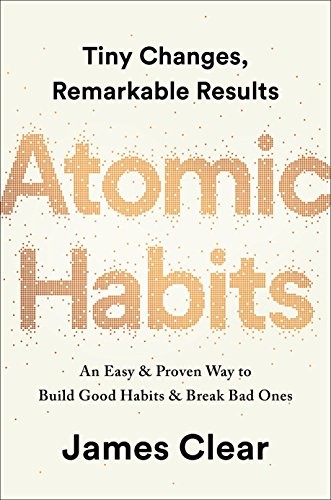
Atomic Habits
Clear’s habit book is the most-recommended systems title for this decade, which is both a recommendation and a warning. The core idea is small, identity-linked changes: make the good action obvious, easy and satisfying; make the bad one the reverse. Readers like it because it is concrete. Critics call it a polished restatement of older behavior research, which is fair.
It earns a place because twenties life is full of unstructured time and new environments—first apartments, first offices, first commutes—where systems matter more than motivation speeches. Use it as a toolkit. Do not treat it as a personality. If you already keep a working routine, you may get more from a novel on this list than from another habit loop diagram.
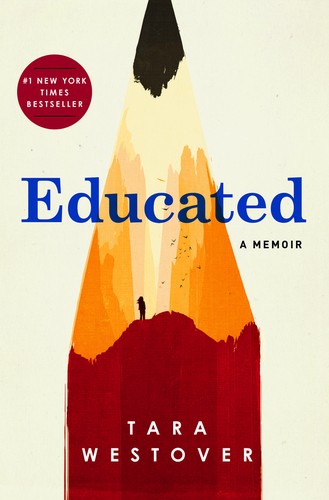
Educated
Westover’s memoir follows a young woman raised in a survivalist family in Idaho who had almost no formal schooling and later earned a doctorate. The book is about education as a rupture, not a résumé line. Family loyalty, memory and the cost of leaving sit beside the classrooms. It became a common twenties recommendation because so many readers at that age are negotiating how far they can travel from the people who raised them.
It is here as a counterweight to purely strategic career books. Ambition looks different when the starting point is isolation rather than a campus. The narrative is intense. Readers should know in advance that family violence and medical neglect are part of the record Westover is working through.
Attached: The New Science of Adult Attachment and How It Can Help You Find–and Keep–Love
Levine and Heller popularized adult attachment styles—anxious, avoidant, secure—for a dating audience. The book’s usefulness in your twenties is blunt: this is when many people first notice they keep picking the same kind of partner or panicking at the same kind of silence. Quizzes and case studies make the theory easy to apply and easy to over-apply.
Put it next to Jay and hooks rather than in place of them. Attachment language can become a label gun. Used carefully, it gives a vocabulary for needs that otherwise show up as fights about texting. Readers who want literary complexity should pair it with Normal People instead of stopping at the quiz.
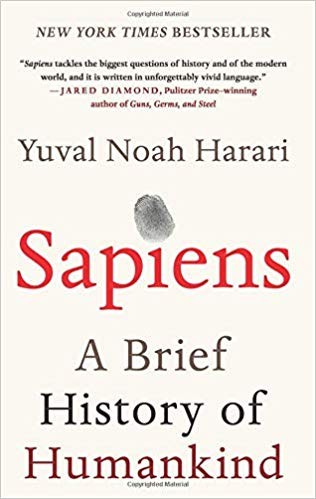
Sapiens: A Brief History of Humankind
Harari’s survey runs from cognitive revolution to agribusiness and imagined orders—money, nations, human rights—as shared fictions that let strangers cooperate. Twentysomethings recommend it when they want a wide frame after years of specialized school or a narrow first job. Specialists have argued with its sweep. That debate is useful: the book is a conversation starter, not a textbook.
It is on the list because perspective is a practical need in a decade full of local emergencies. A bad performance review feels different after a chapter on how recent most modern institutions are. Read it knowing Harari compresses contested research. If a chapter on agriculture or empire feels too neat, treat that as a prompt to read a historian next, not as a reason to skip the questions he raises.
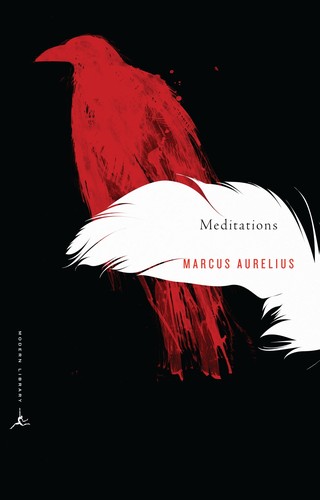
Meditations
These are private notes by a Roman emperor, not a polished self-help manuscript. The Hays translation is the edition most contemporary readers finish because the English is plain. The themes—attention, mortality, dealing with difficult people, doing the next duty—map oddly well onto a first job and a crowded city.
Stoicism has been branded hard in the last decade. This book predates the branding. It belongs here as a short, reusable text rather than a doctrine. Some passages will feel repetitive. That is the form: a person talking himself back into proportion. Pair it with Frankl if you want meaning under pressure, not with a productivity stack.
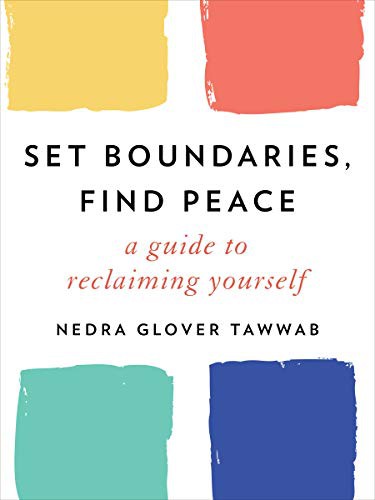
Set Boundaries, Find Peace: A Guide to Reclaiming Yourself
Tawwab, a licensed therapist, writes a plain-language manual on saying no at work, with family and in romance. The book is popular with readers in their twenties because that is when many people first live with roommates, report to a manager and try to keep childhood roles from running adult life. Scripts and examples keep it from floating as theory.
It complements Attached. One book describes how you bond; this one describes how you limit access. Some readers want more attention to culture and power. Use it as a starting vocabulary, then adjust the scripts so they sound like you. Boundary talk can become another way to avoid repair; Tawwab is clearer than most on the difference between a limit and a wall.
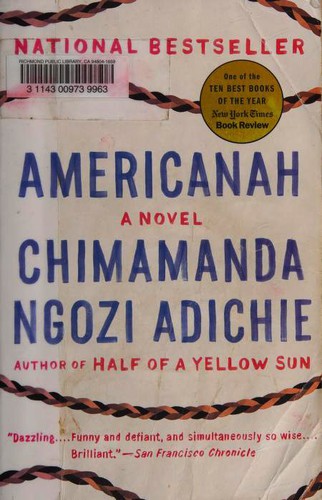
Americanah
Ifemelu leaves Nigeria for the United States; Obinze’s path runs through a harsher Britain. The novel is a love story and a study of race, hair, blogs, campus life and what “home” means after you have been made foreign. Adichie is funny in a way listicle summaries never are. The book keeps appearing on twenties lists because so much of that decade is spent becoming a person in someone else’s country—or realizing your own country looks different after you leave.
Choose this when you want fiction that thinks as hard as the nonfiction on the list. It is longer than most titles here and worth the pages. Readers looking only for a tidy romance will find the social observation is the main event.
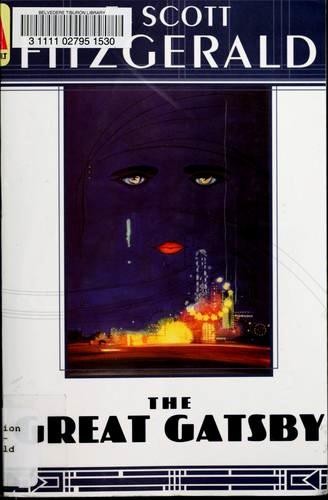
The Great Gatsby
A short novel about a man who builds a glittering Long Island life around a lost love, told by a younger neighbor who is both dazzled and uneasy. People assign it in school and then, in their twenties, notice the money, the parties and the self-invention more clearly. It is a book about wanting a version of adulthood that cannot survive contact with the actual people involved.
It is the classic on this list on purpose. Ambition, class performance and romantic fixation are not new problems, and Fitzgerald’s sentences still show how glamour hides a thin plan. If you bounced off it at sixteen, the book is short enough to retry without a study guide.
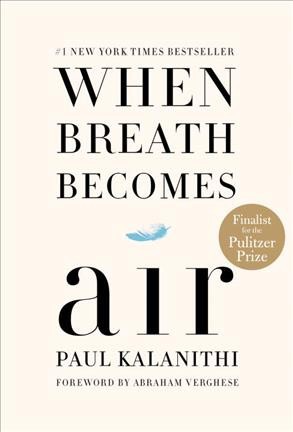
When Breath Becomes Air
Kalanithi was finishing neurosurgery training when he was diagnosed with stage IV lung cancer in his mid-thirties. The memoir moves from literature and medicine to the question of what makes a life worth living when the future collapses. His wife’s epilogue completes a book he did not finish. Readers in their twenties often meet it earlier than the author’s age, which is part of why it lands: the decade assumes there will be time.
It belongs beside Frankl as a modern meaning book with a different texture—hospital corridors instead of camps, a new child instead of a reconstructed practice. It is brief and heavy. Do not save it for a crisis if you want its questions while you still have ordinary days.
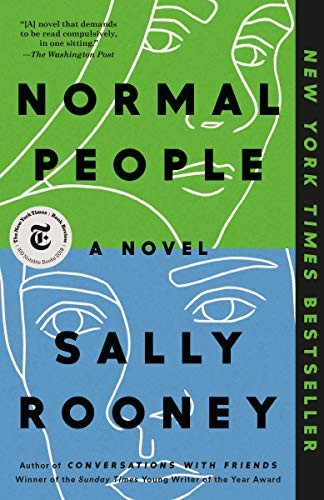
Normal People
Connell and Marianne grow up in the same Irish town with opposite social power, then keep colliding through school and university. The novel is famous for how precisely it renders miscommunication, class and sex among people who are articulate and still lost. It became a default twenties novel because so many readers recognized the gap between what they felt and what they could say.
Use it as the fiction counterpart to Attached. Theory names the pattern; Rooney shows how the pattern feels in a kitchen or a stairwell. Some readers find the characters frustrating. That frustration is part of the book’s honesty about early adulthood. It is not a comfort read and it is not trying to be.
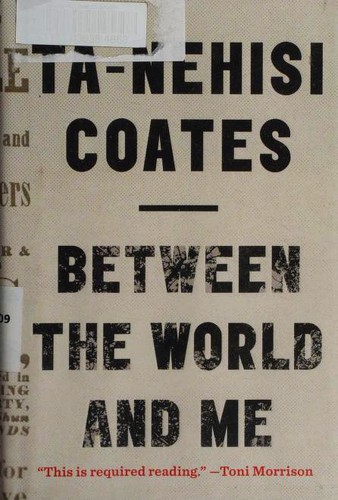
Between the World and Me
Written as a letter to his son, Coates’s National Book Award winner asks what it means to live in a Black body in the United States. The book moves through Baltimore, Howard University, Chicago and Paris without offering a consoling national story. It is short and concentrated. Readers in their twenties encounter it as both history lesson and present-tense warning.
It is here because any list about becoming an adult in this country that ignores race is incomplete. Coates writes with the urgency of a parent and the craft of an essayist. Readers who disagree with his conclusions still have to deal with the evidence he lines up. Pair it with Americanah if you want a novel’s wider geography after the letter’s tight focus.
The Alchemist
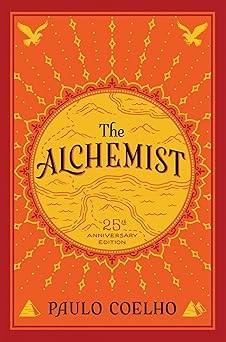
Santiago, a Spanish shepherd, leaves a familiar life after a recurring dream and crosses into North Africa looking for treasure. Coelho writes a fable about listening to omens and pursuing what he calls a Personal Legend. The book is beloved and mocked in equal measure, which is why it still belongs in a researched twenties list: it is the title people actually hand one another after a breakup or a resignation.
Read it as a parable, not as a career plan. Its simplicity is the feature and the flaw. If you want desert mysticism and permission to leave a safe path, it delivers. If you want social texture, read Americanah or Educated instead. Many readers outgrow it; some return to it when they need a short push more than a nuanced argument.
All About Love: New Visions
- Series
- Love Song to the Nation
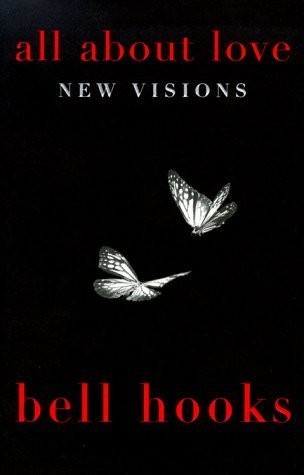
hooks treats love as a practice—care, commitment, knowledge, responsibility, respect, trust—rather than a feeling that arrives fully formed. The essays cut through romance culture and look at family, media, masculinity and community. First published in 2000, the book found a large new audience among younger readers who wanted a definition of love that could survive more than a crush.
It closes this list because the other relationship titles here are either diagnostic or narrative. hooks is ethical. She will not help you optimize a dating app. She will ask whether what you call love includes justice. Some chapters show their date. The central demand does not.
How to choose among these 16
If you want one book that is explicitly about this decade, start with The Defining Decade. If money anxiety is the loudest problem, start with The Psychology of Money. If your relationships keep repeating, read Attached and then Normal People so the theory has to survive a novel. If you already eat a lot of self-help, skip to Americanah, Educated or Between the World and Me.
You do not need all sixteen before thirty. A realistic year is three or four, mixing one practical title with one memoir or novel. The point of a numbered list is coverage, not a syllabus. Drop any book that is not earning its time; the decade is short enough without finishing books out of duty.
Frequently asked questions
What is the best first book to read in your 20s?
The Defining Decade is the most direct match for the search. If that tone feels too advisory, start with The Psychology of Money or Americanah instead.
Should people in their twenties read more fiction or nonfiction?
Both. Reader discussions keep warning that a decade of only self-help produces language without texture. A workable split is one practical book and one novel or memoir at a time.
Are self-help books for your 20s worth reading?
Some are, if you treat them as tools. Atomic Habits, Attached and Set Boundaries, Find Peace are useful when you apply one idea. They get thin if they replace literature, friends or a therapist.
What should I read if I already finished The Defining Decade?
Move to a money book, a relationship book and a novel that complicates the advice. Housel, hooks and Adichie cover ground Jay cannot in a single clinical frame.
Which books on this list are the heaviest?
Man's Search for Meaning, Educated, When Breath Becomes Air and Between the World and Me. They are short compared with many novels, but they ask more of you than a habit manual.
Sixteen titles cannot finish a decade, but they can stop you from reading only one kind of advice. Use the practical books to make smaller, clearer moves. Use the memoirs and novels to remember that other people have already been lost, ambitious, broke, in love and unsure in public. That combination is the real reading list for your twenties.
Sources and further reading
- Hachette Book Group
- Penguin Random House
- Harriman House / Amazon product records
- Penguin Random House / Avery
- Random House
- Tarcher / Penguin Random House
- Harper
- Modern Library
- Nedra Tawwab / Tarcher
- Vintage / Penguin Random House
- Scribner
- Random House
- Hogarth
- Kirkus Reviews
- HarperOne
- William Morrow
- Penguin Random House Read Down
- Reddit r/booksuggestions
- PureWow
- New Trader U