This article may contain affiliate links. If you buy a book through those links, we may earn a commission at no extra cost to you.
People search for inspirational books when ordinary pep talks stop working. They want language for a hard season, a model of courage, or a method that turns restless energy into a next step.
This list keeps the number at 18, matching the search, and mixes memoirs, philosophy, and practical nonfiction. The books overlap on meaning and grit, but they do not all ask the same thing of a reader. Some comfort. Some confront. A few are short enough to finish in a weekend; others stay useful because they reward rereading.
What counts as an inspirational book
Inspiration is not one genre. Readers use the word for a fable that restores appetite for a goal, a memoir that proves a life can change after a closed door, and a manual that shows how small actions compound. Community discussions on book forums and recommendation threads keep returning to the same cluster: meaning after suffering, habits that survive low motivation, and stories of people who kept a principle when it cost them.
The useful distinction is tone. Some titles argue that purpose is discovered under pressure. Others argue that purpose is built through daily systems. A third group treats inspiration as attention: how you speak, how you treat other people, how you stay present. Mixing those approaches keeps a list from collapsing into identical self-help. It also helps a reader match a book to the problem they actually have, instead of collecting slogans.
18 inspirational books to read
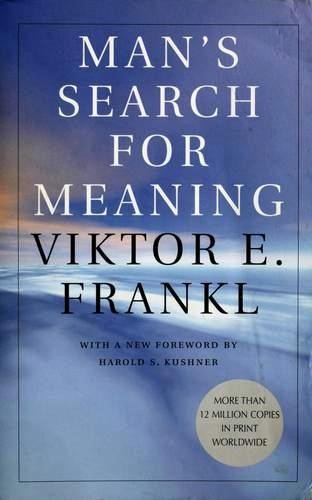
Man's Search for Meaning
Frankl's short book remains the title people name first when they want inspiration that is not cheerful. Written after his imprisonment in Nazi camps, it pairs a restrained memoir with the idea that became logotherapy: people can endure a great deal if they can still answer why they are living.
The inspiration is not that suffering is noble. It is that attitude is one of the last freedoms left when circumstances collapse. Readers who recommend it often say the camp chapters are harder than the later psychological section, and that the book works best when you already have a problem that needs framing rather than a mood that needs lifting.
It belongs here because so many later motivational books quietly borrow its central claim. If you want a starting point that treats meaning as a responsibility rather than a feeling, this is the one other titles keep circling.
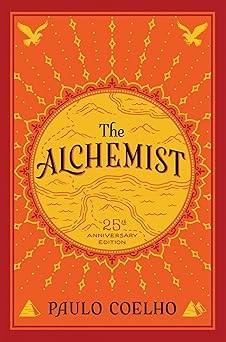
The Alchemist
Coelho's fable about Santiago, an Andalusian shepherd who leaves home in search of treasure, is the inspirational novel people gift when they want a story instead of a workbook. The plot is simple on purpose: omens, mentors, and setbacks keep pointing the boy toward a Personal Legend.
Readers praise its clarity and its insistence that desire can be a form of guidance. The common complaint is the same quality from the other side: the philosophy can feel thin if you want psychological complexity or a less tidy moral. That split is useful. The book is inspirational because it makes courage look available, not because it maps every obstacle.
Include it when you want fiction that talks about vocation without becoming a career manual. It is also one of the few widely shared inspirational titles that works for teenagers and adults without changing register.
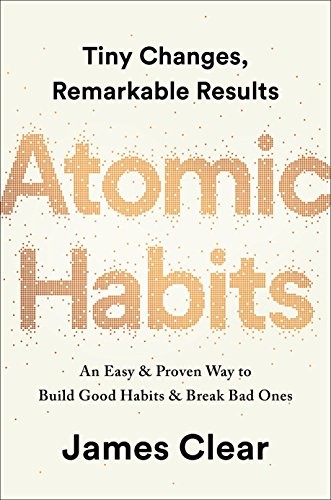
Atomic Habits
Clear's book is inspirational in a different register: it treats motivation as unreliable weather and builds a system that still works on dull days. The argument is that tiny behaviors compound, identity follows repetition, and environment often beats willpower.
Community threads about books that changed habits mention this one constantly, usually with a practical caveat. Some readers say the ideas are familiar. Others say familiarity is the point, because the book organizes scattered advice into cues, cravings, responses, and rewards you can actually test.
It earns a place on an inspirational list because inspiration fades unless it becomes a schedule. If Frankl asks what your life is for, Clear asks what you will do tomorrow morning. That pairing is why the two titles so often sit on the same shelf.
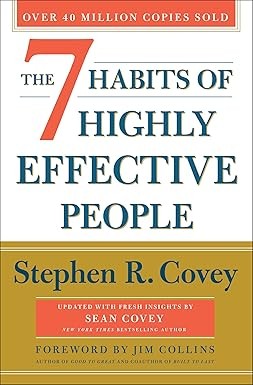
The 7 Habits of Highly Effective People
- Series
- The Covey Habits Series
Covey's 1989 classic still appears whenever readers ask for one book that can reorganize a life rather than a week. The seven habits move from private character to public cooperation: be proactive, begin with the end in mind, put first things first, think win-win, seek first to understand, synergize, and sharpen the saw.
The inspiration is ethical more than athletic. Covey argues that techniques collapse if they are not attached to principles. That is why some readers call it the one self-help book they would keep. It is also why others bounce off the length, the corporate examples, and language that now feels dated.
Use it when you want a full operating system, not a single insight. Compared with Atomic Habits, it is slower and more moral. Compared with Carnegie, it cares less about charm and more about integrity.
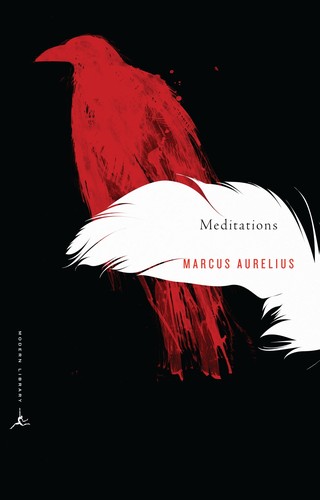
Meditations
Marcus Aurelius did not write a motivational book. He wrote private notes while governing an empire and campaigning on its edges. That origin is the source of the book's authority. The reminders are blunt: you will die, other people will be difficult, and most of what upsets you is a judgment you can revise.
Modern readers keep recommending the Gregory Hays translation for its plain English. The book inspires through repetition rather than plot. People who dislike it usually wanted a narrative or a coach; people who love it treat it as a manual they open in fragments.
It belongs among inspirational books because it offers composure without promising a better brand of yourself. Where Goggins pushes intensity, Aurelius pushes proportion. That contrast is part of why both stay on lists.
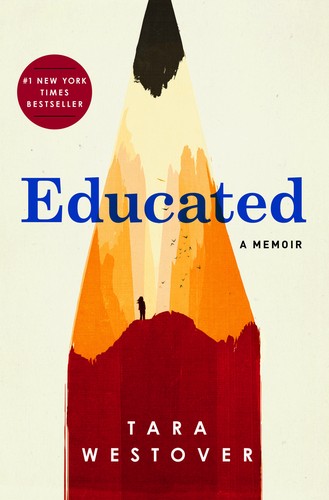
Educated
Westover's memoir follows a girl raised in an isolated Idaho family who had almost no formal schooling and later earned a doctorate from Cambridge. The inspirational force is not a montage of scholarships. It is the slower work of noticing that the world described at home is not the only world available.
Readers call it life-changing because education here is not a résumé line. It is a way of gaining language for harm, loyalty, and self-trust. The book is also frequently flagged as emotionally demanding. Family violence and colliding memories make it a poor choice if you want gentle uplift.
It belongs on this list because inspiration sometimes looks like leaving a story you were told about yourself. Pair it with Angelou if you want literary memoir; pair it with Dweck if you want the psychology behind learning after a late start.
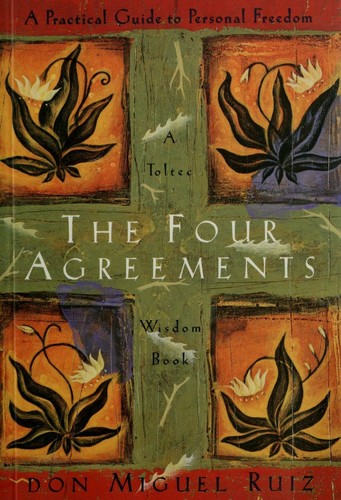
The Four Agreements
- Series
- A Toltec Wisdom Book
Ruiz compresses a code of conduct into four rules: be impeccable with your word, do not take anything personally, do not make assumptions, and always do your best. The book is short, which is both its strength and the reason some readers finish it unconvinced.
Those who keep recommending it say the agreements are easy to remember in conflict, which is where inspiration usually fails. Critics call the Toltec framing loose and the advice obvious. Obvious advice still has a use if you can apply it while angry.
It sits between Tolle and Carnegie. Like Tolle, it asks you to drop stories the mind keeps spinning. Like Carnegie, it cares about speech and social friction. Choose it when you want a pocket-sized reset rather than a research-backed system.
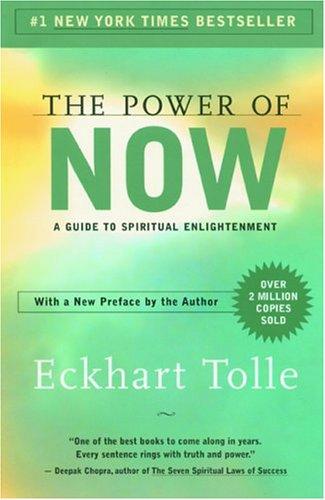
The Power of Now
Tolle argues that most suffering is produced by identification with thought, especially rumination about the past and future. The proposed alternative is attention to the present, described as a doorway rather than a mood. The book became a mainstream spiritual title after Oprah Winfrey championed it.
Inspiration here is quiet. Readers who love the book describe a drop in mental noise. Readers who dislike it find the voice repetitive or unfalsifiable. That split shows up across spirituality threads: some people want presence, others want an argument they can pressure-test.
Include it when the problem is not a missing goal but an inability to inhabit the life you already have. It is a poor match for readers who want tactics, metrics, or biography. It is a strong match for readers exhausted by their own commentary.
How to Win Friends and Influence People
Carnegie's 1936 handbook is still assigned because social ease is a form of courage many ambitious people never practice. The advice is concrete: remember names, avoid cheap criticism, let other people talk, admit fault quickly. Later editions, including the 2022 update overseen by Donna Dale Carnegie, keep the original's case studies while refreshing the frame.
The book inspires readers who thought charisma was a personality trait. The recurring objection is that some techniques can sound like manipulation if you treat people as instruments. Carnegie himself keeps insisting on sincerity; whether that lands depends on the reader.
It belongs here because inspiration that never leaves the inner life stays incomplete. If you can change your habits but still freeze in rooms full of people, this is the more relevant title than another mindset book.
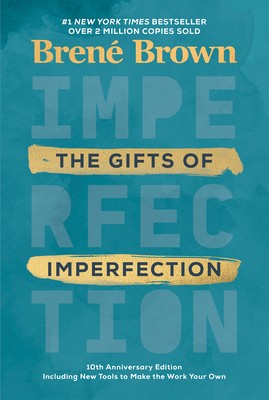
The Gifts of Imperfection
Brown translates research on shame, belonging, and vulnerability into ten guideposts for what she calls wholehearted living. The inspirational claim is blunt: you cannot numb selected feelings and still keep joy. Worthiness has to be practiced in ordinary rooms, not earned after a flawless performance.
Readers who come from her TED Talk sometimes say the book repeats ideas they already know. Readers new to the work often find it the most usable entry point, shorter and warmer than the later leadership books. The 10th-anniversary edition adds tools without changing the core argument.
Choose this when inspiration has been hijacked by perfectionism. It is less about grinding toward a goal than about staying in your life while the goal is unfinished. That makes it a counterweight to the endurance titles on this list.
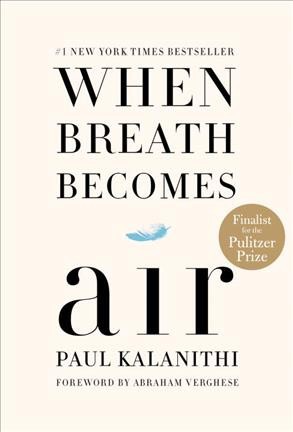
When Breath Becomes Air
Kalanithi was close to finishing neurosurgery training when he was diagnosed with stage IV lung cancer. The memoir he left behind asks what makes a life meaningful when the future contracts. Literature and medicine sit side by side; he had trained in both.
The inspiration is not triumph over illness. Kalanithi died in 2015 before the manuscript was complete. What remains is a record of someone trying to stay a doctor, a husband, and a father while becoming a patient. Readers often finish it shaken and newly protective of ordinary time.
It belongs with Frankl and Albom as a book about mortality that still sends people back into their lives. Skip it if you need lightness. Read it if you want inspiration that does not pretend time is unlimited.
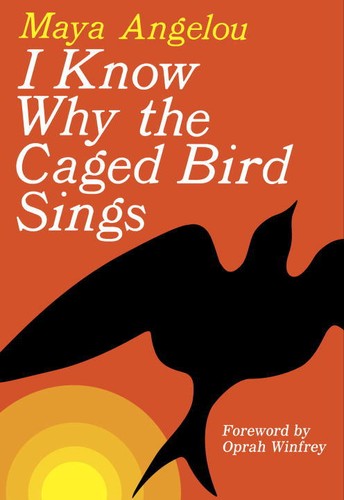
I Know Why the Caged Bird Sings
- Series
- Maya Angelou autobiographies
Angelou's first autobiography follows her from a childhood split between Stamps, Arkansas, and other cities through the moment she becomes a mother at sixteen. The book is inspired by survival, but the engine is language: books, speech, and the gradual recovery of a voice after trauma and racism.
It remains an inspirational classic because dignity is shown as something a child can practice before the world grants it. Readers should know it contains sexual violence and the long silence that follows. That content is part of the book's honesty, not an incidental warning.
Place it here as a reminder that inspirational reading is larger than the self-help aisle. Angelou does not offer seven habits. She offers a self made under pressure, which is often what people are actually looking for.
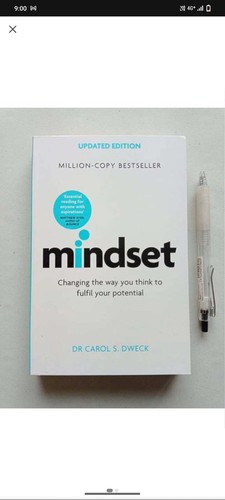
Mindset
Dweck's research popularized a distinction that now lives far outside psychology labs: a fixed mindset treats ability as a verdict, while a growth mindset treats ability as something practice can change. The book applies that idea to school, sport, work, and parenting.
The inspirational value is permission to be a beginner again. The limitation, which later discussions of the research sometimes raise, is that chanting 'growth mindset' without better instruction or support does little. Dweck herself warns about a false growth mindset that praises effort and ignores strategy.
Read it when the obstacle is a story about talent. It pairs naturally with Educated and Atomic Habits: one shows a late education, one shows how repetitions accumulate, and Dweck explains why people stop trying before either process can start.
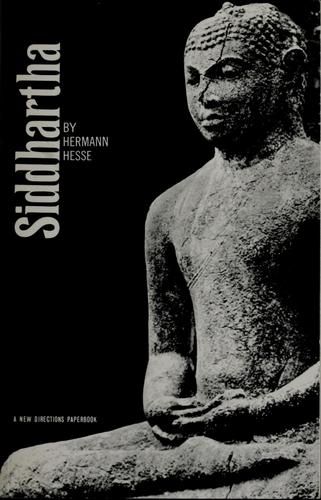
Siddhartha
Hesse's 1922 novel follows a Brahmin's son who leaves home in search of wisdom during the time of the Buddha. He tries asceticism, worldly success, love, and fatherhood before arriving at a quieter understanding beside a river. The book is spiritual fiction, not a biography of the Buddha.
Readers looking for inspirational novels often name it beside The Alchemist. Siddhartha is less slogan-driven and more interested in the cost of each stage. Some find the lyric simplicity beautiful; others find it dated or overly schematic.
It belongs on the list because inspiration is also a question about how much experience a person must live before secondhand wisdom will take. If Coelho sends you toward a treasure, Hesse keeps asking whether the treasure was ever outside you.
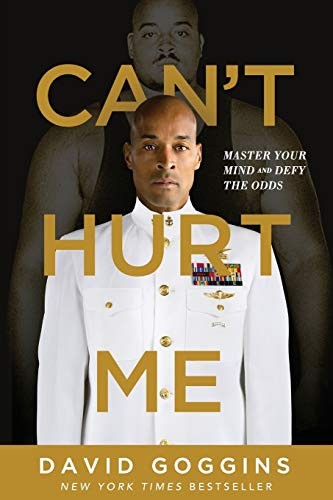
Can't Hurt Me
Goggins recounts a childhood marked by abuse and later transformations through military training and ultra-endurance events. The book is built around calluses on the mind, accountability mirrors, and the claim that most people quit long before their actual limit, which he brands the 40% rule.
It is one of the most recommended modern toughness memoirs, and also one of the most polarizing. Admirers say it makes excuses look expensive. Detractors say the intensity, language, and extremes are neither healthy nor transferable. Both reactions are fair. Inspiration does not have to be universally advisable to be clarifying.
Use it when you need heat. Do not use it as a complete philosophy of a good life. Pair it with Brown or Tolle if the problem after reading it is that you can grind but cannot rest.
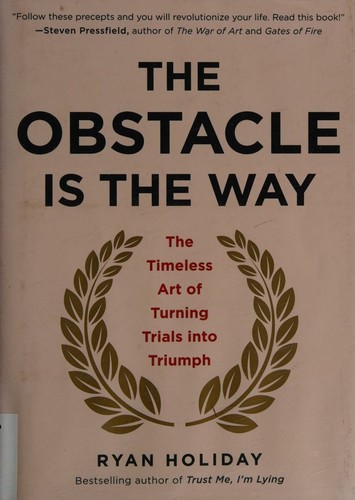
The Obstacle Is the Way
Holiday popularizes a Stoic formula drawn from Marcus Aurelius: the impediment to action can advance action. Historical sketches — Rockefeller, Earhart, Grant, and others — show people using perception, action, and will when a situation will not yield.
The book is inspirational because it is short and usable under stress. The usual critique is that it simplifies a long philosophical tradition and leans on greatest-hits biography. Readers who already love Meditations may find it a gateway rather than a substitute.
It earns a place as the practical companion to Aurelius. Where the emperor writes notes to himself, Holiday writes a field guide for people who will not start with ancient texts. If you want modern Stoicism without a daily-devotional format, start here.
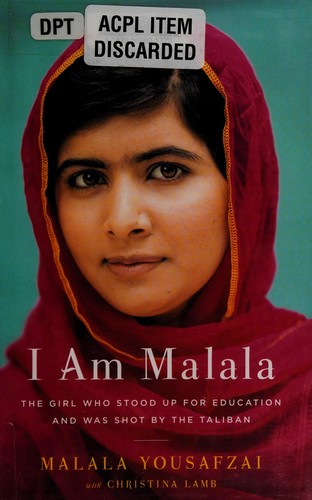
I Am Malala
Written with journalist Christina Lamb, this memoir follows Malala Yousafzai's childhood in Pakistan's Swat Valley, her campaign for girls' education, and the Taliban attack that nearly killed her at fifteen. The later pages cover recovery in the United Kingdom and the work that led to the Nobel Peace Prize.
The inspirational charge is specific: a young person insisting that school is a right, not a luxury, in conditions designed to make that claim dangerous. Readers looking for a private self-help arc may want a different book. Readers looking for courage with a public stake will find this one hard to shake.
It balances the interior titles on the list. Inspiration is not only self-optimization. Sometimes it is a voice that refuses to shrink so other people can keep learning.
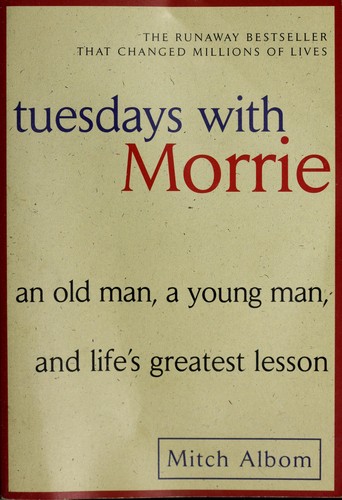
Tuesdays with Morrie
Albom reconnects with Morrie Schwartz, his former sociology professor, after learning that Schwartz is dying of ALS. Their Tuesday visits become a last class on love, work, community, and how to die without postponing living. The book is brief and built from conversation.
It is one of the most widely read inspirational memoirs of the last thirty years, which also makes it a lightning rod. Some readers find it tender and clarifying. Others find the sentiment too smooth. That disagreement is predictable for a book that offers consolation in plain language.
Keep it on the list because not every reader in a hard season wants Stoic austerity or habit math. Some want a teacher in a chair. If Kalanithi is austere and Frankl is philosophical, Albom is domestic and pastoral.
How to choose among these 18 books
Start with the problem, not the reputation. If you feel directionless, Frankl, Coelho, and Hesse ask better first questions than a habit manual. If you already know the goal and keep stalling, Clear, Covey, and Holiday will waste less of your time. If the wound is shame or comparison, Brown is a closer fit than Goggins.
Match intensity to capacity. Angelou, Westover, Yousafzai, Kalanithi, and Frankl include violence, illness, or both. They can be deeply motivating and still be the wrong book for a fragile week. Carnegie and Ruiz are lighter onboarding titles. Aurelius and Tolle reward slow reading more than a single sitting.
A practical way through the list is to pick one memoir, one method book, and one short philosophy title. That mix keeps inspiration from collapsing into either nostalgia or productivity.
Frequently asked questions
What is the best inspirational book to read first?
If you want one widely trusted starting point, Man's Search for Meaning is the title readers name most often when they want substance rather than slogans. If you want something practical instead of existential, start with Atomic Habits. If you want a story, start with The Alchemist.
Are inspirational books the same as self-help books?
Not always. Self-help usually offers a method. Inspirational reading can be a memoir, a novel, or a set of private notes, as long as it changes how a reader faces difficulty. This list includes both, because searchers use the phrase for courage stories and for usable frameworks.
Which inspirational books are short enough for a weekend?
The Four Agreements, Tuesdays with Morrie, The Obstacle Is the Way, and many editions of Man's Search for Meaning and Siddhartha are compact. Meditations can also be read in short sittings even when the whole volume is longer.
Which titles are too intense for a light motivational read?
Educated, I Know Why the Caged Bird Sings, Can't Hurt Me, When Breath Becomes Air, I Am Malala, and Man's Search for Meaning all include verified trauma, violence, illness, or abuse. They can still inspire, but they are not gentle pick-me-ups.
Do I need to read these books in a set order?
No. They are standalone works. The only sequenced titles here are Angelou's first autobiography and Ruiz's first Toltec Wisdom book. A useful personal order is meaning first, method second, and a memoir third, but that is a reading strategy, not a required sequence.
Inspiration lasts longer when it is specific. These 18 books cover purpose after suffering, daily systems, social courage, spiritual attention, and lives that changed under pressure. Pick the title that answers the problem you have this month, then let the next one correct the first book's blind spot.
Sources and further reading
- Beacon Press / Amazon listing for Man's Search for Meaning
- Penguin Random House
- HarperCollins Canada
- Penguin Random House Atomic Habits page
- Simon & Schuster
- Simon & Schuster Carnegie page
- Random House Educated page
- Penguin Random House When Breath Becomes Air
- Penguin Random House I Know Why the Caged Bird Sings
- Little, Brown I Am Malala
- Bookshop.org inspiring books list
- Inc. reader motivational books list
- Reddit self-improvement recommendations
- r/GetMotivated book mentions
- Wikipedia Siddhartha
- Wikipedia Meditations / Holiday context pages