This article contains affiliate links. If you buy a book through those links, we may earn a small commission at no extra cost to you.
A good story book does one hard thing well: it makes you keep turning pages because the people on them feel real and the next scene matters. Searchers typing 15 best story books to read usually want that, not a syllabus or a ranked canon. They want novels with a strong narrative spine, whether the book is 180 pages or more than a thousand.
The fifteen titles below mix widely taught classics with later bestsellers that readers still press on friends. They are not ranked. Each one earned a place because it is repeatedly recommended for story, has verifiable publication history, and offers a different reading experience from the others on the list.
What readers mean by story books
In library catalogs and classroom lists, story book can mean a picture book for children. In everyday search language, especially among adult readers, it usually means a novel or long story with a beginning, middle, and end you can follow. That is the sense used here. The list stays with narrative fiction rather than essays, manuals, or fragmented experimental work.
Community threads on book forums keep circling the same complaints and wishes. People want books that hook early. They also want to know if a famous title is dry, preachy, too long, or heavier than the cover suggests. Several of these novels appear on school lists, which creates a second problem: readers bounce off them if they expect only homework. The notes below treat each book as a reading choice, not an assignment.
15 story books worth your time
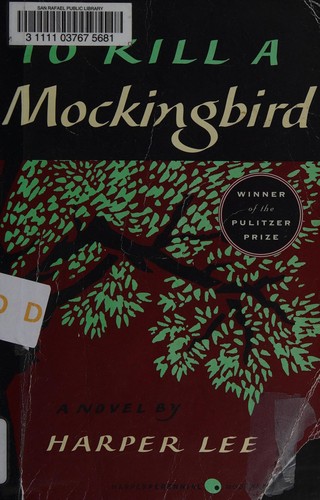
To Kill a Mockingbird
Harper Lee’s only novel for decades remains one of the most requested story books because it is both a childhood memoir in fiction form and a courtroom drama. Scout Finch looks back on growing up in a small Alabama town, where her father, Atticus, takes a case that the community would rather ignore. The plot moves through seasons, neighbors, and a trial without needing a twist every chapter.
The book belongs on this list because new readers still finish it in a few sittings and then argue about its moral center. It is warmer and funnier than its reputation as a serious classic suggests, then sharper once adult hypocrisy comes into view. Readers who only remember the film often find the novel more crowded with local voices and small comic scenes.
It is a weaker fit if you want a plot that never pauses for schoolyard life or if you prefer fiction that refuses any trace of classroom familiarity. The Southern setting and racial injustice are not background decoration; they are the engine of the story.

Pride and Prejudice
Jane Austen’s 1813 novel is still the model for a social story that lives on conversation. Elizabeth Bennet meets the wealthy, reserved Mr. Darcy, misreads him, and spends the rest of the book correcting first impressions while her family lurches through courtship, money trouble, and public embarrassment. The plot is a chain of visits, letters, dances, and revelations rather than battles or quests.
It earns a place among the best story books to read because the comedy is structural. Every dinner and walk advances status, affection, or humiliation. Readers who come for romance stay for the way Austen tracks how pride, gossip, and class shape what people are allowed to want.
The book can feel slow if you need constant external action. Period manners and entailment law matter to the plot, so a lightly annotated edition helps. It is a better match for readers who like sharp dialogue than for anyone hunting grim realism.
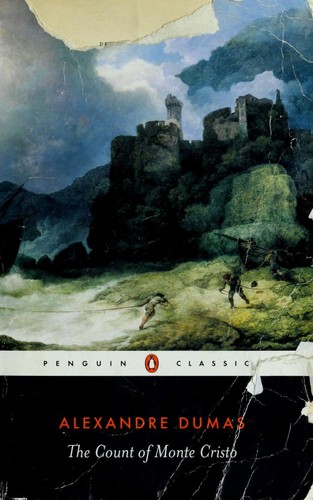
The Count of Monte Cristo
Serialized in the 1840s, this is the list’s purest adventure engine. Edmond Dantès, a young sailor on the verge of a good life, is betrayed and locked in the Château d’If. The novel then becomes a long campaign of escape, education, fortune, and repayment, with disguises and interlocking subplots that still read like a blueprint for later thrillers.
It belongs here because readers looking for a story book often mean this exact feeling: a plot that keeps expanding without losing the central grievance. Forum recommendations treat it as the rare long classic that behaves like a page-turner. The complete Robin Buss translation for Penguin is the edition to seek if you want the full text rather than a trimmed school version.
Length is the honest limitation. Unabridged copies run well over a thousand pages, and some side intrigues wander. Choose it when you want momentum and invention, not a compact modern novel.
The Alchemist
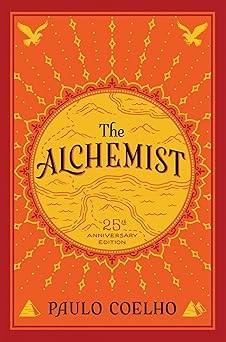
First published in Portuguese in 1988 as O Alquimista, Paulo Coelho’s short novel follows Santiago, an Andalusian shepherd who leaves Spain after a recurring dream of treasure near the Egyptian pyramids. The journey is a fable: omens, chance meetings, and a handful of teachers keep pointing him toward a Personal Legend. The English edition from HarperCollins appeared in 1993 and later became a global bestseller.
It is on this list because many readers who ask for story books want a clear quest with a moral shape, not a dense social novel. The book is brief, easy to finish in an evening, and unusually direct about purpose and fear. That same directness is why some readers call it thin or repetitive. Both reactions are common and useful to know before you start.
Choose it if you like parable more than psychological realism. Skip it if aphorism and destiny talk grate on you. It sits at the opposite end of the list from books such as Beloved or 1984.
1984
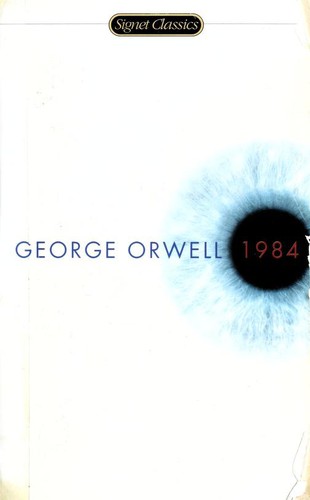
George Orwell’s last completed novel, published in 1949 by Secker & Warburg, follows Winston Smith, a records worker in a surveillance state who begins to keep a private diary and look for a way out of official lies. The story is spare and linear: workplace dread, a forbidden attachment, and the machinery that exists to crush both. The common Signet edition uses the title 1984.
It remains one of the best story books to read because the plot is easy to track and the stakes are immediate. Readers still come to it for story first and only later treat it as political vocabulary. Compared with the warmer books on this list, it offers almost no comfort and very little pastoral detail.
The limitation is tonal. The last third is designed to be oppressive. It is a poor choice if you want uplift, and a strong choice if you want a short novel that shows how a system can rewrite a person’s sense of reality.
The Great Gatsby
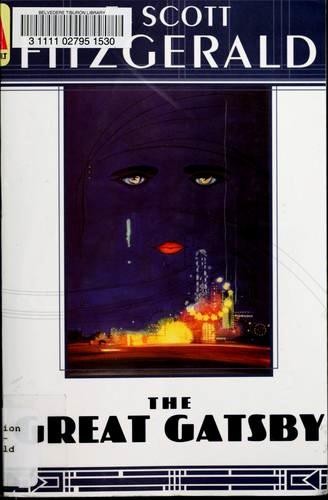
Published by Scribner’s in April 1925, Fitzgerald’s slim Jazz Age novel is narrated by Nick Carraway, who rents a house next to the mysterious Jay Gatsby and watches a summer of parties collapse around an old romance. The plot is short and clean: new money, old money, a reunion, and the cost of trying to force the past to return. The widely sold Scribner paperback uses ISBN-13 9780743273565.
It belongs here because it is one of the few canonical novels that also behaves like a tight story book. Readers who bounce off thicker nineteenth-century fiction often finish Gatsby in a weekend. The sentences do more work than the event list, which is why some people remember the mood more than the plot points.
If you want a crowded cast or a long historical sweep, this will feel slight. If you want a precise tragedy about desire and class in a few hundred pages, it is one of the most efficient books on the list.
Jane Eyre
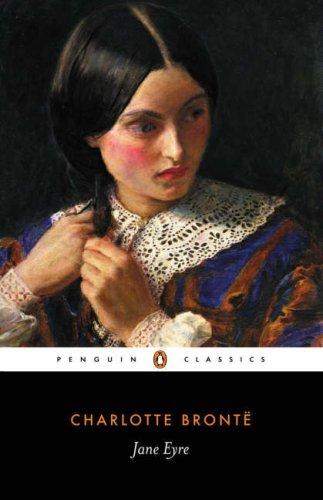
Charlotte Brontë’s 1847 novel follows an orphaned governess from a harsh childhood through a post at Thornfield Hall, where her employer, Mr. Rochester, is as compelling as he is withheld. The story is told in Jane’s own voice, which is what makes it feel modern even when the furniture is Gothic. She wants work, dignity, and love, and the plot keeps testing whether those can exist together.
It is one of the best story books to read after Austen because the emotional temperature is higher and the secrets are darker. Readers who want more atmosphere than drawing-room comedy usually prefer this book. The Penguin Classics text edited by Stevie Davies is a reliable modern reading edition.
The Gothic machinery will feel dated if you dislike coincidences and locked rooms. Jane’s moral firmness is the point for many readers and a barrier for others who want a less principled heroine.

Things Fall Apart
- Series
- The African Trilogy
Chinua Achebe’s 1958 novel, the first book in his African Trilogy, is set in the Igbo village of Umuofia in the late nineteenth century. Okonkwo is a wrestler and farmer who has built status through force of will. The story first shows how that community works, then shows what happens when British colonial administration and Christian missions arrive and begin to reorder it.
This is the list’s clearest example of a story book that is also a historical turning point. Achebe writes in a controlled, proverb-rich style that stays readable while refusing to treat Igbo life as scenery. Readers looking for African fiction that is not filtered through a European explorer’s eye still start here for a reason. The common Anchor/Penguin paperback is ISBN-13 9780385474542.
It is short, but it is not gentle. Okonkwo’s temper and the violence of cultural collision are the story, not extras. Readers who want a consoling ending should pick a different title.
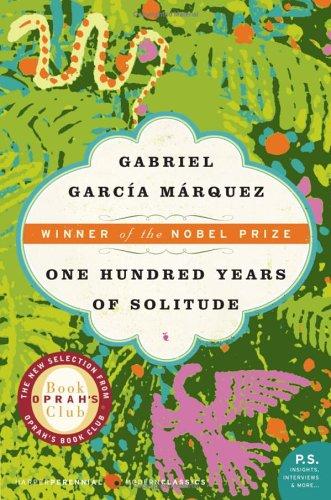
One Hundred Years of Solitude
Published in Spanish in 1967 and in Gregory Rabassa’s English translation in 1970, this novel follows seven generations of the Buendía family in the invented town of Macondo. Births, wars, inventions, and repetitions pile up until family history starts to feel like weather. The Harper Perennial edition 9780060883287 is a standard English paperback.
It is here because no other book on the list treats story as inheritance. Readers who want magical realism usually mean this exact blend of village gossip and impossible events told in a straight face. The difficulty is practical: repeating names and looping time can blur if you read it in scattered sittings.
It is a poor first classic if you need a single protagonist and a clean timeline. It is a strong choice if you want a novel that feels abundant, strange, and complete as a world.
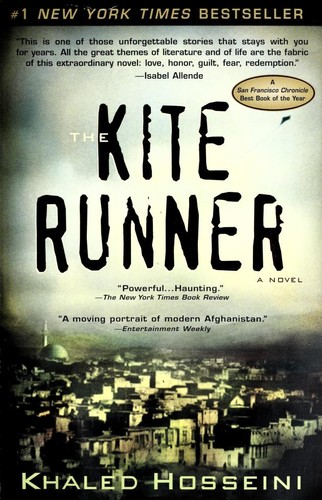
The Kite Runner
Khaled Hosseini’s 2003 debut, published by Riverhead Books, follows Amir, a privileged boy in Kabul, and Hassan, the son of his father’s servant. Their friendship is tested before Afghanistan’s late-century upheavals scatter the characters across countries. The novel is built as a confession: an adult narrator circling a childhood failure he cannot leave behind.
It is one of the most recommended modern story books because the plot is personal first and historical second. Readers who want to understand recent Afghan history through fiction often start here, then argue about whether the book is too neatly shaped. That neatness is also why it works as a story: cause and consequence stay visible.
It is emotionally direct and sometimes blunt. Readers who dislike sentimental framing, or who need to avoid depictions of child sexual violence, should choose another title. For others, it remains a hard book that is still easy to follow.
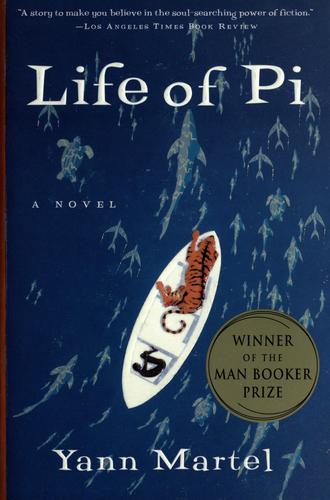
Life of Pi
Yann Martel’s Booker Prize-winning novel, first published in 2001, is framed as a story Pi Patel tells after surviving a shipwreck. The son of a zookeeper, he ends up in a lifeboat with animals, including a Bengal tiger named Richard Parker. The middle of the book is a survival narrative. The opening and closing insist that the way a story is told changes what it is.
It belongs on a list of story books because it is openly about storytelling. Readers who want adventure get a castaway plot. Readers who want philosophy get a debate about faith, zoos, and which version of events a person can live with. The Harvest/Mariner paperback 9780156030205 is a common edition.
The animal-at-sea section is slower than the premise suggests. If you want only maritime action, the religious and metafictional frame may feel like delay. If you like stories that ask you to choose among explanations, this is the most playful book here.
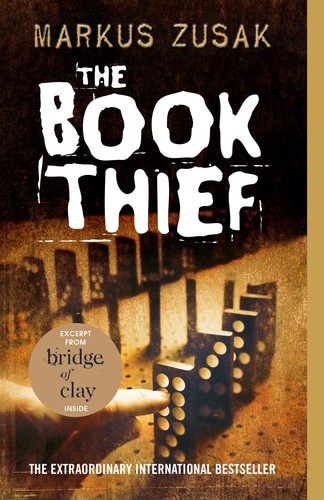
The Book Thief
Markus Zusak’s 2005 novel, published in the United States by Knopf in 2006, is set in Nazi Germany and narrated by Death. Liesel Meminger arrives at a foster home on Himmel Street, learns to read, and starts stealing books while the war closes in around ordinary neighbors. The American trade paperback ISBN-13 9780375842207 is widely available.
It is included because it gives younger and adult readers a story book that treats reading itself as an act with consequences. The narration is stylized, with bold asides and short bursts of summary, which some readers find fresh and others find mannered. The plot still does the basic work: attachment, risk, and the cost of looking after people the state has marked as disposable.
It is marketed to young adults but is not light. War deaths, antisemitism, and air raids are the setting, not a distant backdrop. Choose it if you want historical fiction with a strong voice; skip it if you want a war novel told in plain documentary style.
The Night Circus
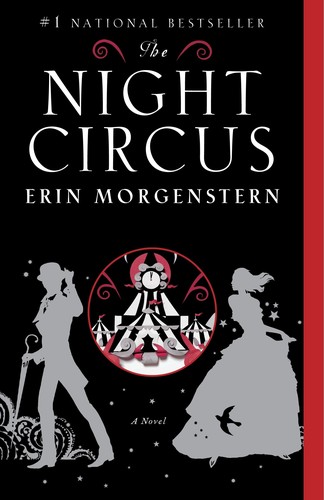
Erin Morgenstern’s 2011 debut, published by Doubleday, opens with a circus that appears without warning and operates only at night. Behind the black-and-white tents, two young magicians, Celia and Marco, have been bound to a competition their teachers designed. The Anchor paperback 9780307744432 is the common later edition.
This is the list’s modern enchantment pick. Readers who ask for story books with atmosphere, set pieces, and a love story stitched into a spectacle usually land here. The plot is a contest and a romance, but the real pleasure is the invention of tents, clocks, and midnight crowds. Compared with Coelho’s spare fable, Morgenstern gives you texture instead of maxims.
The limitation is pace. Some chapters linger on description more than conflict, and the large supporting cast can feel like a tour. It is a better match for readers who like mood and design than for those who want a lean thriller.
Little Women
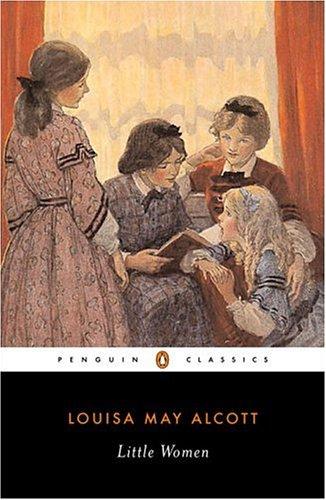
The first volume of Louisa May Alcott’s novel appeared in 1868 from Roberts Brothers; a second part followed in 1869 and is now usually bound with it. The book follows the March sisters—Meg, Jo, Beth, and Amy—through Civil War-era New England as they work, quarrel, put on plays, and test different versions of adulthood. Jo’s ambition to write is the story’s brightest thread.
It belongs among the best story books to read because it is built from scenes that still feel lived-in: Christmas without money, a neighbor next door, letters, illness, and the pressure to marry. Readers who want family story rather than a single quest keep returning to it. The Penguin Classics edition 9780140390698 is a solid annotated text.
Modern readers sometimes resist the moral lessons and the marriage settlements. That resistance is fair. The book is still stronger as a portrait of sisters than as a romance, which is why it sits beside Austen instead of replacing her.
A Gentleman in Moscow
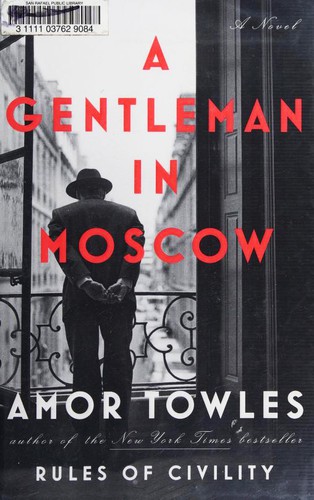
Amor Towles’s 2016 novel, published by Viking, confines Count Alexander Rostov to Moscow’s Metropol Hotel after a Bolshevik tribunal sentences him to house arrest in 1922. The count loses his suite, keeps his manners, and spends decades building a life from staff corridors, dining rooms, and the people who pass through a luxury hotel while the country outside changes. The first hardcover ISBN-13 is 9780670026197.
It closes the list because it is a contemporary story book that still feels classical: one character, one building, a long span of time. Readers who found older Russian novels intimidating often use this as a more companionable door. The pleasure is watching constraint produce invention rather than watching a plot race across continents.
The charm is also the risk. Some readers find the count too smooth and the hotel too cushioned for the history around it. If you want raw political fiction, Orwell or Achebe will serve you better. If you want courtesy, food, friendship, and a closed-circle plot, this is the gentlest long novel here.
How to choose among these 15
Start with length and temperature. The Alchemist, The Great Gatsby, and Things Fall Apart are short. The Count of Monte Cristo is a project. 1984 and The Kite Runner are brisk but emotionally harsh. Pride and Prejudice and A Gentleman in Moscow reward patience more than adrenaline.
Match the kind of story you want. For revenge and plot machinery, take Dumas. For family rooms and talk, take Alcott or Austen. For history that changes a person, take Hosseini, Zusak, or Achebe. For wonder, take Martel, Coelho, Morgenstern, or García Márquez. If a content note on assault, torture, or war is a hard limit, drop that title and pick from the remaining set rather than forcing the whole list.
Frequently asked questions
Are these story books for children or adults?
Most titles on this list are adult or crossover novels. Little Women and The Book Thief are often given to younger readers, but both contain hardship that some children will not want. Picture-book story collections are a different category and are not covered here.
Which of the 15 best story books to read is the easiest starting point?
The Alchemist and The Great Gatsby are the shortest widely available options. Pride and Prejudice is longer but easy to follow if you like conversation. To Kill a Mockingbird is the most common school-to-adult bridge. Save One Hundred Years of Solitude and The Count of Monte Cristo until you want a bigger commitment.
Do I need to read these books in any order?
No. They are standalone stories except Things Fall Apart, which is the first novel in Achebe’s African Trilogy but can be read on its own. Little Women is often printed with its 1869 continuation in one volume. Nothing else on the list requires a prequel.
Why are so many of these books classics instead of new releases?
Searchers asking for the best story books to read usually want titles that have already been tested by many readers, not only this season’s bestsellers. Newer novels can be excellent, but they have not yet collected the same long record of rereading, teaching, and argument.
Where should I get reliable editions?
For public-domain classics, a named publisher edition with notes—Penguin, Oxford, or a similarly edited text—prevents silent abridgment, which is a real problem with The Count of Monte Cristo. For modern titles, any in-print edition from the original publisher or its paperback line is fine.
Fifteen story books cannot cover every taste, but they can cover the main reasons people keep asking for stories: justice, love, survival, family, wonder, and the shock of history. Pick the title whose limits you can live with, then read that one all the way through before you worry about the rest of the list.