This article contains affiliate search links to Goodreads and Amazon. Purchases made through retailer links may earn a commission at no extra cost to you.
Classic books keep circulating for a practical reason: they still repay attention. Some do it with comedy and courtship. Others do it with politics, grief, or a voyage that refuses to stay small. The phrase “15 classic books to read” usually hides a simpler question: which titles are worth the hours if you are starting late, returning after school, or tired of lists that treat difficulty as a virtue.
This list keeps the number exact and the field wide. It mixes short novels with long ones, English-language staples with works in translation, and books people finish with books people argue about. The aim is not a ranking of greatness. It is a set of distinct reading experiences, with enough context to choose the next one well.
What makes a book a classic worth reading
A classic is not only old. It is a book later writers, teachers, and readers keep using as a reference point. That can mean a novel that changed the form, a story that still names a social problem, or a book whose sentences remain interesting after the plot is known. Age helps a title survive, but only if people keep finding reasons to open it.
Readers looking for classic books often want two different things at once: cultural literacy and an actual good time. Those goals overlap less often than listicles pretend. Austen and Dumas tend to convert skeptics. Melville and Tolstoy ask for stamina. Morrison and García Márquez demand attention to language and history. A useful starter list should include all four kinds of demand, then say so plainly.
15 classic books to read
The Odyssey
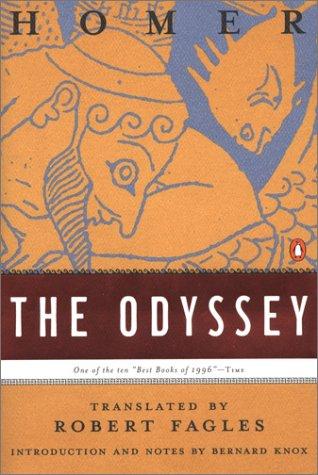
The Odyssey is the homecoming story that later adventure fiction keeps rewriting. After the war at Troy, Odysseus spends years trying to reach Ithaca while gods, storms, and hostile hosts delay him. The poem is as interested in hospitality, memory, and disguise as it is in monsters.
A modern verse translation matters here more than almost anywhere else on this list. Readers who bounce off older prose versions often do better with a lineated English text meant to be spoken. The book belongs among classic books to read because so much later literature borrows its shape: the delayed return, the clever survivor, the household waiting under pressure.
It is not a novel in the later sense, and that is part of the point. Episodes accumulate instead of tightening like a thriller. Readers who want a single continuous plot may prefer to begin with a shorter classic and come back when they are ready for an oral epic on the page.

Don Quixote
Don Quixote follows a gentleman who reads so many chivalric romances that he rides out to live inside them, with Sancho Panza as his earthbound companion. The joke is obvious at first: a man attacks the world with an outdated script. The book grows stranger and sadder as other people learn how to use that script against him.
It earns a place on a list of classic books to read because it is one of the early models of the novel itself: self-aware, episodic, funny, and interested in how stories colonize a life. Readers on recommendation threads often warn that it is long, then add that the comedy still works if the translation is lively. Edith Grossman’s English version is a widely used modern option.
This is not a tight quest with a single climax. It is a traveling double act that keeps testing illusion against hunger, pride, and ordinary weather. Start it when you can live with digression. The payoff is not speed. It is watching fiction invent a way to laugh at itself.

Pride and Prejudice
Pride and Prejudice watches Elizabeth Bennet and Mr. Darcy misread each other inside a small world where marriage is both romance and economic strategy. Austen’s sentences do the real work: they sound polite while cutting social performance to size. The plot is famous, but the pleasure is the timing of embarrassment, wit, and revised judgment.
It is often the first classic readers finish without feeling assigned. Community discussions repeatedly describe it as sharper and funnier than the costume-drama reputation suggests. That accessibility is why it belongs near the front of any 15 classic books to read. It teaches how a novel can be morally serious without being solemn.
Readers who want gothic weather or battlefield scope should look elsewhere on this list. Austen’s field of action is drawing rooms, walks, letters, and family noise. The limitation is also the design. Few books still explain status anxiety this clearly.

Frankenstein
Frankenstein is a nested confession about a student who builds a living being and then refuses the duties that follow. First published in 1818 and later revised, it is less a jump-scare novel than an argument about creation, abandonment, and what a person owes the life they make. The creature’s education and isolation are as central as the laboratory.
It belongs here because it sits at the joint between gothic fiction, science fiction, and moral philosophy. Readers coming from film versions are often surprised by how much of the book is Arctic frame, alpine landscape, and speeches about justice. That surprise is useful. The novel is foundational without being simple.
Choose an edition that flags whether it uses the 1818 or 1831 text. The story is compact compared with Tolstoy or Cervantes, which makes it a strong early classic. It is a poor choice only if you want the monster movie and nothing else.
Jane Eyre
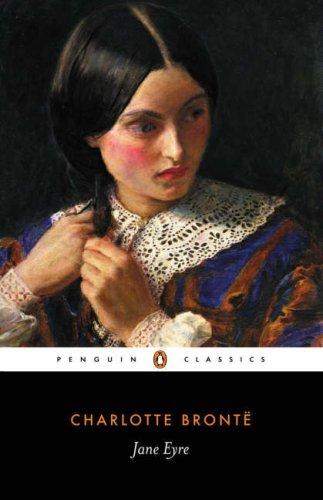
Jane Eyre follows an orphan who learns self-respect the hard way, first in a hostile household and school, then as a governess at Thornfield Hall. The novel is a bildungsroman and a love story, but it is also a brief for a woman who wants work, conscience, and attachment on terms she can accept. Jane’s voice is the hook: plain, proud, and hard to patronize.
It remains one of the most recommended classic books to read because it offers momentum without emptying out interior life. Readers who bounced off older prose often find Brontë more immediate than they expected. The book differs from Austen by admitting hunger, anger, and spiritual argument into the love plot.
It is not a light romance. Secrets at Thornfield matter, and the novel asks Jane to choose between desire and self-rule. Readers who dislike first-person intensity or Gothic atmosphere may prefer Dickens or Fitzgerald instead.
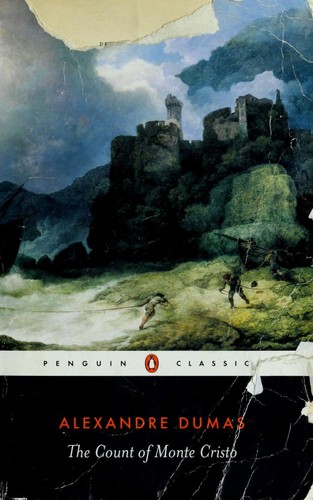
The Count of Monte Cristo
The Count of Monte Cristo begins with a young sailor ruined by envy and political panic, then rebuilds him as a man with money, aliases, and a long memory. Dumas serialized the novel in the 1840s, and the engine is still installment logic: capture, escape, education, return, and the slow arrangement of consequences. It is a revenge story that keeps asking what revenge does to the person who can afford it.
On reader forums this is the classic most often called surprisingly readable. People who expect homework instead find a large adventure with clear motives and theatrical timing. That is why it belongs on a practical list of 15 classic books to read. It proves that “classic” and “entertaining” are not opposites.
It is long. Abridgments exist, but they flatten the social machinery that makes the revenge feel designed rather than lucky. If you want a one-sitting classic, choose Gatsby or Frankenstein. If you want the book that converts non-classics readers, start here in a complete translation such as Robin Buss’s.
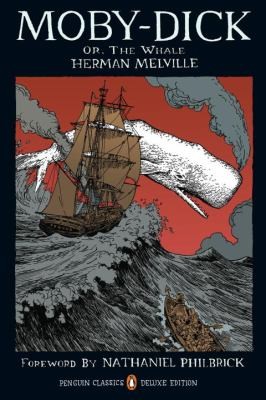
Moby-Dick
Moby-Dick sends Ishmael onto the whaling ship Pequod, where Captain Ahab’s hunt for a particular whale overtakes a commercial voyage. Published in 1851 and neglected for decades, it is now treated as a central American novel because it can hold sermon, comedy, technical catalog, and tragedy in one form. The whale is an animal, a symbol, and a job.
It belongs on this list because no other classic here is so openly mixed. Readers who love it usually mention the humor and the sentences. Readers who dislike it usually mention the cetology chapters. Both responses are fair. The book is a voyage and an encyclopedia of obsession.
This is a poor first classic if you need constant plot pressure. It is a strong choice if you want to see what a novel can do when it stops behaving. An annotated edition helps with the shipboard vocabulary without turning the read into homework.
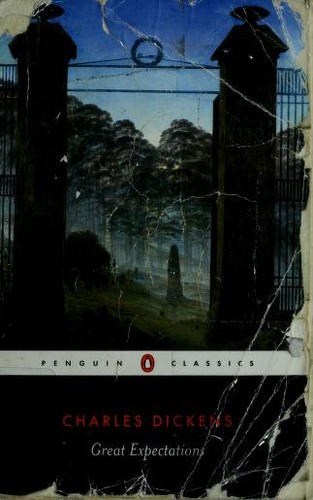
Great Expectations
Great Expectations is the story of Pip, a village boy whose life is bent by shame, sudden money, and a fantasy of becoming a gentleman. Dickens first published it in 1860–61, and it remains his most controlled novel of snobbery and debt, emotional as well as financial. Miss Havisham and Estella are famous; the more durable subject is how gratitude and humiliation educate a person.
Among Dickens titles, this one is the usual recommendation for readers who want the author’s energy without the full Victorian sprawl of Bleak House. It earns its place among classic books to read because it is both a social novel and a tightly personal one. The plot turns are serial-fiction sharp, but the moral accounting is slower.
It will feel dated in its sentiment and coincidences. That is a real limit. It still works if you care about class performance and the cost of being polished into someone unrecognizable to your origins.

Crime and Punishment
Crime and Punishment follows an impoverished former student in St. Petersburg who talks himself into a theory of exceptional people, then has to live with the act that theory seemed to justify. Serialized in 1866, the novel is less a whodunit than a study of fever, pride, charity, and the pressure of other lives in a tight city. Porfiry and Sonya pull the story in different directions: detection and conscience.
It is a standard recommendation in discussions of classic literature because it feels psychologically modern. Readers often say the first stretch is the hardest, after which the book becomes hard to put down. A recent translation such as Pevear and Volokhonsky’s helps keep the nervous energy intact.
This is not a gentle entry point. The book dwells on poverty, illness, and moral panic. Choose it when you want intensity. Choose Austen or Gatsby if you want classic form with more air.
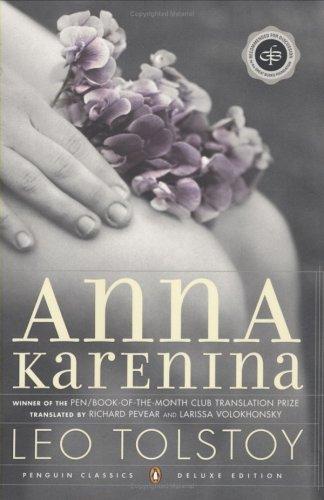
Anna Karenina
Anna Karenina sets a high-society love affair against the quieter experiments of Levin, a landowner trying to live honestly in work, marriage, and belief. Tolstoy published the novel in the 1870s. Its famous opening line about unhappy families is a fair warning: the book keeps several households in motion at once. Passion is only one of its subjects. Farming, bureaucracy, and the need to be seen are the others.
It is here instead of War and Peace because readers looking for 15 classic books to read can finish it more often, and because it shows Tolstoy’s gift for ordinary consciousness. The Pevear and Volokhonsky translation is a standard modern English choice. The novel’s scale is still large, but the scenes stay intimate.
Readers who want only the affair will be impatient with Levin’s chapters. Those chapters are not padding. They are the book’s second argument about how a life might be arranged. If you need a single-track plot, this is the wrong Tolstoy.
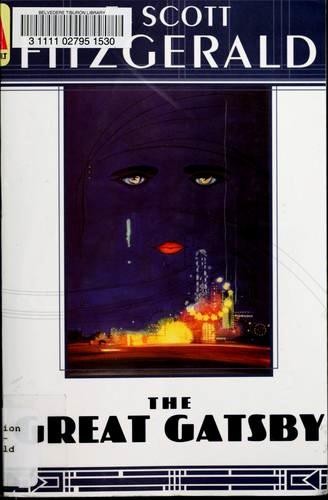
The Great Gatsby
The Great Gatsby is Nick Carraway’s account of a summer among the rich on Long Island, and of Jay Gatsby’s attempt to recover a love that money can stage but not restore. First published in 1925 by Scribner, it is short, patterned, and almost too quotable. The parties are the bait. The real subject is class, timing, and the American habit of treating the past as a property that can be reacquired.
It belongs on every compact list of classic books to read because it is both canonical and finishable in a weekend. School use has not emptied it out, though it has made some readers underestimate it. The authorized Scribner text is the usual edition to buy.
Its limit is scope. Fitzgerald’s world is narrow: wealth, desire, and the people who serve them. If you want social range, read Tolstoy or Morrison next. If you want to see how a short novel can feel inevitable, start here.
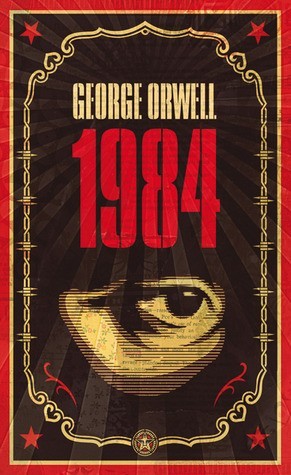
Nineteen Eighty-Four
Nineteen Eighty-Four, published in 1949, follows Winston Smith inside a one-party state that polices language, memory, and private life. The book’s vocabulary has leaked into common speech, which can make the novel seem more familiar than it is. Read closely, it is a workplace novel as well as a dystopia: poor food, bad apartments, official slogans, and the fear of being seen thinking.
It remains one of the classic books people actually finish because the premise is clear and the pressure rises in a straight line. That is also why it can feel schematic beside quieter realist novels on this list. Its value is diagnostic. It still names methods of political control that later books keep updating.
Readers who want world-building richness may prefer later speculative fiction. Readers who want a civic classic with few ornamental pages will find this one efficient and bleak. It is not subtle about pain.
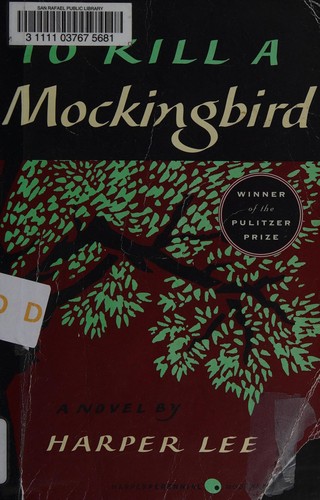
To Kill a Mockingbird
To Kill a Mockingbird, published in 1960, is Scout Finch’s memory of childhood in a small Alabama town during a criminal trial that exposes the town’s racial order. Lee’s Pulitzer-winning novel is warmer and funnier in its daily scenes than its courtroom reputation suggests. The child’s point of view is the formal choice that makes the book travel: Scout notices more than she can yet interpret.
It is one of the most widely taught American novels, which is both a reason to include it and a reason to reread it without the worksheet. Adult readers often come back for the texture of Maycomb rather than the moral slogan the book has been reduced to. It belongs among 15 classic books to read because it still shapes how many people first encounter fiction about justice.
The novel’s limits are real. Its perspective is that of a white child in a segregated town, and later criticism has argued with its consolations. Read it as a period novel with lasting scenes, not as the last word on the subject.
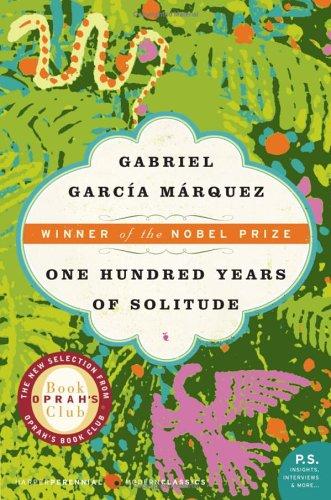
One Hundred Years of Solitude
One Hundred Years of Solitude, published in Spanish in 1967 and in Gregory Rabassa’s English translation in 1970, tells the story of Macondo through generations of the Buendía family. Names repeat. Time folds. Private acts become civic weather. The novel is the book most often used to explain magical realism to new readers, though the magic is only one tool. History, solitude, and the comedy of family recurrence do as much work.
It belongs on this list because it changed the map of world fiction and still reads like a creation myth for a town. Readers commonly warn one another to keep a family tree. That complaint is accurate and not fatal. The book’s music is easier to hear if you stop treating it like a dossier.
This is the wrong classic if you need strict realism or a single protagonist. It is the right one if you want a modern classic that feels older than its date and larger than one life.
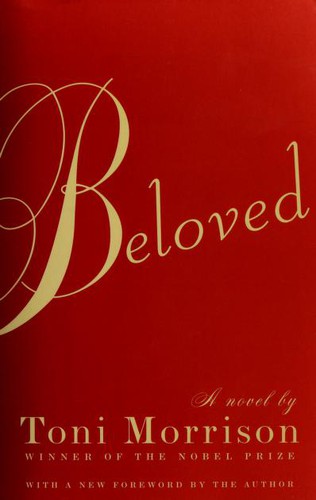
Beloved
Beloved, published in 1987, is set after the Civil War and concerns Sethe, a woman who escaped enslavement and is still living inside its aftermath. A house in Ohio holds memory the way other novels hold plot. Morrison’s language is exact and unquiet. The book treats the past as something that can arrive in a body, a voice, and a claim on the living.
It belongs among classic books to read because later American fiction keeps answering it. The novel won the Pulitzer Prize for Fiction and helped secure Morrison’s central place in the late-twentieth-century canon. Readers often say it is difficult not because the sentences are ornamental, but because the material refuses to stay at a safe distance.
This is not a starter classic in the Austen sense. It is a necessary one if the list is going to reach beyond the nineteenth-century European novel. Come to it when you can read slowly. The book is short by Tolstoy’s measure and heavy by almost any other.
How to choose among these 15 classic books
If you want a first classic that feels like pleasure rather than a course requirement, start with Pride and Prejudice, The Great Gatsby, or The Count of Monte Cristo. Those three differ in century and setting, but they share narrative pull. Jane Eyre sits just behind them: longer and darker, still driven by a voice you can follow.
If you want the books that explain why people argue about the canon, choose Moby-Dick, Don Quixote, or One Hundred Years of Solitude. They ask for patience and repay a different kind of attention. For political and historical pressure, read 1984, To Kill a Mockingbird, or Beloved, understanding that they are not interchangeable. One is a warning about systems, one is a child’s-eye civic novel, and one is a reckoning written from inside inherited trauma.
Length is a legitimate filter. Gatsby and Frankenstein are compact. Tolstoy, Dumas, and Cervantes are not. Translation is another filter. For Homer, Dostoevsky, Tolstoy, Cervantes, and García Márquez, a respected modern translation will change the experience more than cover art will.
Frequently asked questions
What counts as a classic book?
A classic is a book that later readers and writers keep using, teaching, or arguing with. Age helps, but circulation matters more. The titles here earned that status through long critical attention and continued reading, not through a single prize year.
Which classic book should I read first?
Most readers do better with Pride and Prejudice, The Great Gatsby, Frankenstein, or The Count of Monte Cristo than with Moby-Dick or Don Quixote. Start with a book whose sentences you can hear. Save the encyclopedic and multi-generational novels for when the habit is already there.
Are classic books hard to read?
Some are. Sentence rhythm, outdated social rules, and sheer length can slow a first attempt. Others, especially Austen, Dumas, Fitzgerald, and Lee, remain widely finished by new readers. Difficulty is uneven across the canon, which is why a mixed list is more useful than a warning label on the whole category.
Do I need to read these books in order?
No. Publication order is a neat display, not a required path. It can help to read The Odyssey before later adventure stories, or to read an Austen novel before later marriage plots, but each book on this list stands alone.
Why are classic books still worth reading?
They give you shared reference points and techniques later books assume you have seen. They also remain specific as stories: a woman revising her first judgment, a sailor arguing with a whale, a family repeating itself in Macondo. The useful test is not reverence. It is whether the book still does work once the prestige is ignored.
Fifteen titles cannot represent the whole history of the novel, let alone of literature. They can give a reader a usable map: comedy of manners, revenge adventure, psychological crisis, political nightmare, and books in which the dead do not stay polite. Pick the classic that matches your current stamina, finish it, and let the next one argue with the last.