This article contains search links to retailers. Purchases made through those links may earn a commission at no extra cost to you.
Your twenties are a long stretch of first apartments, unfinished identities, and relationships that refuse to stay in one category. Fiction will not give you a career plan, but the right novels can name the confusion with more precision than a timeline or a pep talk.
This list sticks to fiction and to books that keep appearing when readers, publishers, and discussion threads talk about this decade. The mix includes campus novels, immigrant epics, friendship sagas, and a few classics people reread once they have left school. Each title is here because it maps onto a specific pressure of early adulthood, not because it is vaguely 'important.'
What fiction in your 20s is actually for
Search results for books to read in your 20s are crowded with finance manuals and productivity titles. Those can be useful. They are not what this keyword is asking for. Fiction for this decade tends to circle a smaller set of problems: how to leave home without becoming a stranger to yourself, how ambition rearranges friendship, how class and race shape a city, and how a first serious attachment can outlast the version of you who started it.
Reader discussions return to the same complaints as often as the same praise. Some books feel too bleak. Some feel too tidy. A few school-assigned classics feel smaller on a second pass and larger on a third. The list below treats those reactions as useful sorting tools. If you want consolation, start later in the article. If you want a novel that will not flatter you, start with the darker titles and read the content notes first.
15 fiction books to read in your 20s
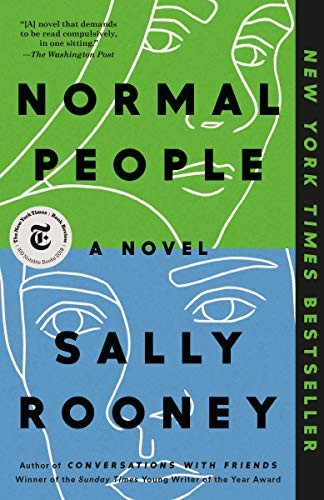
Normal People
Connell and Marianne grow up in the same small Irish town, then keep circling each other through school, university, and the first years of adult work. The plot is simple. The interest is in the gaps: who gets to be confident in public, who pays the rent, and how two people can know each other intimately without knowing how to stay.
The novel earned its place on this list because it is one of the most widely discussed portraits of twenty-something attachment in recent fiction. Readers often recognize the on-and-off pattern even when they dislike the characters. That split is useful. The book is less a romance to copy than a study of how class, shyness, and unspoken need keep two people slightly out of step.
It is a short read with a cool surface. If you want sweeping plot or warm resolution, it will feel thin. If you want to watch two people invent and revise a private language, it still earns the attention it gets.
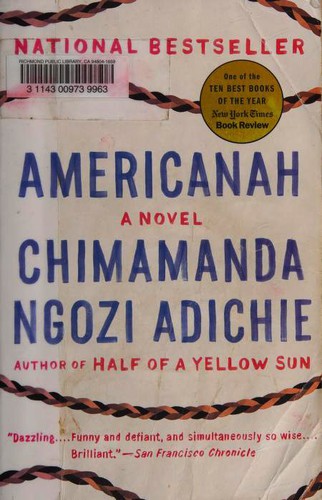
Americanah
Ifemelu leaves Nigeria for the United States; Obinze takes a harder route through Britain. The novel follows both of them through student visas, hair-salon politics, blogs, undocumented work, and the long delay of a love that began before either of them knew what leaving would cost.
This is one of the strongest fiction answers to the question of how a person becomes themselves in their twenties while also becoming a foreigner. Adichie is funny about campus manners and blunt about race as a learned American category. The book belongs here because it treats immigration, ambition, and first love as the same story rather than three separate themes.
It is longer and more essayistic than a typical relationship novel. Readers who want only the romance may grow impatient with Ifemelu's blog posts. Readers who want a novel that thinks in public will find that extra layer is the point.
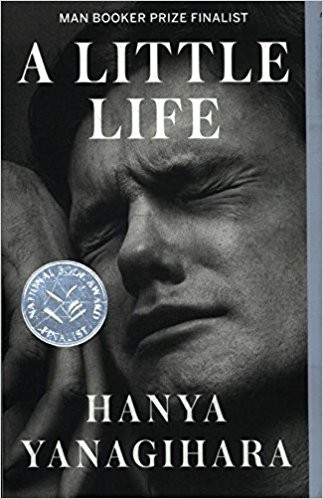
A Little Life
Four college friends move to New York and spend decades trying to build careers, apartments, and a chosen family around Jude, whose past keeps arriving in the present. The novel is as interested in success as it is in damage: law, art, cooking, and money all become ways the friends try to keep one another alive.
It appears on nearly every 'books for your 20s' fiction list because it starts where many twenties start, with a group of friends who think proximity will be enough. Community discussions are unusually split. Some readers call it the most affecting friendship novel they have read. Others stop because the violence of Jude's history is relentless. Both reactions are fair, and both should shape whether you pick it up now.
This is not a starter book for the decade. It is a long, high-intensity novel about caretaking, ambition, and the limits of love. Read it only if you want that intensity and can set it down.
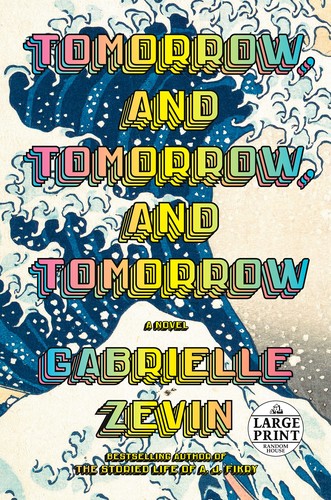
Tomorrow, and Tomorrow, and Tomorrow
Sam and Sadie meet as children, reconnect in college, and build a life around making games. The book follows their collaboration across decades of success, injury, envy, and the particular intimacy of people who are in love with the work they make together.
It fits a twenties reading list because so much of early adulthood is about finding a collaborator, not only a partner. Zevin writes ambition as both joy and trap. Readers often come for the video-game setting and stay for the argument the novel keeps having about who gets credit, who gets care, and what a creative partnership owes the people inside it.
If you want a traditional romance, the book will keep refusing that shape. If you want a novel about making things with a friend you cannot quite categorize, it is one of the better recent answers.
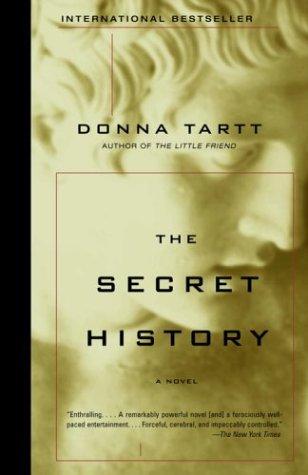
The Secret History
Richard Papen arrives at a small New England college and attaches himself to a closed circle of classics students. The group is glamorous, isolated, and already in motion toward a crime the novel announces early. The pleasure is not surprise. It is watching an outsider buy his way into a world that will not let him leave cleanly.
The book became a dark-academia touchstone for a reason that matters in your twenties: it understands the hunger to be chosen by a smarter room. Reader conversations still argue over whether the clique is seductive or merely unpleasant. That argument is part of the experience. Tartt writes beauty, snobbery, and moral drift with the same lush patience.
It is long, wintery, and more interested in atmosphere than justice. Skip it if you want likable friends. Pick it up if you remember the exact feeling of wanting to belong to the most intimidating table on campus.
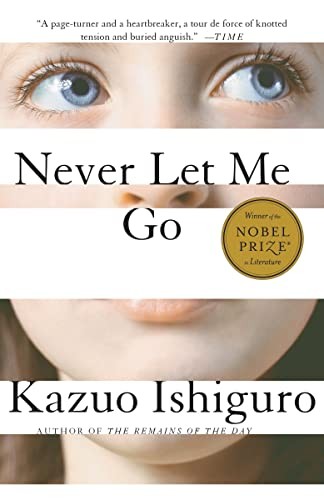
Never Let Me Go
Kathy looks back on Hailsham, the English boarding school where she grew up with Ruth and Tommy. The school is tender and slightly wrong. As the three of them move into early adulthood, the purpose of their sheltered childhood becomes clearer, and so does the limited future attached to it.
The novel belongs on a twenties list because it is about discovering, too late, the rules that were always governing your life. Ishiguro keeps the science-fiction premise quiet so that friendship, jealousy, and first love can do the real work. Readers often mention the book's calm voice as more unsettling than a louder dystopia.
It is short and deceptively gentle. If you want action or a rebellious climax, you will not get one. If you want a novel about what people accept because they were taught to call it ordinary, this is the one.

The Midnight Library
Nora Seed is certain she has lived the wrong life. A library between life and death lets her open books that lead into other versions of herself: different jobs, cities, relationships, and abandoned talents. Each life is a test of whether a different choice would have solved the original unhappiness.
The novel is one of the most recommended contemporary fiction titles for readers in their twenties because it literalizes a question that decade never stops asking: what if I had chosen otherwise? Some readers find the structure comforting. Others find the philosophy too tidy. That split is worth knowing before you start. The book is clearest when it treats regret as a habit rather than a puzzle with one correct answer.
It is accessible and high-concept. Pair it with a tougher novel on this list if you want friction after the consolation.
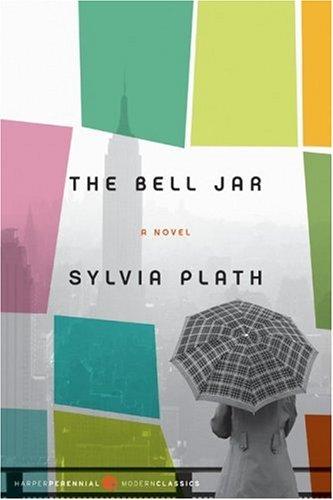
The Bell Jar
Esther Greenwood wins a New York magazine internship and watches the promised glamour of early success fail to hold. The novel follows her through the summer, the return home, and a psychiatric crisis that Plath renders with a clarity that still startles. Ambition and paralysis sit in the same young woman.
It remains a twenties novel because Esther is dealing with the moment when talent, gender rules, and mental illness collide and no available adult role looks livable. Readers still come to it after first encountering Plath as a poet. The fiction is dryer and funnier than the myth around it, which is why it survives rereading better than its reputation as pure confession.
It is not a secret guidebook to getting well. It is a precise record of how a gifted person can lose the plot of her own future. Read it with support nearby if the subject is close.
The Catcher in the Rye
Holden Caulfield has been expelled again and spends a few days wandering New York, talking to anyone who will listen and judging almost everyone who does. The book is famous for teenage voice, but plenty of readers only understand Holden's mix of tenderness and contempt after they have left school and recognized the fear under the performance.
It stays on twenties lists because it is less about high school than about the panic of not knowing what kind of adult you can stand to become. Community threads often split between people who found Holden unbearable at sixteen and people who found him newly familiar at twenty-four. That delay is common. The novel's slang has aged. The suspicion that every institution is selling a counterfeit version of sincerity has not.
If you already read it as an assignment, the reread is the point. If the voice still grates, you can leave it behind without missing the rest of this list.
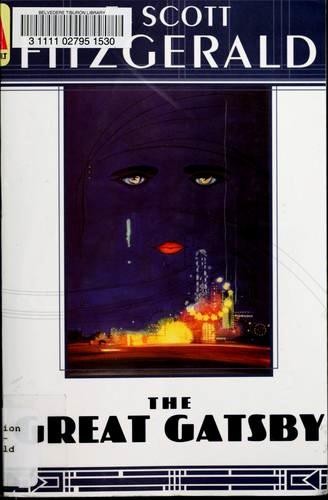
The Great Gatsby
Nick Carraway rents a house next to Jay Gatsby and watches a man try to force the past to return in the shape of Daisy Buchanan. The parties are famous. The more useful material for a reader in their twenties is the way money rearranges friendship, desire, and the story people tell about their own origins.
The novel is short enough to reread in a weekend and durable enough to change meaning after you have wanted something badly. School versions often flatten it into a packet of symbols. Read as adult fiction, it is a study of self-invention and of how glamour hides a bill that someone else will pay.
It will feel slight if you want interiority on the scale of a contemporary doorstopper. It will feel exact if you have already watched someone build a life as advertisement.
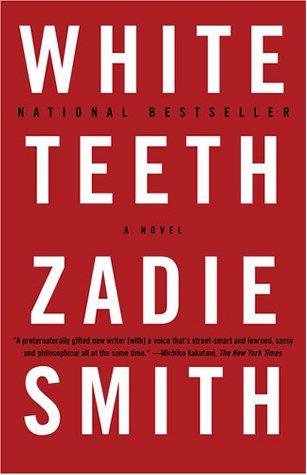
White Teeth
Archie Jones and Samad Iqbal survive the war and then try, with mixed success, to raise families in a London that will not stay still. Their children inherit arguments about faith, science, race, and what counts as belonging. The novel keeps several plots in the air and treats coincidence as one of the city's native languages.
Smith's debut is on publisher twenties lists because it is a comic epic about becoming an adult inside history you did not choose. For a reader leaving home or moving cities, the book's noisy households are a useful counterweight to solitary campus novels. It is interested in second-generation life without turning that life into a single lesson.
It is busier and funnier than most literary coming-of-age books. Readers who want a tight single-character study may find the ensemble scattered. Readers who want a city novel with jokes and bite will be at home.

The Namesake
Ashoke and Ashima Ganguli leave Calcutta for Massachusetts. Their son Gogol grows up inside a name he did not choose and a set of loyalties he cannot make line up. The novel moves from the parents' first winter to Gogol's adult relationships, treating each stage as a slightly different translation problem.
This is one of the clearest fiction accounts of second-generation twenties: the apartment you can finally afford, the partner who does not understand your parents, the sudden weight of a funeral or a wedding that reorders your calendar. Lahiri's sentences stay quiet on purpose. The emotion arrives through objects, train rides, and names rather than speeches.
It will feel too restrained if you want maximalist drama. It will feel exact if you have ever introduced yourself two different ways depending on the room.
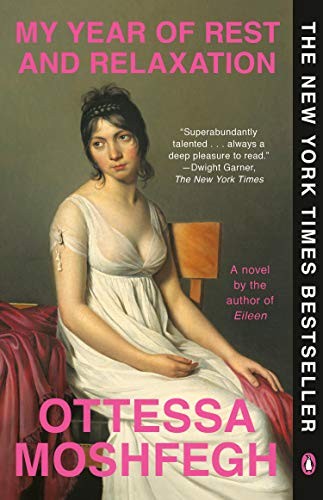
My Year of Rest and Relaxation
A young Columbia graduate on the Upper East Side decides the solution to grief, boredom, and contempt for other people is to sleep for a year. She has an inheritance, a terrible psychiatrist, and a best friend she cannot stop injuring. The year 2000 ticks underneath the pills.
The novel shows up in conversations about post-college drift because it takes numbness seriously without asking the reader to admire it. Some readers find the narrator magnetic. Others find her cruel. Both are reading the same person. Moshfegh is writing a satire of privilege and a study of dissociation, and the book works only if you can hold those together.
It is not a wellness narrative. If you want likable company or a gentle reset, choose another title. If you want a black comedy about checking out of adult life, this is the sharpest recent version.
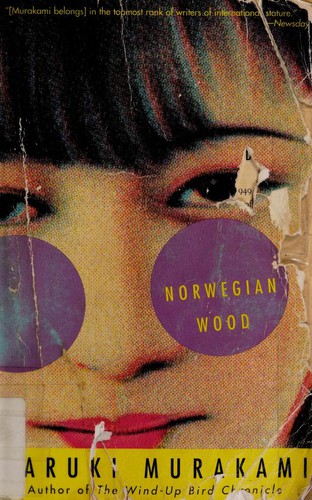
Norwegian Wood
Toru Watanabe looks back on his Tokyo student years and the two women who defined them: Naoko, bound to a shared loss, and Midori, who keeps pulling him toward a livelier present. The novel is one of Murakami's more realist books, closer to campus weather and record shops than to talking cats.
It is a frequent recommendation for readers in their twenties because it treats first love as something that can be both sincere and unequal to the people inside it. The 1960s setting gives the book a protest-era backdrop without turning Toru into a political hero. What remains is loneliness, sex, friendship, and the fear that the person you love is disappearing into a private weather system you cannot enter.
Readers who know Murakami for surreal novels sometimes find this one plainer. That plainness is why it belongs here. It is a mood piece, and the mood is early adulthood after someone has already died.
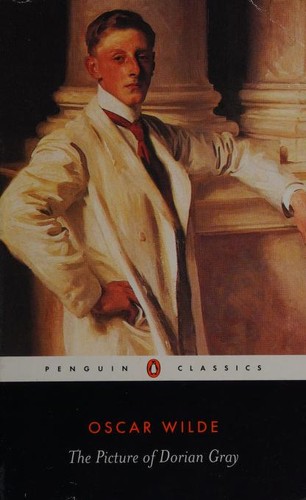
The Picture of Dorian Gray
Dorian Gray stays beautiful while a portrait in the attic absorbs the cost of his life. Around him, Lord Henry talks aesthetic philosophy into a weapon and Basil Hallward tries to love the person he painted. The plot is a moral fable. The sentences are the reason it still reads as pleasure.
Penguin and other twenties lists keep recommending it because it is a young-person's book about wanting to remain unfinished. Vanity, influence, and the wish to live without consequence are not nineteenth-century problems. Readers in discussion threads often treat it as the more stylish cousin of campus corruption stories: a warning that is also a seduction.
It is short, quotable, and less subtle than a modern psychological novel. That is not a flaw here. Read it when you want a classic that argues with you instead of a contemporary book that mirrors you.
How to choose from this list
If you want books that sound like the present tense of dating and work, start with Normal People, Tomorrow, and Tomorrow, and Tomorrow, and Americanah. If you want friendship under pressure, choose A Little Life only after reading the content notes, or choose Never Let Me Go for a quieter version of loyalty.
If school classics still feel unfinished, reread The Great Gatsby or The Catcher in the Rye instead of adding another contemporary novel out of obligation. If you are drawn to identity across countries and families, The Namesake, Americanah, and White Teeth cover related ground with very different temperatures. Leave The Midnight Library and Dorian Gray for moments when you want a premise you can explain in one sentence. Leave Moshfegh and Plath for when you can tolerate a narrator who will not comfort you.
Frequently asked questions
Do these 15 books to read in your 20s have to be contemporary fiction?
No. The most useful twenties lists mix recent novels with a few older books that change meaning after you leave school. A classic belongs here only if it still speaks to ambition, class, identity, or first love, not because it is famous.
What if I already read The Catcher in the Rye or The Great Gatsby in high school?
Reread them only if you are curious whether the book feels different now. Many readers find Holden and Gatsby less like assigned symbols and more like case studies in self-performance once they have rented their own place. If the voice still feels dead, skip them and use the contemporary titles instead.
Is A Little Life a good book to read in your 20s?
Only if you want a long friendship novel and can handle graphic trauma. It is recommended constantly for this decade because it begins with post-college friends in New York. It is also one of the titles readers most often warn others about. The content notes are not optional.
Are coming-of-age novels the only fiction worth reading in your twenties?
No. Several books on this list follow characters past the first job and first apartment. White Teeth, Americanah, and Tomorrow, and Tomorrow, and Tomorrow are as interested in work, family, and reputation as they are in growing up. Coming-of-age is a theme here, not a rule.
Should I read self-help instead of fiction in my 20s?
Read both if you want both. Fiction will not teach you to budget or set boundaries the way a practical book can. It can show how those problems feel from the inside, which is the job this list is trying to do.
Fifteen novels will not organize a decade, but they can keep you company while the decade refuses to organize itself. Start with the book whose limitation you can live with, not the one with the loudest reputation. The point is not to finish a syllabus. It is to find one or two voices that make your own confusion sound less private.