This article may contain affiliate links. If you buy a book through those links, a site may earn a commission at no extra cost to you.
The search for 13 books to read as fiction novels is rarely a request for the one true canon. It is usually a request for a finite list: novels that are widely discussed, still in print, and different enough from one another that a reader can start with temperament rather than guilt.
The thirteen titles below are all novels, all repeatedly recommended across critic lists and reader forums, and all chosen because they do distinct work. Some are short and sharp. Some ask for patience. None is included only because it is famous.
What this list of fiction novels is for
Fiction novels earn a place on a reading list when they do more than report events. They organize a world through character, sentence, and pressure. That is why the same handful of titles return in library holdings, prize histories, classroom syllabi, and informal Reddit threads: they give readers a shared language for class, power, love, memory, and moral choice.
A numbered list of 13 is useful because it forces tradeoffs. This one mixes nineteenth-century social novels, twentieth-century American and African fiction, Latin American magical realism, and two later dystopias. The point is not to finish a checklist. It is to match a book to the kind of attention you can give it now.
13 fiction novels worth reading

Pride and Prejudice
Austen’s 1813 novel remains the most approachable entry on many fiction lists because its comedy is social, not slapstick. Elizabeth Bennet has to judge a cluster of suitors, neighbors, and relatives in a world where marriage is both affection and economic strategy. The plot is famous, but the pleasure is in how quickly first impressions harden and how slowly they loosen.
Readers who bounce off older prose often stay with this one because the dialogue does so much of the work. The book belongs here as a model of the marriage-plot novel that is also a study of class, wit, and self-correction. It is less a museum piece than a compact argument about how people talk themselves into error.
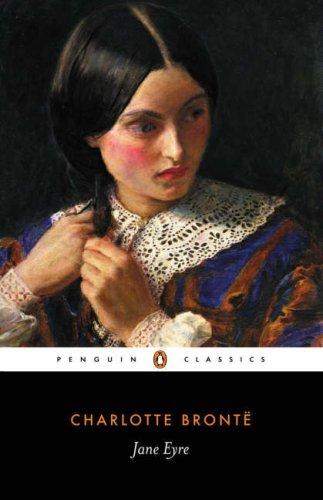
Jane Eyre
Published in 1847, Jane Eyre follows an orphaned governess who wants both independence and attachment, and who refuses to treat those desires as opposites. The novel moves from a harsh childhood to Thornfield Hall, where Jane’s work, conscience, and feeling collide. Brontë’s first-person voice is more heated than Austen’s, which is why the book still splits readers into those who find it stirring and those who find it overwrought.
It belongs on a list of fiction novels to read because it established a lasting template: the plain heroine who claims moral authority. The gothic atmosphere is real, but the engine is Jane’s insistence on a livable self. Readers looking for a classic with emotional force, rather than drawing-room coolness, usually start here.
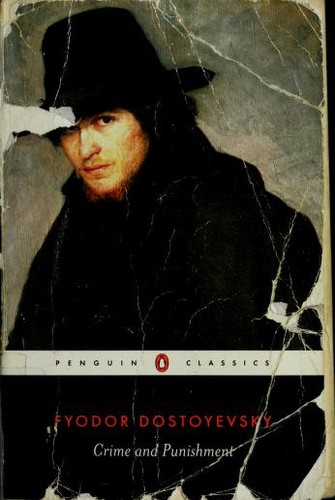
Crime and Punishment
Dostoevsky’s 1866 novel is the most psychologically claustrophobic book on this list. A poor former student in St. Petersburg commits a crime he has already justified in theory, then discovers that theory does not protect him from heat, hunger, suspicion, and the need to talk. The investigation is almost secondary to the argument happening inside one mind.
Readers on forums often call it the original modern crime novel, then warn that the length and feverish interiority can stall a first attempt. That tension is why it belongs here. It is not included as homework. It is included because few fiction novels make guilt feel as physical, or make a city feel as close to a nervous system.
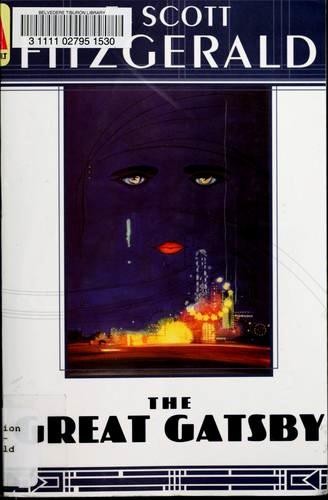
The Great Gatsby
Fitzgerald’s 1925 novel is short enough to finish in a sitting and dense enough that the sitting does not feel cheap. Nick Carraway watches Jay Gatsby’s pursuit of Daisy Buchanan across Long Island parties that glitter and then go sour. The book is often sold as a love story; it is more accurately a study of money, timing, and the stories people tell about their own past.
It earns a place among fiction novels to read because it shows how little plot a novel needs when the sentences do the judging. Readers who find it over-taught in school often return later and notice the coldness under the glamour. Those who want a compact American classic without a 700-page commitment should start here rather than with thicker contemporaries.
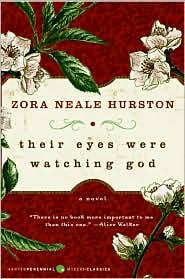
Their Eyes Were Watching God
Hurston’s 1937 novel follows Janie Crawford through three relationships in early twentieth-century Florida, listening as she learns the difference between being spoken for and speaking. The book’s fame now can hide how unusual it was: a Black woman’s interior life rendered in voice, folklore, and weather rather than in protest rhetoric alone.
It belongs on this list because so many reader discussions treat it as the novel that made later American fiction possible. The dialect is part of the design, not decoration, and some first-time readers need a page or two to hear it. Those who want a classic built around desire, work, and self-definition, rather than a courtroom or a war, will find this the most lived-in book here.
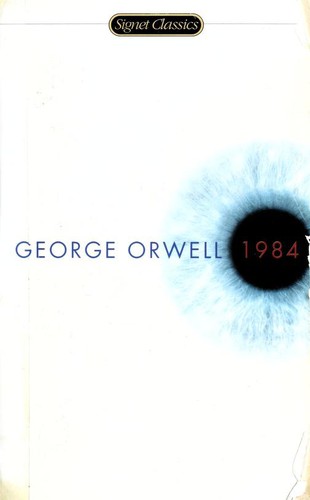
1984
Orwell’s 1949 novel remains the most cited political fiction on general reading lists because its terms leaked into ordinary speech. Winston Smith works inside a system that rewrites records, polices private thought, and treats language as an instrument of rule. The plot is a waking-up story that keeps asking how much of a person can survive once public truth is broken.
The book is here because readers still use it as a first dystopia, then argue about whether it is prophecy, period piece, or both. It is more schematic than some later novels on this list, which is also why it teaches cleanly. Anyone looking for a fiction novel that connects immediately to news-cycle language will find this the most portable title of the thirteen.

Things Fall Apart
- Series
- The African Trilogy
Achebe’s 1958 novel is the first book of his African Trilogy and the one most often recommended as a starting point for modern African fiction in English. It follows Okonkwo, a celebrated wrestler and farmer in an Igbo community, as personal rigidity meets a colonial order that does not need him to understand it. The novel’s force comes from showing a complete social world before that world is spoken over.
Readers regularly praise its clarity and then note that its tragedy is structural, not merely individual. That is why it belongs among fiction novels to read rather than only among history supplements. It is short, exact, and unsentimental. Readers who want a classic outside the usual British-American circuit should put this near the top of the thirteen.
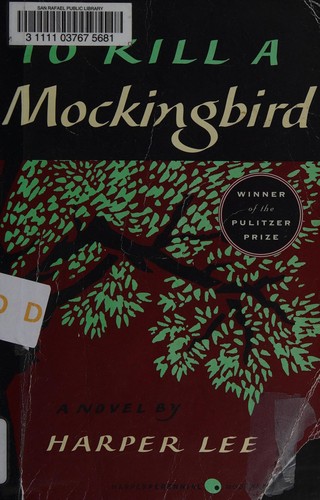
To Kill a Mockingbird
Lee’s 1960 novel is still one of the most widely owned American fiction books because it lets a child narrate an adult crisis. Scout Finch watches her father defend a Black man in a Depression-era Alabama town and learns how courtesy, gossip, and law can occupy the same street. The book’s reputation as a moral primer is both its strength and the reason some adult readers outgrow its framing.
It stays on this list because it remains a common first serious novel, and because later rereading often changes what looks simple. Compared with Beloved or Invisible Man, it is gentler in method even when the subject is not gentle. Readers who want an accessible American novel about justice, without modernist difficulty, usually begin here.
One Hundred Years of Solitude
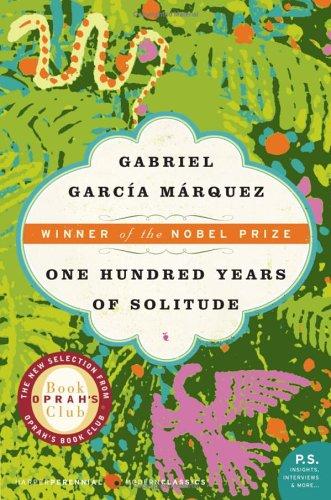
García Márquez’s 1967 novel tells the story of Macondo through generations of the Buendía family, letting repetition, names, and wonders accumulate until history itself starts to look circular. The book is the standard example of magical realism for many English-language readers, which can make it sound lighter than it is. The marvels sit next to war, forgetting, and the grind of family pattern.
It belongs here because it expands what a fiction novel can hold without becoming an encyclopedia. First-time readers often struggle with the repeating names; that confusion is part of the design. Anyone who wants a lush, crowded alternative to the tight psychological novel should choose this over Gatsby or Never Let Me Go.
The Handmaid's Tale
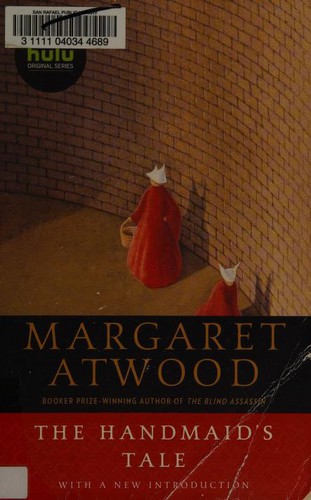
Atwood’s 1985 novel imagines a theocratic United States in which a woman known as Offred is conscripted for reproduction. The narration is careful and withheld, which is why the book still works after the television adaptation made its images familiar. It is less an action plot than a record of how a person keeps a private language when public speech is dangerous.
The novel is on this list because it is one of the few late-century fiction novels that general readers and political conversations still share. Compared with 1984, it is more intimate and more concerned with gendered power. Readers who want speculative fiction grounded in recognizable American institutions will get more from this than from a space opera.
Beloved
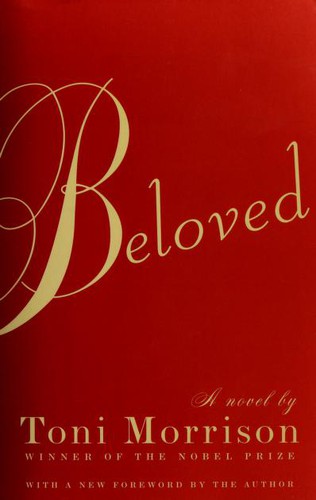
Morrison’s 1987 novel, later awarded the Pulitzer Prize, follows Sethe after she has fled enslavement and finds that the past will not stay buried in Ohio. The book treats memory as a force with weight and appetite. Its structure is demanding: time folds, voices overlap, and the supernatural is not a garnish.
It belongs among these fiction novels because critic polls and reader arguments keep returning to it as a central American book. It is harder than To Kill a Mockingbird and less linear than The Kite Runner, which is the point. Readers ready for a novel that asks them to assemble meaning, and willing to sit with historical horror, should not skip it for something smoother.
The Kite Runner
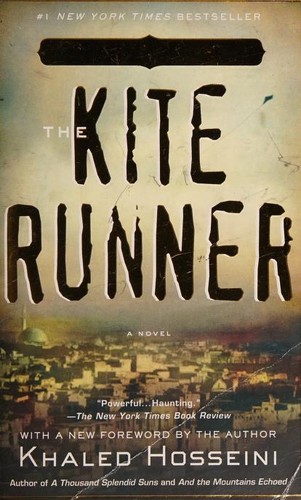
Hosseini’s 2003 novel is the most conventionally plotted contemporary book on this list, which is why many readers use it as a bridge into literary fiction. It follows Amir from a Kabul childhood into exile and back, using friendship, class, and a long-delayed attempt at repair as its spine. The history of Afghanistan is not background; it keeps changing what loyalty can cost.
Forum threads often praise its momentum and criticize its coincidences. Both reactions are fair. It is here because a list of fiction novels to read should include a widely shared twenty-first-century novel that is emotionally direct without being trivial. Readers who bounce off modernist difficulty can start here and still meet a serious subject.
Never Let Me Go
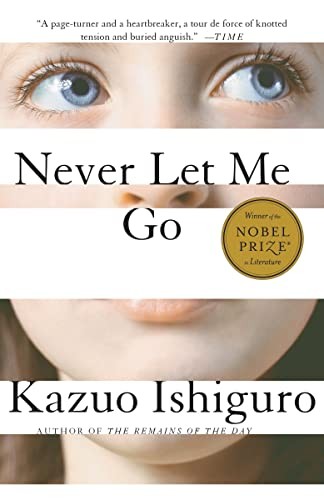
Ishiguro’s 2005 novel looks at first like a boarding-school memory. Kathy H. looks back on Hailsham and on two classmates whose lives were arranged before they understood the arrangement. The speculative premise stays quiet for a long time, which is why the book unsettles readers who came for either pure realism or loud science fiction.
It closes this list because it shows what a contemporary fiction novel can do with restraint. Compared with 1984 or The Handmaid’s Tale, it is less interested in the machinery of the state and more interested in what people tell themselves in order to stay kind. Readers who prefer implication to announcement, and who can accept a muted ending, should save this for when they want precision rather than spectacle.
How to choose among these 13 fiction novels
If you want speed and polish, start with The Great Gatsby or Pride and Prejudice. If you want a first political dystopia, choose 1984 or The Handmaid’s Tale. If you want a modern story with a clear plot, The Kite Runner is the least formally demanding of the later books.
If you have patience for voice and structure, Their Eyes Were Watching God, Beloved, and One Hundred Years of Solitude repay slower reading. Crime and Punishment asks for the most stamina. Things Fall Apart and Never Let Me Go sit in the middle: short enough to finish, serious enough to linger. Match the book to your current attention span rather than to a sense of obligation.
Frequently asked questions
What fiction novel should I read first from this list?
Start with Pride and Prejudice or The Great Gatsby if you want a short classic with a strong voice. Start with The Kite Runner if you want contemporary pacing. Save Beloved, Crime and Punishment, and One Hundred Years of Solitude until you can give them uninterrupted time.
Are these 13 books all literary fiction?
Most of them are discussed as literary fiction, but they are not one genre. The list includes a comedy of manners, a gothic bildungsroman, a crime novel, dystopias, a family saga, and a quiet speculative novel. The shared trait is that character and language do as much work as plot.
Do I need to read these novels in historical order?
No. Publication order can show how the novel form changed, but it is not a reading requirement. A better method is to alternate a demanding book with a shorter one so the list does not stall.
Which of these fiction novels are the most difficult?
Crime and Punishment is long and interior. Beloved and One Hundred Years of Solitude ask readers to tolerate fractured time and large casts. Never Let Me Go is easy to read sentence by sentence and harder in implication. Difficulty here is more about structure and emotional pressure than vocabulary.
Are there content warnings I should know before starting?
Yes. Several titles include racial violence, sexual assault, slavery, state torture, or child harm. The notes under individual books flag the issues that are part of the published text. If you need a less brutal starting point, begin with Austen, Fitzgerald, or Ishiguro rather than Morrison, Atwood, or Hosseini.
These 13 fiction novels are not a ranking of the greatest books ever written. They are a practical set of starting points: different countries, centuries, and degrees of difficulty, each still in active circulation among readers. Pick the one that fits the week you actually have, then let that book suggest the next.