This article includes affiliate links. Purchases made through those links may earn a commission at no extra cost to you.
Lists of must-read books for women keep circulating because readers want more than a pile of famous titles. They want books that explain how women get talked about, paid, loved, constrained and remembered. The keyword itself is a list request: thirteen books, not a single review and not a theory syllabus.
The thirteen titles below mix novels, a landmark essay, philosophy, memoir and data-driven nonfiction. They appear again and again in publisher roundups, book-blog aggregates and reader threads when people ask what women should read at least once. Each entry is here for a different job: some teach wit and self-respect, some document harm, some give language for work and public life.
What “must-read books for women” usually means
Searchers are rarely asking only for books written by women, and they are not always asking for feminist theory. They want books that center women’s choices, limits, friendships, money, bodies and voices. Classics stay on these lists because later novels still answer them. Newer titles stay because they name problems older books could not yet measure.
Reader conversations also split the category. Some people want comfort and sisterhood. Others want tools: how institutions treat women as an afterthought, how a family can block education, how a state can police reproduction. A useful list has to hold both kinds of reading without pretending every book will suit every mood.
13 must-read books for women

Pride and Prejudice
First published in 1813, Austen’s most famous novel follows Elizabeth Bennet as she judges, misjudges and revises her view of the people around her. Marriage is the plot engine, but the real subject is how a woman without independent wealth has to read character, class and timing with almost no margin for error. The comedy is sharp rather than sweet.
The book earns its place on must-read lists because it treats a woman’s intelligence as the main event. Elizabeth’s refusals matter as much as her attractions. Readers still come to it for the banter, then stay for the portrait of sisters, money anxiety and social performance. It is not a manual for modern dating. It is a durable study of how first impressions protect pride and punish women who speak plainly.
Jane Eyre
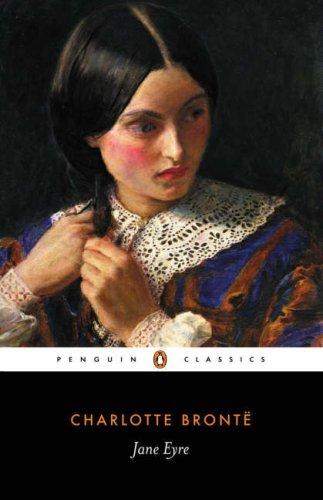
Published in 1847 under the name Currer Bell, Jane Eyre follows an orphaned governess who insists on moral and emotional equality with a man who has more money, more secrets and more social cover. The novel moves from a harsh childhood household to a charity school and then to Thornfield Hall, where work, desire and self-respect collide.
Lists of books for women keep returning to Jane because she wants love without surrendering her conscience. The Gothic atmosphere is not decoration; it makes the cost of dependence visible. Some readers come for the romance and find a stubborn argument about paid work, education and the right to leave. The book is longer and darker than Austen, and it asks more patience for interior monologue. That intensity is the reason it still marks so many readers.
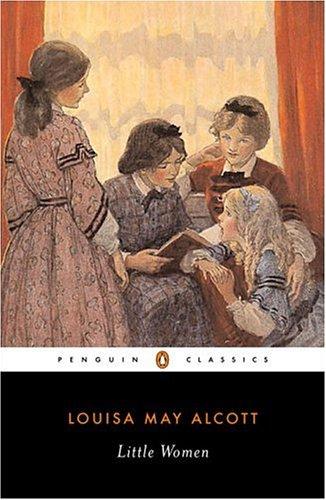
Little Women
- Series
- Little Women
Alcott published the first part of Little Women in 1868 and completed the March sisters’ story the following year. Meg, Jo, Beth and Amy grow up in a cash-strapped New England household while their father is away during the Civil War. Ambition, duty, illness and courtship all compete for the same limited room.
The novel remains a must-read because it takes girlhood seriously as a workshop for adult identity. Jo’s hunger to write is not a cute side trait; it is the book’s engine. Later sequels follow Jo into teaching and family life, but this first volume is the one readers mean when they say every woman should know the March sisters. It can feel moralizing by current standards. It also shows how sisterhood can be both shelter and friction, which is why rereading it in adulthood often changes the favorite sister.
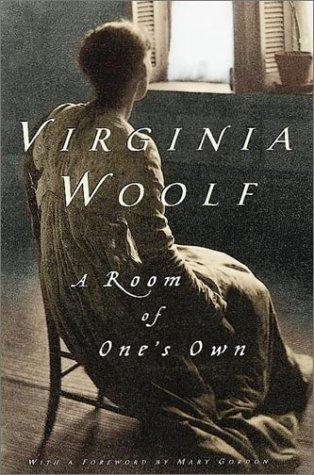
A Room of One's Own
Woolf’s 1929 book grew out of lectures she gave at Cambridge women’s colleges. It argues, with circling wit, that a woman needs money and private space if she is going to write. Along the way Woolf invents Judith Shakespeare, a gifted sister who never gets the conditions her brother does, and she looks hard at how literary history was stocked.
The essay is short enough to finish in an evening and dense enough to keep quoting. That combination is why it appears on almost every serious list of books for women. Woolf is not offering a career plan. She is naming the material facts behind “talent.” Readers who bounce off her fiction often find this book clearer. Readers who already love Mrs Dalloway will hear the same mind working in a more direct key. It remains a baseline text for conversations about time, pay and creative work.
Their Eyes Were Watching God
Hurston published this novel in 1937 after writing it quickly in Haiti. Janie Crawford tells a friend the story of her life in Florida, including early marriages arranged or accepted for safety and a later attempt to live on her own terms. The book is famous for its voice: spoken Black Southern English rendered as art, not as dialect joke.
It belongs here because so many “books for women” lists still treat white European heroines as the default. Janie’s question is not only whom to love. It is whether a Black woman can claim a self that is not owned by grandmother, husband or town gossip. The novel was dismissed by some of Hurston’s male contemporaries, then revived later, notably through Alice Walker’s advocacy. Readers should know it is a love story and a language event, not a protest novel in the expected key. That difference is part of its power.
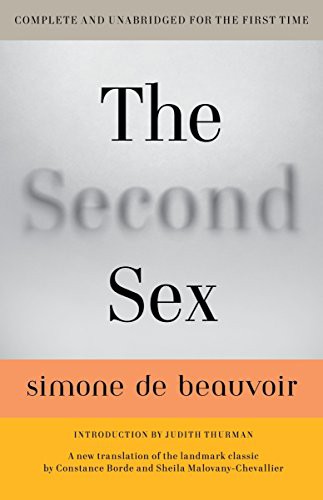
The Second Sex
Beauvoir’s 1949 study, later issued in a complete English translation by Constance Borde and Sheila Malovany-Chevallier, treats “woman” as a historical and social position rather than a natural fate. The famous line that one is not born, but becomes, a woman is the doorway, not the whole house. Biology, myth, work, marriage and aging all get examined at length.
This is the hardest book on the list and the one that still sits underneath later feminist writing. It belongs among must-read books for women because so many later arguments assume its vocabulary of otherness. It is also the title readers most often abandon. The Vintage complete edition is long, philosophical and dated in places, including discussions of race and sexuality that later feminists have challenged. Start with the sections on childhood and married life if the whole book feels impossible. Even a partial reading changes how the other titles on this list sound.
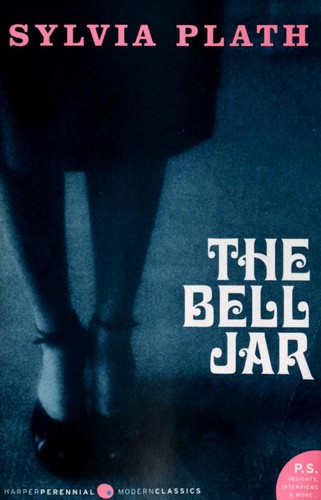
The Bell Jar
Plath’s only novel appeared in 1963, first in the United Kingdom under a pseudonym. Esther Greenwood wins a magazine guest-editorship in New York, then finds that the prize life on offer does not hold. The book tracks a breakdown with a clarity that made it a standard text for readers thinking about ambition, sex, medicine and the narrow scripts available to mid-century young women.
It stays on must-read lists because it refuses to treat a woman’s mental crisis as a private defect. The title image, a glass jar lowering over a life, is exact. Community discussions often warn that the book can be bleak and that it is easy to confuse Esther with Plath’s biography. Both points are fair. Read it as fiction that knows the cost of being told you can do anything while being handed a small set of acceptable futures. It is not a self-help book and should not be used as one.
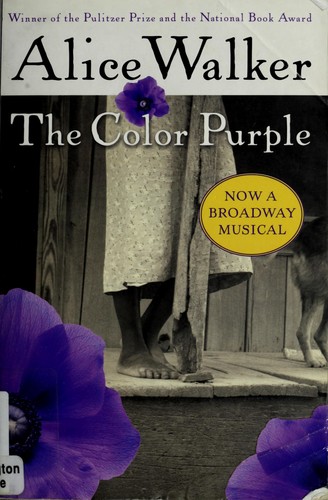
The Color Purple
Walker’s 1982 epistolary novel, which won the Pulitzer Prize and the National Book Award, is told mainly through letters by Celie, a young Black woman in the rural South. The form lets a silenced speaker build a self in writing. Love between women, work, faith and the long work of leaving harm all move through the correspondence.
The book is a must-read because it insists that a woman’s life can be rebuilt after the institutions around her have failed her. It is also one of the most challenged novels in American libraries, which tells you how much force it still carries. Readers looking for a gentle sisterhood story will find something tougher. The novel’s later stage is about making a world, not only surviving one. That turn is why it sits beside Hurston and Morrison rather than in a general historical-fiction pile.
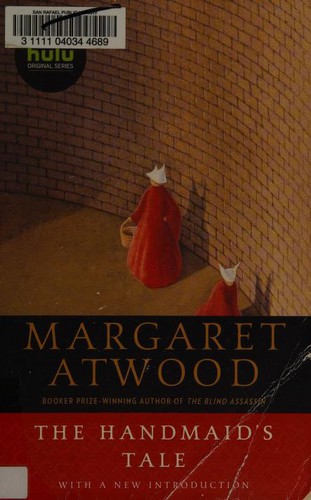
The Handmaid's Tale
- Series
- The Handmaid's Tale
Atwood’s 1985 novel is set in Gilead, a theocratic regime that reduces fertile women to reproductive function. Offred, a Handmaid assigned to a Commander’s household, narrates in a voice that notices everything she is no longer allowed to name. Atwood has described the book as speculative fiction assembled from practices that had already existed somewhere.
It dominates modern lists of books for women because it turns political abstraction into daily texture: shopping tokens, restricted speech, the policing of friendship. The later sequel, The Testaments (2019), answers questions the first book leaves open, but this novel stands alone. Some readers now come from the television adaptation and find the book quieter and more interior. That quiet is the point. It shows how a woman’s memory becomes a form of resistance when public language is confiscated.
Beloved
Morrison’s 1987 novel, which won the Pulitzer Prize, begins after the Civil War in a Cincinnati house that will not stay quiet. Sethe has escaped slavery and is trying to make a life with her daughter Denver when the past arrives in a form the household cannot manage with ordinary talk. Morrison based the premise on the historical case of Margaret Garner without writing a simple documentary.
Beloved belongs on a list of must-read books for women because it treats a mother’s love, a daughter’s hunger and a community of women as the ground of American history, not as a subplot. The supernatural element is not a genre garnish. It is how the book makes memory physical. Readers often say it is difficult. It is. The sentences ask to be heard aloud. Skip it only if you need a light book; do not skip it because you think you already know what a slavery novel does.
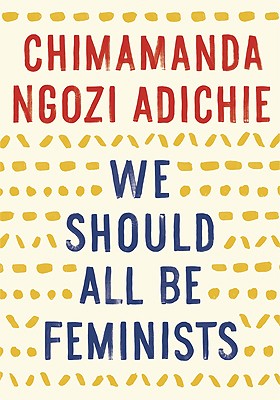
We Should All Be Feminists
This 2014 book expands Adichie’s 2012 TEDxEuston talk. In a slim Anchor paperback it uses scenes from Nigeria and from travel to define feminism as a practical demand for equality, not a personality type. Adichie is specific about money, manners, parenting and the social punishment that follows women who appear ambitious.
It is on this list because it is the contemporary on-ramp many readers actually finish. Where Beauvoir is a mountain, Adichie is a clear path. That accessibility is also the limitation: the book cannot do the historical work of Woolf or the data work of Criado Perez. Use it as a shared language, then read onward. Community conversations often praise its tone and argue about later public debates around Adichie; those debates do not erase the usefulness of this particular essay as a first text.
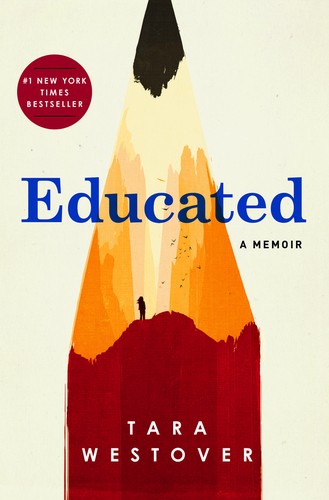
Educated
Westover’s 2018 memoir begins in the mountains of Idaho, in a survivalist family that kept her out of school. She enters a classroom for the first time at seventeen, then studies at Brigham Young University, Harvard and Cambridge. The book is less a triumph-over-odds speech than a record of what education costs when it rearranges loyalty.
It belongs among must-read books for women because the barrier is not only poverty or law. It is a household’s claim on a daughter’s mind. Readers repeatedly recommend it when the question is how a woman leaves a script she was told was love. Family members have disputed parts of the account, which is common with memoirs of family rupture and worth knowing before you treat every scene as uncontested record. The value of the book is the portrait of self-invention under pressure, not a courtroom brief.
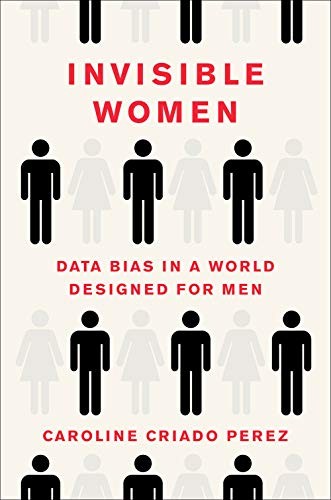
Invisible Women
Published in 2019, this prize-winning nonfiction book argues that much of the modern world is built on data that treats men as the default. Criado Perez moves through transport, workplaces, medicine, disaster planning and product design to show how the gap is practical, not abstract. Women wait longer, pay more and receive worse care because systems were not measured with them in mind.
The book closes this list because it answers a question the novels can only dramatize: why ordinary infrastructure still fails women. It is widely recommended in both feminist reading lists and workplace conversations. It is also dense with studies, so it reads more like investigative nonfiction than a manifesto. Some readers want more on race and global South contexts than the book supplies. Even with that limit, it is one of the clearest recent explanations of why “neutral” design is rarely neutral.
How to choose among these 13 books
If you want a first classic, start with Pride and Prejudice or Little Women. If you want the argument underneath modern feminism, read A Room of One’s Own or We Should All Be Feminists before attempting The Second Sex. If you want American books that center Black women’s lives, read Their Eyes Were Watching God, The Color Purple and Beloved as a cluster, not as interchangeable titles.
Match the book to your tolerance, not only to your politics. The Bell Jar, Beloved, The Color Purple and Educated are heavy. Invisible Women is factual rather than narrative. The Handmaid’s Tale is the most widely discussed contemporary novel here and pairs naturally with the older essays if you want a themed month of reading. Skip any title that you already know well and replace it with a neighboring book from the same cluster rather than forcing a complete set.
Frequently asked questions
Do must-read books for women have to be feminist theory?
No. Reader lists usually mix novels about women’s lives with a smaller set of essays and research books. Theory helps, but most people searching this phrase want stories and arguments they can finish, not a graduate syllabus.
Should these 13 books be read in order?
Publication order shows how the conversation changes, from marriage plots to data gaps. It is not required. A better method is to pair one older novel with one modern nonfiction title so the older book does not sit in a museum case.
Which book is the best starting point?
We Should All Be Feminists is the shortest on-ramp. Pride and Prejudice is the most approachable classic. Invisible Women is the strongest start if you want contemporary evidence rather than fiction. The Second Sex is the worst first book unless you already like philosophy.
Are these books only for women?
No. The phrase names the center of attention, not a gate. Several titles on this list are routinely recommended to anyone who wants to understand how law, work, family and literature have treated women.
What do readers often complain about on lists like this?
Common complaints are too many white Euro-American classics, too much trauma, and the recycling of the same ten titles. This list keeps the unavoidable classics and adds Hurston, Walker, Morrison, Adichie, Westover and Criado Perez so the set is not only nineteenth-century courtship and mid-century manifesto.
These 13 must-read books for women do not cover every life or every region. They do cover the questions that keep sending people back to the same search: who gets to speak, who gets a room, who gets counted and what it costs to leave a role that looks like love. Read the ones that fit your stamina, then let the gaps in the list send you toward books this article did not have room to hold.