This article contains search links to retailers. If you buy a book after following those links, a site may earn a commission at no extra cost to you.
A short book is not a consolation prize. The titles below are complete stories, most of them under 200 pages depending on the edition, that readers keep recommending when they want something they can finish without losing the plot of their own week.
This list mixes contemporary novellas that dominate current discussion with older books that still get named first in forums and library roundups. The point is not to pad a reading goal. It is to match length with a story that actually ends.
What counts as a short book
Publishing does not use one official page count. A common working range treats a novella as roughly 20,000 to 50,000 words, which often prints as 80 to 200 pages. Novels can also land under 200 pages when the type is compact or the story is tightly cut. Page counts still shift by edition, font, and extras such as introductions.
Readers looking for short books usually want two things at once: a story that can be finished in an afternoon or a weekend, and a book that does not feel unfinished. The fifteen titles here are chosen because they are repeatedly recommended for both reasons, and because their publication details can be checked against publishers and library records.
15 short books worth finishing
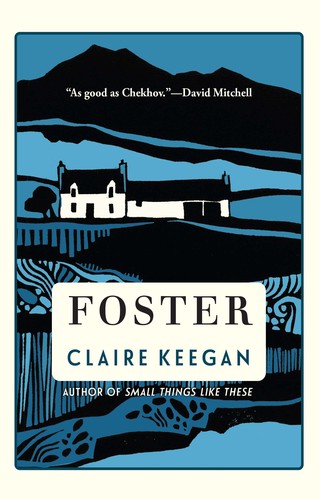
Foster
A girl in rural Ireland is driven to relatives for the summer while her mother prepares to give birth. She does not know how long she will stay. In the Kinsella household she finds order, attention, and a kind of care that her own crowded home has not made room for.
Keegan writes in short, exact sentences that leave space around what the child notices and what the adults refuse to say. The book belongs on a short-book list because it is brief without being slight: the whole story turns on a few weeks, a few rooms, and one carefully guarded household secret.
Readers who bounce off maximalist novels often finish this in a sitting and then keep thinking about the last pages. It is a poor match for anyone who wants plot machinery or a large cast. The film adaptation The Quiet Girl follows the same outline, but the novella’s power is in what it withholds.
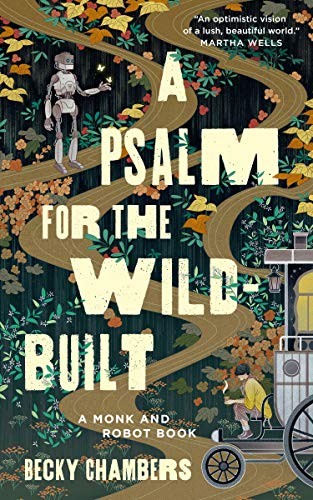
A Psalm for the Wild-Built
- Series
- Monk & Robot
On the moon of Panga, robots walked away from human factories centuries ago and have not been seen since. Sibling Dex, a tea monk who travels from village to village listening to tired people, meets one of those robots on a forest road. The robot has a question that sounds simple and is not.
Chambers is interested in kindness as a practical problem: how to live well after a society has already solved the usual crises. The book is science fiction without a war, a heist, or a ticking bomb. That is why slump readers name it so often. It asks for attention, not endurance.
It will frustrate anyone who wants high-stakes conflict or a dense invented history. The sequel exists, but this first volume is a finished conversation, not a truncated pilot.

Animal Farm
The animals of Manor Farm overthrow the farmer and try to run the place on equal terms. The pigs take the lead. Slogans multiply. The rules on the barn wall begin to change. Orwell published the book in 1945 as a satire of Stalinist politics, and it has stayed in print because the pattern it describes is easy to recognize in other places.
It is short enough for a commuting week and plain enough that younger readers sometimes meet it first as a talking-animal story. Adults usually read it as a study of how revolutions protect their managers. That double life is part of why it keeps appearing on short-book lists.
The prose is direct. The allegory is not subtle. Readers who want psychological interiority or moral ambiguity in every character will find the animals drawn as types on purpose.

Convenience Store Woman
Keiko Furukura has worked at the same Tokyo convenience store since university. The job gives her a script: greet, restock, match the manual. Outside the store, relatives and coworkers keep asking why a woman in her thirties has not married, changed jobs, or become someone easier to explain.
Murata, translated by Ginny Tapley Takemori, writes the store as a habitat rather than a punchline. The comedy is dry. The pressure to look normal is not. Readers who like office novels or stories about people who do not want the standard life often finish this in an evening and argue about whether Keiko is content or trapped.
It is not a romance and not a makeover story. Anyone expecting a conventional character arc toward self-expression may find the ending stubborn on purpose.
Of Mice and Men
George and Lennie travel California ranch country during the Depression, taking whatever work they can find. George is sharp and tired. Lennie is large, devoted, and unable to keep his strength in check. They share a plan for a small place of their own that neither man can quite afford to stop repeating.
Steinbeck wrote the book to be read aloud as well as on the page, which is why the scenes feel staged and why it remains a classroom staple. It earns a place among short books because the friendship is fully drawn in a little more than a hundred pages, and because the ending is prepared without being advertised.
The novella is blunt about poverty, disability, and the limited choices available to itinerant workers. Readers who want a gentle pastoral should look elsewhere. Readers who want to see how little space a tragedy needs will understand why this title never leaves the short-classics lists.
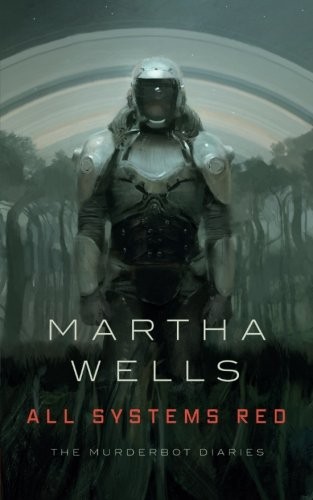
All Systems Red
- Series
- The Murderbot Diaries
A security cyborg assigned to a survey team on a distant planet has hacked its governor module. It wants to watch serials and be left alone. When another team on the planet goes silent, the construct that calls itself Murderbot has to decide how much human trouble is worth its time.
Wells writes action with a dry interior monologue that readers often describe as the reason they finish the novella in one night. The science fiction is corporate and practical: contracts, feed data, poorly designed weapons, people who talk too much. Humor does a lot of the work that exposition would do in a longer book.
This is the start of a series, but the first mission has a beginning, middle, and end. Readers who dislike first-person snark or artificial-person narrators will bounce. Readers coming off dense space opera often use it as a reset.

Small Things Like These
In a small Irish town at Christmas in 1985, coal merchant Bill Furlong is busy enough to ignore what he does not want to see. A delivery to the local convent makes that harder. The town’s silences, the Church’s authority, and Furlong’s own childhood begin to press on the same point.
Keegan’s second widely read short novel is colder and more public than Foster. Where Foster stays inside a farmhouse, this one looks at a whole town’s habit of looking away. It was shortlisted for the Booker Prize and later filmed with Cillian Murphy, which is why it now appears on nearly every short-book list published after 2021.
The prose is still spare. The moral problem is not. Readers who want holiday comfort should know the season is setting, not mood. Readers interested in recent Irish history will recognize the Magdalene laundry system in the background without needing a lecture.
The House on Mango Street
Esperanza Cordero grows up in a Chicago neighborhood and wants a house that is hers, not a landlord’s and not a father’s. Cisneros tells the year in vignettes: neighbors, jobs, names, the girls who get out and the girls who do not. Each piece can stand alone. Together they make a coming-of-age novel that still gets assigned, reread, and recommended as a short book that does not feel like homework.
The language is plain and rhythmic. That is why it works for younger readers and adults at the same time, and why it is a useful contrast to the denser short classics on this list. Nothing here depends on a twist. The movement is Esperanza deciding what kind of woman she will refuse to become.
Readers looking for a single continuous plot may find the vignette structure loose. Readers who care about voice will understand why the book has stayed in print since 1984.
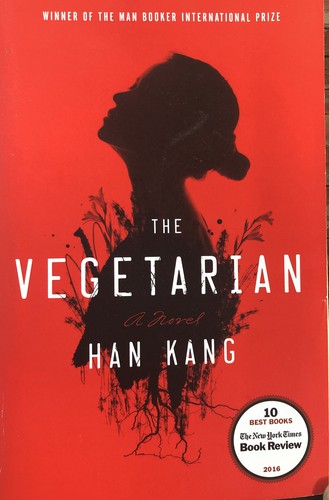
The Vegetarian
Yeong-hye, a woman in Seoul who has tried to be unremarkable, stops eating meat after a series of dreams. Her husband, her family, and later her sister’s husband each try to interpret or use that decision. Han Kang tells the story in three parts, from three vantage points, in Deborah Smith’s English translation.
The book won the International Booker Prize and later helped introduce Han to a much larger audience after she received the Nobel Prize. It is short, but it is not light. Readers who come to it from lists of quick reads sometimes underestimate how bodily and severe the middle section becomes.
It belongs here because it is a complete novel that many people do finish in a day, and because it shows a different use of brevity: compression rather than gentleness. Skip it if you want a soothing short book. Read it if you want to see how a private refusal can unmake a household.

The Old Man and the Sea
Santiago, an aging Cuban fisherman, has gone weeks without a catch. He rows farther out than usual and hooks a marlin that will test every remaining skill he has. The contest is simple on the surface: one man, one fish, the sea. Hemingway treats it as a fable about endurance after luck has already left.
The 1952 novella won the Pulitzer Prize and is part of the case that later won Hemingway the Nobel Prize. It remains one of the shortest books people still call a major American novel. The sentences are short. The repetition is deliberate. That style is either the reason readers finish it in two hours or the reason they bounce.
There is little dialogue and almost no subplot. Anyone who wants social texture or a large cast should pick Cisneros or Baldwin instead. Anyone who wants to see how far a single situation can be stretched should start here.
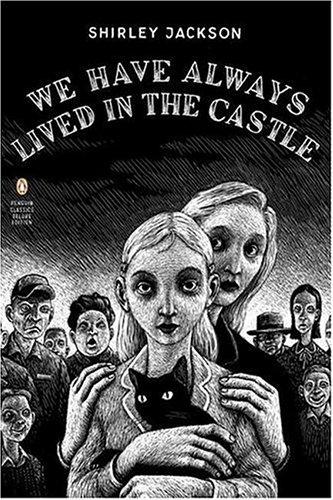
We Have Always Lived in the Castle
Merricat Blackwood lives in the family mansion with her sister Constance and their uncle Julian. Most of the rest of the family is dead. The village nearby is hostile. Cousin Charles arrives and treats the house as a problem he can solve. Merricat treats Charles as a problem she can unmake.
Jackson’s last novel is shorter than The Haunting of Hill House and, for many readers, stranger. The voice is the whole trick: a young woman who sounds childlike until you notice how carefully she manages the household’s rules, charms, and punishments. That voice is why the book keeps landing on lists of short books people finish and then immediately reread.
It is gothic without needing ghosts. Readers who want a conventional mystery with a clean reveal may feel teased. Readers who like closed houses, unreliable narrators, and social dread are the audience this book has always had.

Train Dreams
Robert Grainier works as a laborer in the Idaho panhandle in the early twentieth century, helping to cut timber and lay rail through country that is already changing around him. Marriage and fatherhood arrive. So does fire. The rest of his life is an attempt to live beside that loss while the West modernizes without asking him.
Johnson first published the story in The Paris Review before it appeared as a standalone novella from Farrar, Straus and Giroux. Critics often call it an epic in miniature because it covers decades without ever sounding crowded. That compression is the reason it fits a short-book list better than Johnson’s longer novels.
The book is episodic and plain until it is not. Readers who need a tight plot engine may find it wandering. Readers who like landscape, work, and grief handled without speechifying tend to finish it in an afternoon and remember specific images for years. A film adaptation has brought new readers to the same slim text.

The Stranger
Meursault, a French Algerian clerk in Algiers, attends his mother’s funeral without performing the grief other people expect. Soon afterward he becomes involved in a killing on a beach. The second half of the book is less about the act than about a society trying to make the man who did it look like a recognizable kind of monster.
Camus published L’Étranger in 1942. Matthew Ward’s American English translation is the edition most U.S. readers now meet. The novel is short because the narrator refuses ornament. That flatness is the style, not a missing chapter.
It is a standard recommendation for readers who want philosophy without a textbook, and a poor recommendation for readers who need a likable narrator. The colonial setting and the victim’s limited presence on the page are part of the book’s problem and part of why later critics keep arguing with it.
Giovanni's Room
David, a young American in 1950s Paris, has proposed to a woman who is traveling. While she is gone he falls into an affair with Giovanni, an Italian bartender. Baldwin is less interested in scandal than in the gap between what David wants and what he can admit he wants.
Published in 1956, the novel is short enough to read in an evening and dense enough that readers often treat it as a book they need to sit with afterward. It remains one of the most cited short novels about desire, shame, and the stories men tell themselves about manhood. Baldwin writes rooms, bars, and mornings after with the same precision other writers spend on plot twists.
There is no comfort ending baked into the premise. Readers looking for a love story that saves both men should choose a different book. Readers who want to see how much interior life a slim novel can hold are the reason this title keeps appearing beside longer Baldwin works.
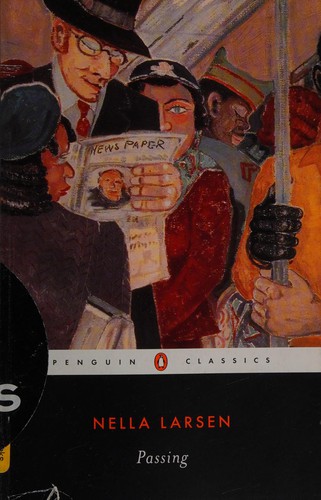
Passing
Irene Redfield, a Black woman living in Harlem, reconnects with Clare Kendry, a childhood friend who now lives as a white woman married to a man who does not know her history. Their meetings are social, then charged, then dangerous. Larsen published the novel in 1929; it has returned to wide circulation through classroom use and a later film.
The book is short because Larsen does not explain the central arrangement so much as watch it fray. Race, class, desire, and respectability share the same rooms. Readers who come from contemporary passing narratives often find this one colder and more interior than they expected.
It is a strong close to a short-book list because it proves brevity can hold a social system, not just a single incident. Readers who want a plot that announces its meaning will find Larsen’s reserve frustrating. Readers who like novels that end on a question rather than a speech tend to rate it among the best short American books they have read.
How to choose among these fifteen
If you want warmth without slackness, start with Foster or A Psalm for the Wild-Built. If you want a book that moves, start with All Systems Red or Of Mice and Men. If you want a classic that still argues with the present, start with Animal Farm, Passing, or The Stranger.
Length is not the same as ease. The Vegetarian and We Have Always Lived in the Castle are short and demanding. Convenience Store Woman and The House on Mango Street are short and socially sharp. Match the book to your tolerance, not only to your available hours. Page counts also vary by edition, so treat “under 200 pages” as a range rather than a guarantee.
Frequently asked questions
How many pages is a short book?
There is no single industry cutoff. Many readers and libraries treat books under about 200 pages as short. Award rules often define a novella by word count, commonly around 17,500 to 40,000 or 50,000 words. Editions of the same title can differ by dozens of pages because of type size, introductions, and trim.
Are short books less serious than long novels?
No. Several books on this list have won or been shortlisted for major prizes, including the Booker Prize, the International Booker Prize, the Hugo Award, the Pulitzer Prize, and the Nobel Prize. Brevity usually means a narrower situation, not a smaller idea.
What short book is best for a reading slump?
Community threads often point to A Psalm for the Wild-Built, All Systems Red, Foster, and Convenience Store Woman because the pages turn without requiring a study guide. Avoid starting a slump recovery with The Vegetarian or The Stranger if you need momentum more than unease.
Do page counts include introductions?
Sometimes. Classics reprints may add prefaces, notes, or study material that inflate the printed page count even when the story itself is novella-length. If you are choosing by length, check whether the listed pages describe the text or the whole package.
Should I read Foster or Small Things Like These first?
Either works as a standalone. Foster is more intimate and child-centered. Small Things Like These is more public and wintery. Readers who want the gentler entry usually start with Foster.
Short books are useful because they make a full artistic claim in the time most people actually have. The fifteen here are not interchangeable: some comfort, some indict, some just keep you company for an afternoon. Pick by tone first, length second, and you are less likely to waste the sitting.