This article may contain affiliate links. If you buy a book through those links, we may earn a small commission at no extra cost to you.
Aesthetic books are not a formal genre. Online, the phrase usually means two things at once: a physical object that photographs well, and a story whose setting, prose, or mood matches a visual world people already love, from candlelit libraries to overgrown gardens.
This list keeps the number exact and stays close to that search. The eighteen titles below mix dark academia, cottagecore, mythic atmosphere, quiet nature writing, and a few books famous first as objects. They differ in pace, darkness, and how much plot they offer, so the fit is not identical even when the shelf looks similar.
What readers mean by aesthetic books
Community threads and book blogs treat “aesthetic” as a feeling more than a plot type. Recurring clusters include campus novels with classical study and moral rot, pastoral stories with kitchens and weather, myth retellings with sea and stone, and slim books whose type, cloth, or white space make them look designed rather than merely printed.
Cover culture matters here. Special editions, sprayed edges, and clothbound classics have trained readers to shop with their eyes. That creates a common complaint as well: a book can look perfect and still feel thin, slow, or colder than the photos suggested. The titles below were chosen because they earn the mood on the page, not only on the jacket.
18 aesthetic books to read

The Secret History
A transfer student joins a tiny classics circle at a snowbound Vermont college and finds that beauty, Greek, and belonging can become a closed system. Tartt’s debut is the book later lists keep measuring other campus novels against, which is why it belongs here even if you already know the premise.
The aesthetic is specific: tweed, winter light, expensive isolation, and the glamour of people who treat taste as a moral category. Readers who want a tight mystery may find the middle long; readers who want atmosphere, class tension, and the sour aftertaste of elite friendship usually stay. It is darker and more socially cruel than many later “dark academia” imitators.
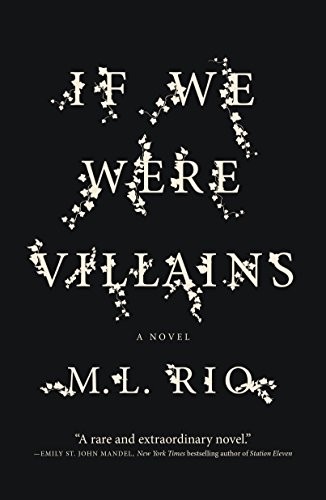
If We Were Villains
Seven fourth-year actors at a conservatory live inside Shakespeare so completely that rehearsal, rivalry, and private feeling start to share the same script. Rio’s novel is the title most often recommended when someone finishes Tartt and wants another closed artistic world without a second Vermont campus.
The look is black rehearsal rooms, autumn lawns, and quoted tragedy. Compared with The Secret History, the book is tighter, more theatrical, and easier for many readers to finish in a weekend. Some readers find the Shakespeare scaffolding charming; others find it heavy-handed. It still satisfies the search for aesthetic academia because the setting is the argument: beauty, performance, and harm occupy the same stage.
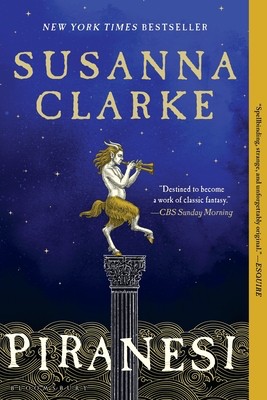
Piranesi
A man lives inside an infinite house of halls, statues, tides, and clouds, keeping notebooks on a world that seems complete until evidence of another life appears. Clarke’s short novel is the rare aesthetic recommendation that is visual in a literal way: architecture is the plot.
Bookstagram loves it because every page suggests marble, water, and solitude. It is quieter and stranger than campus fiction, and much shorter. Readers who need rapid dialogue can bounce off the ritual voice; readers who want wonder without a crowded cast often call it the most beautiful book they have read in years. It earns a place on this list for mood, design-minded worldbuilding, and a kind of hush that photographs cannot fake.
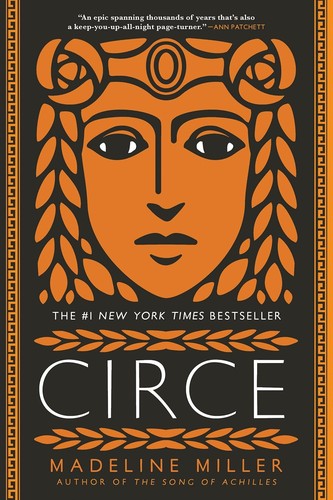
Circe
A Titan’s overlooked daughter learns witchcraft, exile, and the cost of making a life at the edge of other people’s epics. Miller’s novel is a staple of aesthetic shelves because island light, herbs, and immortal boredom photograph as easily as they read.
The prose is clean rather than baroque, which is why it travels well beyond classics majors. It is warmer and more character-driven than campus dark academia, and less ornate than The Night Circus. Readers looking for battle-heavy myth may find the middle domestic; readers who want a woman rebuilding power in a beautiful, lonely place usually stay for the whole span of a long life.
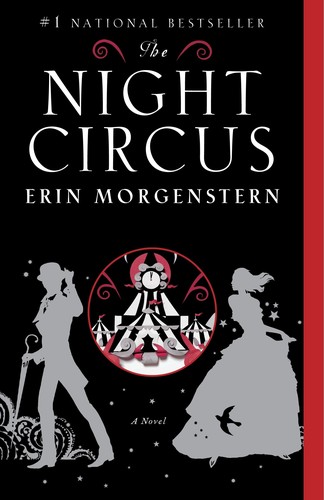
The Night Circus
A circus appears without warning, open only after dark, while two young magicians are bound to a contest they did not design. Morgenstern writes rooms, tents, and meals as if they were set decoration, which is exactly why the book dominates aesthetic reading lists.
Black-and-white stripes, perfume, and midnight clocks are the brand. The novel is slower and more tableau-like than a conventional romance or fantasy quest. Readers who want a tight duel can feel stranded among descriptions; readers who collect books for mood often treat this as the gold standard. It belongs here because the story and the object people want to own are doing the same work.
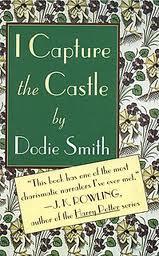
I Capture the Castle
Seventeen-year-old Cassandra Mortmain writes her family into being while they occupy a damp English castle on almost no money. First published in 1948, the novel keeps appearing on aesthetic lists because ruined grandeur, wet stone, and first love still look like a mood board.
The voice is funny and precise, which separates it from gloomier castle stories. It is cottagecore adjacent without spells, and light academia without a syllabus. Readers who want high plot may call it slight; readers who want a house that behaves like a character usually finish devoted to Cassandra. It is the book on this list that makes poverty look picturesque without pretending the heating works.
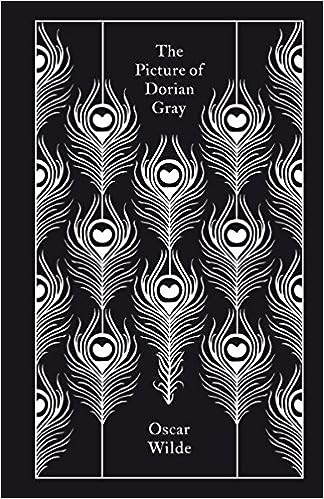
The Picture of Dorian Gray
A beautiful young man keeps his face while a portrait keeps his sins, under the influence of a talker who treats life as an art project. Wilde’s only novel is aesthetic in the historical sense: it comes out of the late-Victorian movement that argued beauty could be an ethic.
Clothbound and illustrated editions make it a shelf object as much as a text. The book is shorter and more epigrammatic than modern dark academia, and colder than cottagecore. Readers who want only pretty rooms should know the story turns punitive. It still belongs on an aesthetic list because it is one of the few novels actually about the danger of living for surfaces.
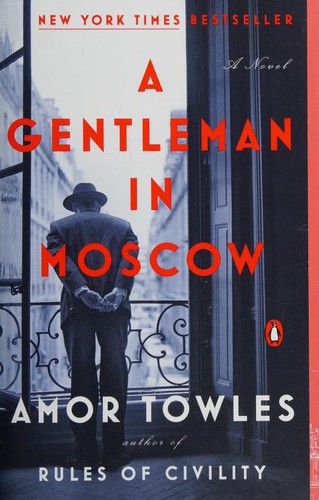
A Gentleman in Moscow
In 1922 a Russian count is confined to Moscow’s Metropol Hotel and has to invent a full life inside one building. Towles writes silver, menus, and manners with a jeweler’s patience, which is why the novel sits on so many “beautiful books” shelves.
The aesthetic is old-world rather than dark-academic: ballrooms, staff corridors, and the dignity of ritual. It is gentler and more comic than Tartt or Ishiguro. Readers who want historical brutality undiluted can find the tone too polished; readers who want elegance under constraint usually stay for the long stay. It is the list’s best match for quiet-luxury reading.
The Summer Book
A grandmother and her granddaughter spend a season on a small island in the Gulf of Finland, arguing, exploring, and naming the weather. Jansson’s 1972 novel, translated by Thomas Teal, is the quietest book here and one of the most visually exact.
Moss, storms, and a tent of a house replace libraries and circuses. It is cottagecore without sugar and coastal-grandmother reading without shopping. There is almost no plot in the commercial sense. Readers who need escalation will finish quickly and feel underfed; readers who want books that feel like paintings of light on water tend to reread it. That is the aesthetic this title serves: attention, not costume.
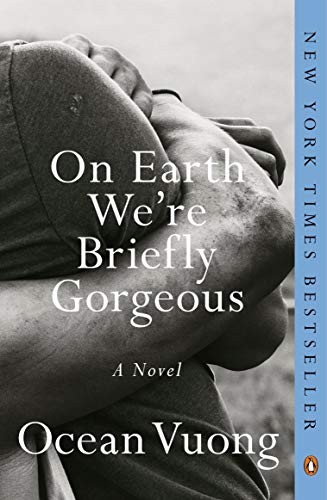
On Earth We're Briefly Gorgeous
A son writes a letter to a mother who cannot read it, moving through Hartford, Vietnam, work, and first love in fragments that behave like poems. Vuong’s debut novel is on aesthetic lists because the sentences themselves are the design.
It is not dark academia and not cottagecore. The beauty is linguistic and bodily rather than architectural. Some readers come for the title and the pale paperback and stay for the tenderness; others find the lyric mode repetitive. It belongs here as a reminder that “aesthetic books to read” can mean prose you want to underline, not only a castle you want to inhabit.
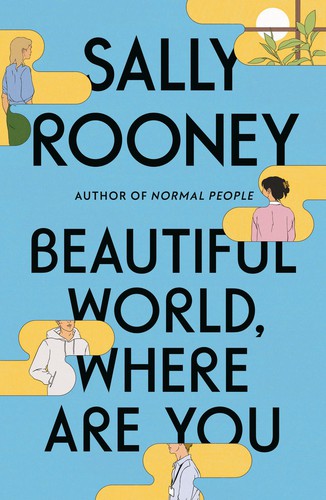
Beautiful World, Where Are You
Two Irish friends write long emails about love, work, and whether beauty still means anything, while their romantic lives refuse to stay theoretical. Rooney’s third novel became a shelf signal almost immediately: the bold cover reads like a poster, and the title is already an aesthetic sentence.
The rooms are ordinary apartments and rented houses, not palaces. What people photograph is the object and the mood of serious talk. Compared with campus gothic, it is contemporary, sexual, and economically specific. Readers who disliked Normal People for flat affect will meet a similar temperature; readers who want literary fiction that still looks current on a coffee table will recognize why it keeps appearing on Gen Z aesthetic lists.
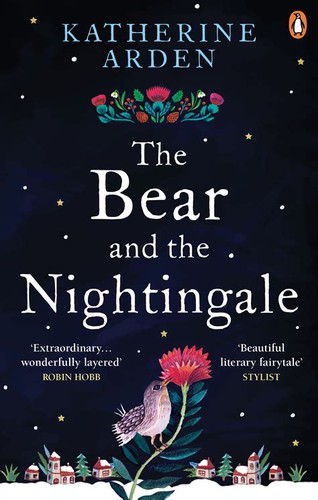
The Bear and the Nightingale
In a northern Russian household at the edge of the forest, a girl who can see household spirits grows up between old stories and a new, harsher piety. Arden’s first Winternight novel is winter cottagecore with teeth: stove heat, snow, and a woods that is not decorative.
It is the folkloric counterweight to English-castle prettiness. The magic is local and seasonal rather than circus-bright. Readers who want court politics immediately should know this opening volume stays close to the village. Readers who want frost, icons, and a heroine who does not fit the marriage plot usually continue the trilogy. The aesthetic is firelight against a dark tree line.
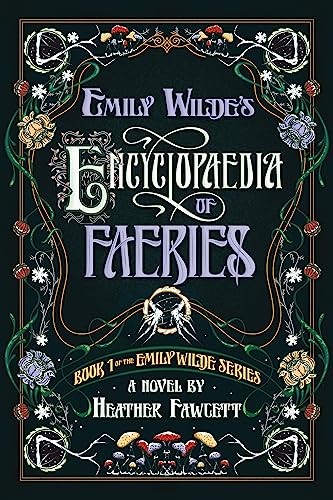
Emily Wilde's Encyclopaedia of Faeries
- Series
- Emily Wilde
A Cambridge dryadologist travels to a far-northern village to finish a scholarly encyclopaedia of faeries and discovers that fieldwork is worse than footnotes. Fawcett’s novel is academia without the murder club: journals, mittens, and a heroine who prefers specimens to small talk.
Hardcovers in this series are frequently praised for how they feel in the hand, which is part of their aesthetic reputation. The book is cozier and funnier than Tartt or Kuang, and the fae are dangerous enough to keep it from becoming only tea. Readers who want grimdark will find it too gentle; readers who want dark academia’s clothes with cottagecore weather often start here.
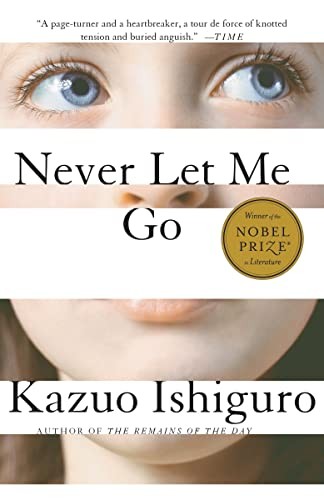
Never Let Me Go
Kathy looks back on Hailsham, an English boarding school whose pastoral calm hides a purpose the students only half understand. Ishiguro’s novel is dark academia stripped of glamour: uniforms, playing fields, and a politeness that becomes horrifying.
The aesthetic is mist, art lessons, and the English countryside used as a soft lie. It is quieter than The Secret History and more devastating for many readers. People who want secret societies and Latin drinking songs may feel under-stimulated. People who want the boarding-school look examined rather than romanticized tend to rank it among the essential books in this mood family.

North Woods
A yellow house in the woods of western Massachusetts collects occupants across centuries: lovers, an orchardist, twins, a painter, and lives that do not stay in one genre. Mason’s novel is aesthetic in the landscape sense. Leaves, apples, beetles, and rooms become the through-line.
Readers hunting for a single heroine will need to adjust; the place is the protagonist. The book is more capacious and stranger than cottagecore comfort reads, with ghostly and comic registers sharing the same soil. It fits this list because so many “books that feel like paintings” conversations land here, and because it treats beauty as ecology rather than wardrobe.

Babel
An orphaned boy from Canton is trained for Oxford’s Royal Institute of Translation, where language itself is engineered into imperial power. Kuang’s 2022 novel is dark academia that argues with the fantasy of the dreaming spires instead of only decorating them.
Silver bars, footnotes, and tower rooms supply the visual world. It is longer, more political, and more explicitly about race and empire than Tartt or Rio. Readers who want only candlelit vibes sometimes bounce off the lectures; readers who want the aesthetic and a critique of the institution usually call that the point. It belongs here because Oxford-as-mood is incomplete without a book that treats translation as a weapon.
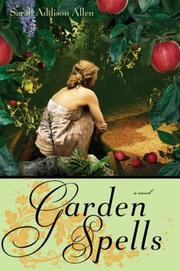
Garden Spells
- Series
- Waverley Family
The Waverley women of Bascom, North Carolina, keep a garden whose plants meddle in appetite, memory, and the courage to come home. Allen’s debut is the clearest cottagecore novel on this list: a Queen Anne house, an apple tree, and food that behaves like a character.
Magic here is domestic and lightly strange rather than epic. The book is shorter and sweeter than Arden or Clarke. Readers who want literary density can find it airy; readers who want a porch, a sister, and a town that knows your business usually get exactly that. It is useful as a palate cleanser after the darker academic titles, and it still photographs as a stack of summer peaches.

In Praise of Shadows
Tanizaki’s 1933 essay, translated by Thomas J. Harper and Edward G. Seidensticker, walks through lacquer, architecture, toilets, theater, and food to argue that Japanese beauty often lives in dimness rather than glare. It is the one book here that is actually about aesthetics as a subject.
The English edition is slim enough to live on a coffee table and dense enough to change how someone looks at a room. There is no plot. Readers expecting a novel will be stranded in a few sittings; readers who collect “beautiful books” for the idea of beauty get a primary text instead of another campus mood. It earns the last place because an aesthetic reading list should include at least one book that thinks about light, material, and taste on purpose.
How to choose among these eighteen
If you want libraries, Latin, and moral rot, start with The Secret History, then decide whether you prefer theater (If We Were Villains), empire (Babel), or a boarding school that refuses glamour (Never Let Me Go). If you want weather, kitchens, and houses, start with The Summer Book or Garden Spells, then move to I Capture the Castle or The Bear and the Nightingale.
If the pull is visual spectacle, The Night Circus and Piranesi do more spatial imagining than character gossip. If the pull is sentences, Vuong and Wilde sit at opposite temperatures of the same impulse. Special editions are optional. A stained paperback of Jansson will still be more “aesthetic” on the page than an unread sprayed-edge book you bought only for the edges.
Frequently asked questions
What makes a book count as aesthetic?
Online, the label usually combines a photogenic object with a mood people already recognize: dark academia, cottagecore, mythic islands, or highly designed prose. The story still has to sustain that mood. A pretty jacket alone is merchandising, not a reading recommendation.
Are aesthetic books only about pretty covers?
No. Covers and sprayed edges drive discovery, especially on social platforms, but readers in recommendation threads still separate books that look expensive from books whose settings and sentences feel inhabited. Several titles here are famous as objects and still hold up as reading.
What is the difference between dark academia and cottagecore on this list?
Dark academia leans on schools, secrecy, and the glamour of study. Cottagecore leans on gardens, weather, food, and houses. A few books sit between them, especially winter folklore and scholarly fairy fieldwork, but the emotional temperature is not the same.
Do I need special or sprayed-edge editions?
No. Deluxe printings can be part of the pleasure, and publishers have invested heavily in them. The texts above work in ordinary paperbacks. Buy a special edition if you collect objects; do not wait for one if you only want the book.
Which book should I read first if I want the vibe without a huge page count?
Piranesi, The Summer Book, and In Praise of Shadows are the shortest routes into atmosphere. I Capture the Castle and Garden Spells are also lighter commitments than Tartt, Kuang, or Towles.
Eighteen is enough to cover the main moods people mean by aesthetic reading without turning the shelf into a single color story. Pick the climate you actually want to sit in—snow, sea, hotel carpet, or seminar room—and let the object follow the book, not the other way around.