This article contains search links to Goodreads and Amazon so you can find current editions. We may earn a commission from qualifying purchases at no extra cost to you.
Some readers want plot. Others want a book that rearranges the room. The phrase 13 emotional books to read usually means the second kind: stories that leave a mark through grief, loyalty, illness, war, or a love that cannot stay intact.
The titles below keep coming up in reader threads, publisher lists, and long-lived recommendation posts because they earn the reaction. They are not interchangeable. One is a quiet English boarding-school novel. Another is a decades-long portrait of friendship and trauma. A third is a memoir written by a neurosurgeon who became the patient. What they share is emotional pressure that does not feel manufactured.
What makes a book emotional
An emotional book is not simply a sad book. Readers looking for this keyword usually want characters they can care about, stakes that feel human, and an ending that does not shrug. Tears can come from a child’s illness, a marriage after sudden death, a friendship that outlasts cruelty, or a joke that lands right before something breaks.
Community discussions tend to split these books into two groups. One group is cathartic: you finish wrecked and oddly clearer. The other is bruising: the book stays with you for weeks and is not the right choice on a fragile day. This list includes both, with notes on who each title actually fits.
13 emotional books worth the tissues
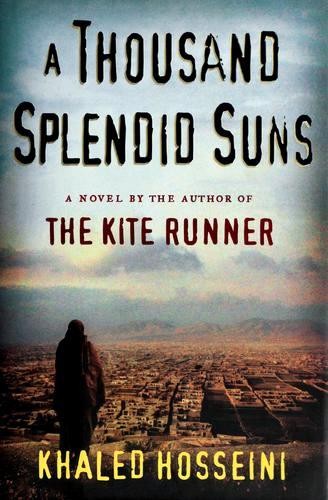
A Thousand Splendid Suns
Khaled Hosseini’s second novel follows two Afghan women whose lives collide across decades of Soviet occupation, civil war, and Taliban rule. The public history is large, but the novel’s force is domestic: arranged marriage, motherhood, and the slow building of an alliance that neither woman expected.
Readers who rarely cry at fiction mention this book more than almost any other contemporary novel. The emotion comes from endurance rather than a single twist. It belongs on a list of emotional books because it treats female friendship as a form of survival, not a subplot. It is also harder than a typical tearjerker. If you want warmth with the ache, start elsewhere. If you want a story that makes private life feel as consequential as war, this is the one.

The Book Thief
Markus Zusak sets a girl’s coming-of-age in a German town during World War II and gives the narration to Death. Liesel Meminger steals books, learns to read with her foster father, and measures a shrinking world by the stories she can keep. The premise sounds high-concept. On the page it is local: basements, accordion music, stolen words, and neighbors trying to remain human.
The novel is emotional because it refuses to treat ordinary kindness as small. Readers often remember the voice as much as the plot. It is longer and more stylized than a straightforward historical novel, which some people love and others find mannered. It earns a place here as a book about language as shelter, not only as a war story that makes people cry.

Flowers for Algernon
Daniel Keyes first published this story as a novelette in 1959 and expanded it into a 1966 novel. Charlie Gordon, a bakery worker with a low IQ, agrees to an experimental procedure that has already been tested on a laboratory mouse named Algernon. The book is told through Charlie’s progress reports, so the reader watches his language, confidence, and loneliness change in real time.
It remains one of the most recommended emotional science-fiction novels because the experiment is never only about intelligence. Dignity, desire, and how people treat someone they think is lesser do the damage. Readers who say no book has ever made them cry often name this one. The science is of its era. The ache is not. Skip it if medical experiments or ableist cruelty would be too close.
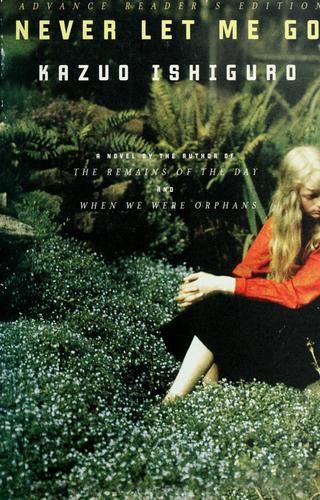
Never Let Me Go
Kazuo Ishiguro’s 2005 novel looks, at first, like a boarding-school memory. Kathy H. looks back on Hailsham, her friends Ruth and Tommy, and the rules that made their childhood feel special. The speculative premise emerges slowly. Ishiguro is less interested in the mechanics of that world than in what people do with limited time, incomplete information, and a love they cannot protect.
This is the opposite of a loud tearjerker. The emotion accumulates in withheld explanations and ordinary conversations. Readers who want a twist every chapter bounce off it. Readers who want a book that makes mortality feel administrative and intimate at once tend to carry it for years. It belongs on this list because the heartbreak is structural: the characters never get the life the tone seems to promise.

A Little Life
Hanya Yanagihara’s 2015 novel follows four men who meet in college and build adult lives in New York. Friendship, ambition, and chosen family fill the early chapters. The center of gravity is Jude, whose past and pain gradually dominate the book. It is long on purpose. Years pass. Success arrives. The question of whether love can remake a damaged life does not get an easy answer.
This is the most polarizing title on the list. Admirers call it a modern epic of care. Detractors argue that the suffering is relentless. Both reactions are common in reader discussions. Include it among emotional books only if you want intensity rather than balance. It is not a casual cry. It is a commitment, and it is a poor choice if graphic trauma is a hard limit.
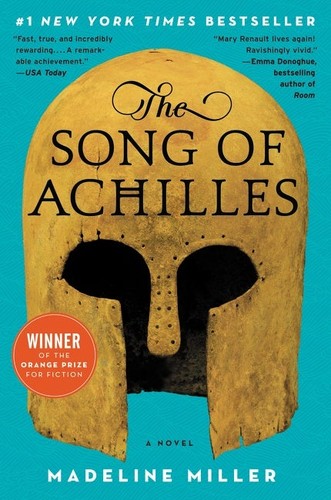
The Song of Achilles
Madeline Miller retells the story of Achilles through Patroclus, the exiled prince who becomes his companion. Gods, prophecy, and the march toward Troy are present, but the novel’s real subject is a private bond watched by people who want a hero more than a person. Miller’s classical training shows in the details. The feeling comes from how small the love story stays inside an epic frame.
Readers looking for emotional books often land here after historical fiction or romance lists. It is more accessible than Homer and more romantic than a straight war novel. Knowing the myth does not drain the book; it tightens it. If you want battlefield glory first, this will feel mis-aimed. If you want a love story that makes fame look expensive, it earns every recommendation.

A Man Called Ove
Fredrik Backman’s debut, first published in Swedish in 2012 and widely read in Henning Koch’s English translation, introduces a man who polices parking rules and neighbors with equal fury. Ove looks like comic relief. The novel keeps cutting back to the life that produced the rigidity. A chaotic family next door refuses to leave him alone, and the book becomes a study of grief disguised as a neighborhood farce.
This is the gentlest heavy book on the list. People recommend it when they want to cry without being destroyed. The humor is real; so is the loneliness. Some readers find the quirks broad. Others say the last stretch blindsided them. It belongs here because it proves an emotional book can be funny without making the sadness a punchline.

The Fault in Our Stars
John Green’s 2012 novel follows Hazel Grace Lancaster, a sixteen-year-old living with metastatic cancer, who meets Augustus Waters at a support group. The book is often filed as young adult romance, which is accurate and incomplete. Hazel is funny, watchful, and tired of being treated as an inspiration. The love story matters because both teenagers already know the future is bargained.
It became a shorthand for books that make people cry, which means some readers now arrive armored against it. The novel still works when you let the banter do its job: it keeps the sentiment from turning sticky until it cannot. Adults who skip YA on principle miss a precise book about dignity and the stories sick people are asked to perform. It is emotionally direct. It is not simple.
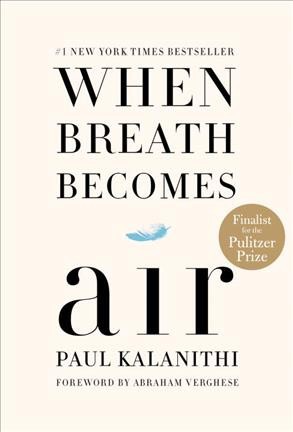
When Breath Becomes Air
Paul Kalanithi was finishing neurosurgery training at Stanford when he was diagnosed with stage IV lung cancer. This posthumous 2016 memoir, published by Random House with a foreword by Abraham Verghese and an epilogue by Lucy Kalanithi, moves between the operating room and the exam table. The question is not how to beat death. It is what a meaningful life looks like when time collapses.
Readers looking for emotional books often want fiction. This memoir keeps appearing anyway because it is lucid rather than sentimental. Kalanithi writes as a doctor who loved literature and as a patient who has to revise every plan, including fatherhood. It is short, concentrated, and unfinished in a way that is part of the point. Come to it for thought as much as tears.

Crying in H Mart
Michelle Zauner, the musician who records as Japanese Breakfast, published this memoir with Knopf in 2021. It begins in the aisles of H Mart, where Korean groceries turn into a map of her mother. The book moves through a mixed childhood in Oregon, trips to Seoul, a fraught mother-daughter bond, and the illness that forces Zauner to learn the recipes she once resisted.
Food writing is the method, not a garnish. Readers respond to the specificity: stews, snacks, hospital rooms, and the particular shame and love of being a daughter who did not always fit. It is emotional without asking for pity. If you want a grief memoir that is also about language, immigrant family life, and making a self after loss, this is one of the strongest recent examples.
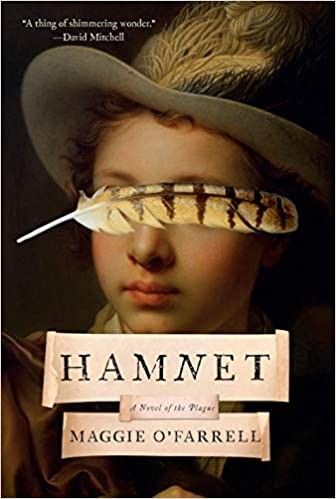
Hamnet
Maggie O’Farrell’s 2020 novel imagines the life around the death of Shakespeare’s eleven-year-old son. In England the book appeared first from Tinder Press; Knopf published the American edition. O’Farrell centers Agnes, a woman with an uncanny feel for plants and people, and a household in Stratford that must keep going while a husband works away in London. The famous name is a shadow, not a lecture.
The novel is emotional because it stays inside a family’s senses: heat, illness, twinship, and the strange work of making art after a child is gone. Readers who dislike biographical fiction about Shakespeare still praise the prose. It is a grief book disguised as historical fiction, or the other way around. Come for the marriage and the boy, not for a documentary of the Globe.
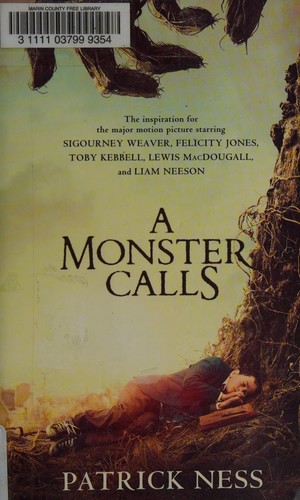
A Monster Calls
Patrick Ness wrote this 2011 novel from an idea left by Siobhan Dowd, who died before she could write it herself. Thirteen-year-old Conor O’Malley is dealing with school, a sick mother, and a nightmare that will not stay in sleep. A yew-tree monster arrives at his window and insists on stories, then on a truth Conor does not want to speak. Jim Kay’s illustrations, in many editions, are part of the experience.
It is marketed to younger readers and routinely floors adults. The fantasy is not decoration; it is how a child can look at grief without drowning in explanation. Reader threads about books that cause ugly crying return to this one constantly. It is short. It is not soft. If you want an emotional book you can finish in an evening and still feel days later, start here.

The Year of Magical Thinking
Joan Didion’s 2005 memoir begins after the sudden death of her husband, the writer John Gregory Dunne, while their daughter Quintana is already critically ill. Knopf published the book that October. Didion does not write a conventional consolation. She tracks the tricks grief plays on judgment: the mind that knows the facts and still waits for a different ending.
Among emotional books, this one is prized by readers who distrust swelling prose. The sentences are cool. The feeling is not. It is less a story than a record of thinking under shock, which is why it keeps being recommended twenty years on. It will not give you plot. It will give you company if you have ever watched a life change in a single night and then had to keep making dinner.
How to choose among these 13
Match the book to the kind of feeling you can stand this week. For warmth with tears, start with A Man Called Ove or The Fault in Our Stars. For grief that stays close to real life, choose When Breath Becomes Air, Crying in H Mart, or The Year of Magical Thinking. For story-shaped heartbreak, The Song of Achilles, Hamnet, and The Book Thief carry more plot.
Leave A Little Life and A Thousand Splendid Suns for days when you have stamina. Never Let Me Go and Flowers for Algernon work if you like unease more than sobbing on cue. A Monster Calls is the shortest path to a clean emotional hit. None of these books is required reading. The point is to pick the pressure you actually want.
Frequently asked questions
What is the most emotional book on this list?
There is no single answer, but reader discussions most often name A Thousand Splendid Suns, A Little Life, Flowers for Algernon, and A Monster Calls. The first two are heavy in different ways: historical violence versus prolonged personal trauma. The last two are shorter and more concentrated.
Which emotional books are less brutal?
A Man Called Ove and The Fault in Our Stars still make people cry, but they leave more room for humor and attachment. Crying in H Mart and When Breath Becomes Air are sad without being sensational. Never Let Me Go is quietly devastating rather than graphic.
Are emotional books only sad books?
No. Many readers use the phrase for any book that produces a strong feeling, including tenderness and relief. A Man Called Ove is a clear example: the tears often come from connection, not only from loss. This list still leans toward grief because that is what the search usually wants.
Can these books help with grief?
Some people find company in Didion, Zauner, Kalanithi, and Ness. Others find fiction easier than memoir because it is one step removed. A book is not therapy. If a title maps too closely onto a recent loss, wait or choose a gentler option.
Do I need to read them in any order?
No. They are standalone works. If you want to test your appetite, begin with A Monster Calls or A Man Called Ove. Save A Little Life for last, if you read it at all.
Emotional books earn their place when they make a private feeling recognizable. The thirteen here do that through different doors: a Kabul household, a German street, a laboratory, a myth, a hospital, a supermarket aisle. Pick the door that fits the day you are actually having.