This article contains book titles and search queries that may be used with retailer or library links. If those links are monetized on the published page, a commission may be earned at no extra cost to the reader.
Searches for 13 must read books for women usually want a short shelf, not a syllabus. Readers ask for novels that treat women's inner lives with seriousness, plus a few nonfiction titles that explain how money, data, love and the body actually work.
This list keeps the number exact. It mixes books that have stayed in circulation for generations with later work that women still name in reading groups and online threads. The through-line is usefulness: each title gives language for a part of life that is often discussed badly or not at all.
What “must read books for women” usually means
The phrase is messy on purpose. It is not a claim that men should skip these books, and it is not a single genre. Across publisher lists, book-club picks and reader forums, the same cluster appears: coming-of-age stories, sisterhood and rivalry, marriage as an economic problem, racialized girlhood, reproductive control, and plain-spoken essays about work and desire.
Community conversations also push back against lists that only recycle the same three Victorian novels or treat dense theory as the only serious option. Readers want Pride and Prejudice and Invisible Women on the same table. They want a Booker winner beside a 64-page essay they can finish on a commute. The titles below follow that mixed demand instead of copying any one magazine ranking.
13 books worth putting on the list

Pride and Prejudice
Jane Austen’s 1813 novel remains the most durable social comedy about how women are priced, praised and constrained in a marriage market they did not design. Elizabeth Bennet’s intelligence is the engine; the joke is that almost everyone around her treats wit as a defect until it becomes an asset.
The book belongs here because it still teaches readers to watch money, manners and first impressions at the same time. It is lighter than later protest novels on this list, and that is the point. Austen makes the cost of bad matches and family vanity visible without a lecture. Readers who want gothic intensity should skip ahead to Jane Eyre; readers who want a sharp, rereadable study of sisters, status and self-respect start here.
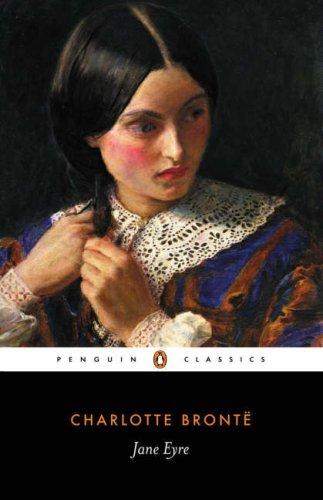
Jane Eyre
Published in 1847 under the name Currer Bell, Jane Eyre follows an orphan who refuses to accept that poverty or plainness should cancel her claim to a moral life of her own. The novel is a governess story, a love story and a demand for reciprocity. Jane wants work, affection and self-respect in the same breath.
It earns a place among must read books for women because so many later heroines still argue with Jane’s problem: how to love without disappearing. Brontë’s voice is hotter and more interior than Austen’s. The book can feel melodramatic to readers who prefer social realism, and it carries the Gothic furniture of its moment. What has not dated is the insistence that a woman without fortune still gets to set terms.
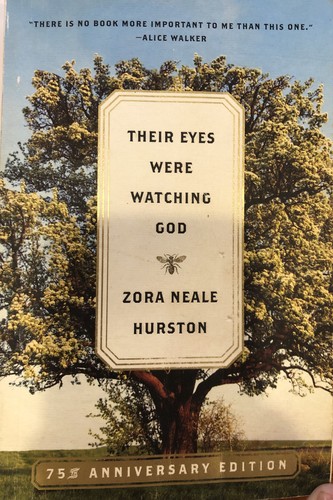
Their Eyes Were Watching God
Zora Neale Hurston published this novel in 1937 after writing it quickly in Haiti. Janie Crawford tells her own story of growing up in Florida, moving through marriages, and deciding what love is worth when other people want to manage her voice. The book is famous now; it spent decades out of print before later writers and scholars brought it back.
It belongs on a women's reading list because it treats Black Southern womanhood as a full inner weather system, not a symbol. Hurston’s ear for speech is the reason people reread it. Some first-time readers stumble on dialect on the page; listening to an audio edition often solves that. Compared with The Color Purple later on this list, Hurston is more lyrical and less epistolary, with a different temperature of hope.
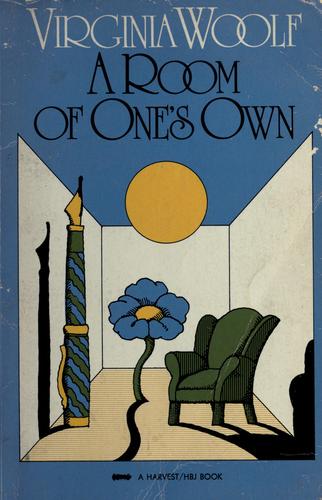
A Room of One's Own
Woolf expanded 1928 lectures at Cambridge women’s colleges into this 1929 essay. The argument is concrete: intellectual work needs money and uninterrupted space. Around that claim she builds a walking tour of libraries, lunches, literary history and the imaginary life of a gifted woman who never got to write.
The essay is here because it remains the clearest short statement of why women's books exist under different material conditions than men's. It is not a novel, and it is not a policy paper. Readers who bounce off modernist fiction often do fine with this voice. Those who want a twenty-first-century, conversational counterpart should pair it with We Should All Be Feminists rather than treating Woolf as the last word.
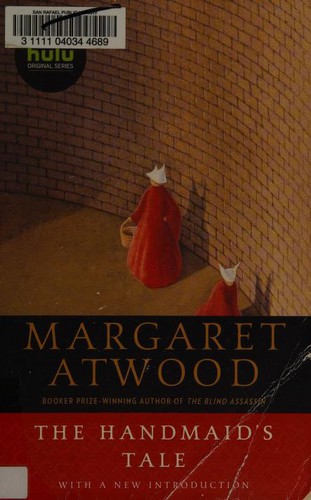
The Handmaid's Tale
Atwood’s 1985 novel is set in a near-future theocracy that turns fertile women into reproductive property. The narrator, known by a household name rather than her own, records daily life, memory and the small methods of staying a person. Atwood has said she used precedents already visible in history rather than inventing punishments from nowhere.
It is on nearly every contemporary list of books women tell one another to read, and the later television series only intensified that. The novel is colder and more interior than the show. Readers looking for comfort reading should not start here. Readers who want a political novel that still works as suspense will find why the book keeps returning whenever reproductive rights are in public argument. The Testaments is a later sequel; this first book stands alone.
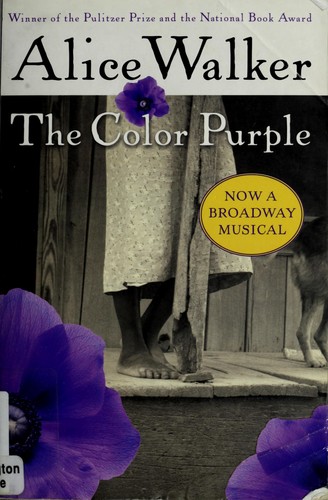
The Color Purple
Alice Walker’s 1982 epistolary novel, which won the Pulitzer Prize and the National Book Award, is built from letters that let Celie piece together a self after years of being spoken for. Rural Georgia is the ground; sisterhood, labor, desire and spiritual invention are the weather. The book has been adapted for film, stage and a later musical, which is why some readers think they already know it.
They often do not. The letters are blunter and more intimate than the famous screen version. The novel belongs on this list because it is one of the major American accounts of how women survive one another’s absence and then rebuild a life in company. It is harder, and more tender, than a summary can show. It is also frequently challenged for sexual content, which is part of its public history rather than a reason to blur what the book actually does.
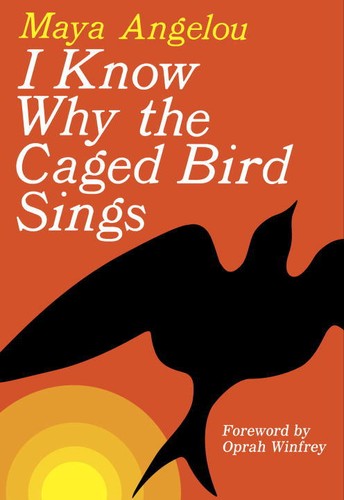
I Know Why the Caged Bird Sings
Maya Angelou’s 1969 debut memoir follows her childhood and adolescence between Stamps, Arkansas, St. Louis and California. The book is the first in a sequence of autobiographies, but it is the one most often handed from reader to reader. Angelou writes as a poet who also keeps receipts: church, store counter, library book, sudden danger.
It is a must-read in this context because so many women describe it as the first time a Black girl’s interior life was given this much stylistic care on the page. It is not a self-help memoir and not a tidy uplift story. The prose can be ceremonious. The material includes childhood sexual assault, which Angelou treats as fact rather than spectacle. Readers who want fiction with similar historical pressure can move to Walker or Hurston; readers who want the author as a public voice often continue with later volumes.
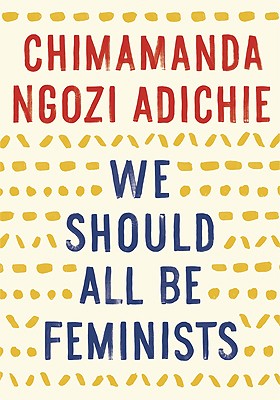
We Should All Be Feminists
This 2014 book expands Adichie’s 2012 TEDxEuston talk into a pocket essay. She uses Lagos traffic, classroom habits and family remarks to define feminism as a practical demand rather than a personality type. The American Anchor edition runs about 64 pages.
It is on this list because it is the book people actually finish when they say they want an introduction. Woolf asks for a room and an income; Adichie asks why a woman still has to shrink herself to be likable. Readers who find manifesto language off-putting often accept this tone. It will feel too brief for anyone ready for The Second Sex or a full history of the movement. That brevity is also why it circulates.
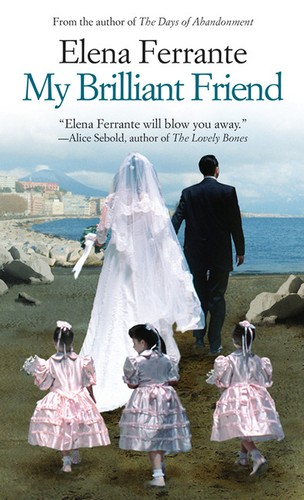
My Brilliant Friend
- Series
- Neapolitan Novels
The first of Ferrante’s Neapolitan novels appeared in English in 2012 from Europa Editions, translated by Ann Goldstein. Elena Greco looks back on a Naples neighborhood and on Lila, the friend who defines her intelligence by standing next to it. School, street violence and family power fill the foreground; the friendship is the plot.
Women recommend this book when they want fiction about female friendship that does not flatten into comfort. The relationship is nourishing and corrosive in turns. Readers who need a closed standalone should know the story continues for three more volumes. Readers who bounced off tidy sisterhood novels often stay for Ferrante’s refusal to make either girl simply good. It is the contemporary friendship epic on this list, against Austen’s sisters and Walker’s letters.
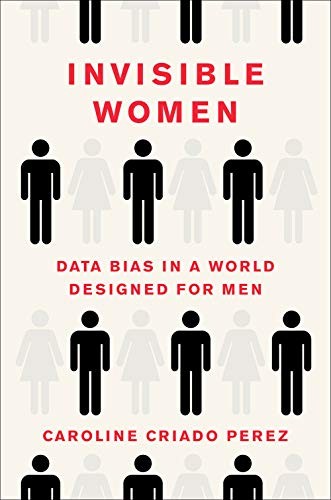
Invisible Women
Published in 2019, this nonfiction book won the Financial Times and McKinsey Business Book of the Year Award and the Royal Society science book prize. Criado Perez gathers studies showing how data, design, medicine and public planning still treat the male body and male schedule as default. Snow-clearing routes, phone sizes, crash-test dummies and heart-attack symptoms all become evidence.
Readers on forums name this book with unusual consistency when asked what every woman should read, because it attaches irritation to proof. It is drier than the novels on this list and more immediately usable than most theory. Some chapters pile example on example; that accumulation is the method. Pair it with Woolf if you want the older argument about material conditions, or with Nagoski if you want the body treated from the inside rather than from the dataset.
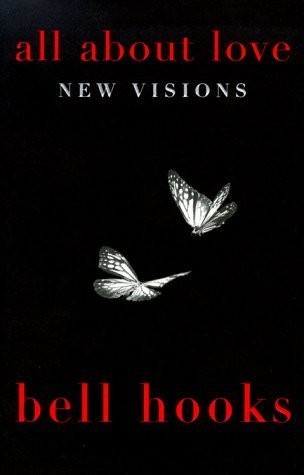
All About Love
- Series
- Love Song to the Nation
bell hooks published this first volume of her Love Song to the Nation trilogy in 2000. She treats love as a practice that includes care, accountability and justice, not a mood that arrives and excuses harm. Family, popular culture, religion and romance all get examined with the same refusal to flatter the reader.
Women in their thirties and forties now recommend it as often as any novel on this list. It is short, aphoristic and sometimes repetitive. That repetition is how hooks works: she circles a definition until it becomes usable. Readers looking for dating tactics will be disappointed. Readers trying to separate affection from control often keep the book. It sits beside Austen’s marriage market and Ferrante’s friendship as a different tool: a vocabulary for what people owe one another.
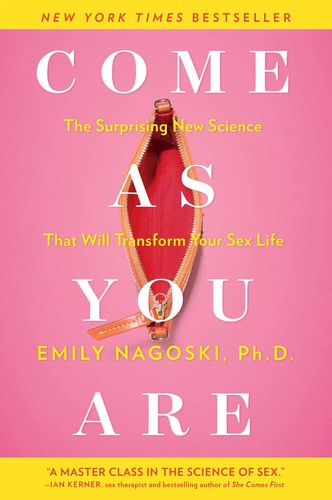
Come As You Are
Emily Nagoski’s book, first published in 2015 and later revised, explains current sex-research findings in plain language. The useful core is that desire and arousal are not a single factory setting. Context, stress and the nervous system matter as much as anatomy. The revised Simon & Schuster edition updates studies and wording after years of reader response.
It appears here because women on recommendation threads name it as practical in a way novels cannot be. It is not erotica and not a relationship manual with scripts. Some readers skim the workbook-like asides; others want exactly those exercises. If Invisible Women shows how institutions ignore female bodies, this book shows how culture mis-describes pleasure from the inside. Skip it if you want plot. Keep it if you want a science-literate alternative to myths about responsiveness.
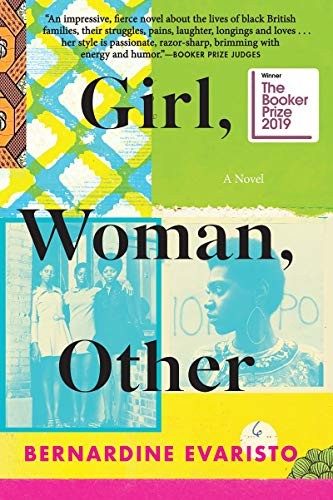
Girl, Woman, Other
Bernardine Evaristo’s 2019 novel, joint winner of the Booker Prize, braids twelve mostly Black British women across ages, classes and decades. A playwright, a teacher, a cleaner, a banker and others pass through one another’s lives. The lines on the page often drop conventional punctuation, which makes the voices feel spoken rather than filed.
It closes this list because it does the contemporary job the older books cannot: it multiplies the category “woman” until a single heroine would be insufficient. Readers who want one protagonist and a closed love plot may find the structure busy. Readers who want Britain after empire, queer life, friendship and work in the same book get a rare range. Set it against Ferrante’s two-girl intensity and Adichie’s short essay: Evaristo chooses chorus over manifesto.
How to choose among these 13
If you want pleasure and social intelligence first, begin with Pride and Prejudice or Girl, Woman, Other. If you want a single intense heroine, choose Jane Eyre or Their Eyes Were Watching God. If friendship is the subject you keep hunting, Ferrante is the deepest option here.
If you want arguments rather than plots, read Woolf, Adichie, hooks and Criado Perez in that order of difficulty. Angelou and Walker ask more emotionally than the essays do. Atwood and Nagoski sit at opposite ends of the body question: one imagines a state that seizes reproduction, the other explains how desire works when no one is seizing anything. You do not need all 13 in a year. You need the one that matches the problem you are already turning over.
Frequently asked questions
Are must-read books for women only feminist theory?
No. Reader lists mix novels, memoirs and short essays with a smaller number of reported or scientific books. Theory appears because it named problems; fiction and memoir stay on the list because they show those problems inside a life.
Which book on this list is the best place to start?
We Should All Be Feminists is the shortest on-ramp. Pride and Prejudice is the most approachable classic. Invisible Women is the most practical nonfiction start if you already like reported argument more than novels.
Do these books assume a single kind of woman reader?
They do not, and that is why the list is mixed. Hurston, Walker, Angelou and Evaristo are not interchangeable with Austen or Woolf. Age, race, class, sexuality and nationality change what “must read” means, which is why a fixed list of 13 is a starting shelf rather than a complete education.
Which titles are hardest or most upsetting?
The Color Purple and I Know Why the Caged Bird Sings include sexual violence. The Handmaid’s Tale is built on reproductive coercion. Jane Eyre contains childhood cruelty. Check content notes before assigning any of them as a casual gift.
Are there important books this list leaves out?
Yes. Little Women, The Bell Jar, The Second Sex, Beloved, Becoming, The Gift of Fear and Hood Feminism appear constantly in neighboring conversations. They were left off to keep the count at 13 and to avoid stacking too many books with the same job.
A useful list of 13 must read books for women should argue with itself a little: comedy beside testimony, a 64-page essay beside a Naples epic, data beside desire. Read for the gap in your own shelf, not for a perfect score. The books that stay are the ones that give you a sentence you can use when life gets specific.
Sources and further reading
- Penguin Random House
- Bookshop.org
- Zora Neale Hurston official site / Wikipedia summary of publication history
- Hogarth Press / Penguin
- New York Times
- Wikipedia / Harcourt publication record
- Penguin Random House
- Anchor / Penguin Random House
- Europa Editions
- Abrams Books
- William Morrow / NBC News
- Simon & Schuster / Emily Nagoski
- Grove Press / Bookshop.org
- Vogue
- Good Books aggregation
- r/AskWomen
- r/AskWomenOver30