This article contains search links to retailers. If you buy through those links, a site may earn a commission at no extra cost to you.
A cozy book is less a rigid genre than a reading mood: lower stakes, smaller rooms, and a promise that the story will not punish you for wanting kindness. Readers hunting for 15 cozy books to read usually want the feeling of a lit window at dusk—tea, shopkeeping, found family, a puzzle that will be solved, or a life that can be mended in ordinary increments.
The list below mixes the titles that keep appearing in cozy-fantasy discussions with quieter literary comfort reads and one modern village mystery. The through-line is atmosphere and care, not identical plots. Some of these novels are almost plotless on purpose. Others still have crime, grief, or fae danger. All of them are widely recommended when people ask for a book that feels like a warm room.
What counts as a cozy book
Cozy fiction grew out of mystery conventions: amateur sleuths, contained settings, limited gore, and a tone that treats the reader as a guest rather than a hostage. Cozy fantasy borrowed that promise and applied it to magic. Typical ingredients include a shop or inn, food described with real attention, a small community, and conflict that can be solved by work, friendship, or a change of heart rather than a battlefield.
Readers on book blogs and in discussion threads often complain that marketing has stretched the word. A book can have witches and still feel stressful. A book can have a murder and still feel companionable. Use the label as a filter for tone, not as a guarantee of zero sadness. Several titles here include grief, prejudice, or off-page crime. They remain on the list because communities keep naming them when they want comfort with a plot.
15 cozy books worth picking up
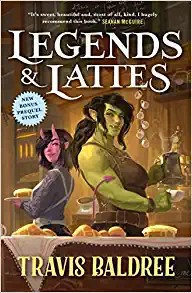
Legends & Lattes
- Series
- Legends & Lattes
After years of mercenary work, an orc named Viv walks away from the sword and tries to open the first coffee shop in the city of Thune. Almost nobody there knows what coffee is. The novel is built from renovation, recipes, regulars, and the slow assembly of a staff who become something closer than coworkers.
Baldree’s book is the title most often credited with making “cozy fantasy” a bookstore category. It belongs here because the tension is local: will the shop survive, will Viv let people stay, will a new kind of work feel like a life. The fantasy furniture—orcs, succubi, gnomes, a lucky stone—never turns the story into a quest map.
Readers who want intricate political magic or a densely plotted romance sometimes find the love story too light. That is a fair limit. If you want slice-of-life high fantasy with cinnamon rolls and a found-family shop crew, this is still the cleanest place to start.
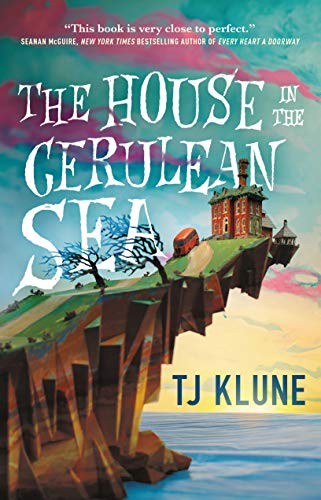
The House in the Cerulean Sea
- Series
- Cerulean Chronicles
Linus Baker inspects orphanages for a government department that manages magical children. A classified assignment sends the cautious caseworker to a remote island home whose residents do not match any tidy file. What follows is less an adventure than a month of meals, rules quietly broken, and a household that refuses to be treated as a problem.
The novel became a comfort-read staple because it treats found family as the plot, not the garnish. Klune writes bureaucracy as weather: gray, damp, and hard to leave. The island is the counter-argument—color, music, bad jokes, and children who are strange without being written as threats.
It is cozier in feeling than in subject. Institutional prejudice and the state’s handling of children sit under the sweetness. Readers who want only bakers and bookshops may find the social critique heavier than expected. Readers who want queer tenderness with a hopeful ending tend to keep recommending it.
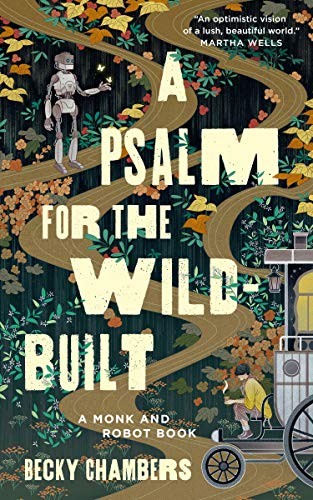
A Psalm for the Wild-Built
- Series
- Monk & Robot
On the moon of Panga, tea monk Sibling Dex has a comfortable circuit of villages and still cannot shake the sense that something is missing. A journey into the wilderness produces an encounter nobody expected: a robot who has come out of myth to ask what people need. The rest of the novella is walking, tea, and conversation.
Chambers writes solarpunk as hospitality. The world is already past its worst industrial mistakes. The remaining problem is interior—purpose, rest, the difference between a useful life and a full one. That is why comfort-seeking readers treat the book as fantasy even when the furniture is science-fictional.
It is short and deliberately undramatic. If you need reversals every chapter, the pace will feel like a hike with too many pauses. If you want a book that sounds like someone handing you a mug and sitting down beside you, this is one of the most precise matches on the list.
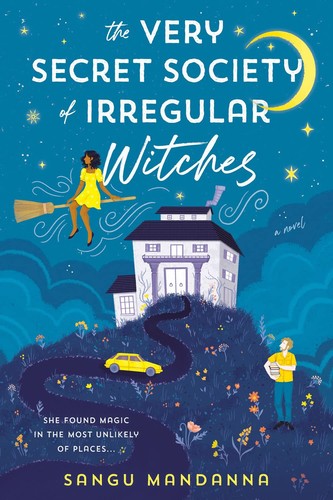
The Very Secret Society of Irregular Witches
Mika Moon is one of the last witches in Britain and has spent her life staying small: hide the magic, avoid other witches, post cheerful videos that are not quite the truth. An unusual job offer pulls her to a remote house where three young witches need a teacher and a patchwork household needs another adult who will stay.
This is the contemporary cozy many readers mean when they say they want witches without a war. Mandanna builds comfort from kitchens, lessons, badly kept secrets, and a romance that grows beside the childcare rather than instead of it. The magic is practical and a little messy, which suits a story about people who have been told they are safer alone.
Community recommendations often pair it with Klune for the found-family feeling, but Mika’s isolation has a sharper loneliness. Readers who dislike sentiment may bounce off the warmth. Readers who want a house full of odd people learning how to belong tend to finish it and immediately look for the author’s next cozy.
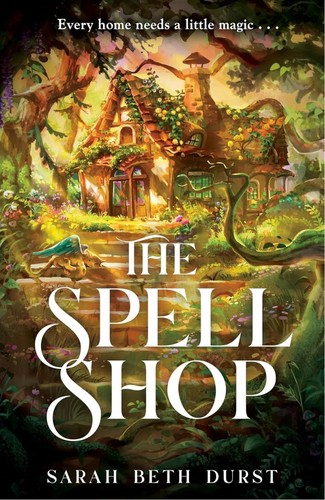
The Spellshop
- Series
- The Spellshop
Librarian Kiela flees a capital in upheaval with stolen spellbooks and Caz, a sentient spider plant with opinions. She returns to a seaside island and tries to build a lawful-enough life selling jam, spells, and whatever else a cautious person can invent when magic itself has become dangerous to practice in public.
Durst leans all the way into cottagecore: fruit, neighbors, a shop that smells like sugar, and creatures who treat the island as home. The romance is part of the thaw. Kiela’s first problem is not a dark lord. It is learning how to need people after a career spent among stacks.
Later books in the same world are designed to stand alone, which makes this a low-commitment entry. Readers who want tighter mystery plotting may find the middle too gentle. Readers searching for a 2020s cottagecore fantasy with baked goods and a talking plant will recognize why it landed on so many cozy lists so quickly.

Emily Wilde's Encyclopaedia of Faeries
- Series
- Emily Wilde
Dryadology professor Emily Wilde travels to a far-northern village to finish a scholarly encyclopaedia of faeries. She would rather catalog the Hidden Folk than make friends. The village, the winter, and her infuriatingly charming colleague Wendell Bambleby have other plans. The book is written as her field journal, which gives the cozy texture of footnotes and firelight even when the Folk are not kind.
This is the winter entry on the list. Readers repeatedly name it when they want snow, cottages, academic banter, and faerie folklore that still feels dangerous. The coziness comes from dry humor and domestic detail, not from safety. Emily is competent, prickly, and not written as a chosen one.
Compared with Baldree or Durst, the stakes can climb higher and the Folk can be cruel. That difference matters. Pick this if you like your comfort with scholarly grit and a slow romance that refuses to melt the ice in one chapter.
Howl's Moving Castle
- Series
- Howl's Moving Castle
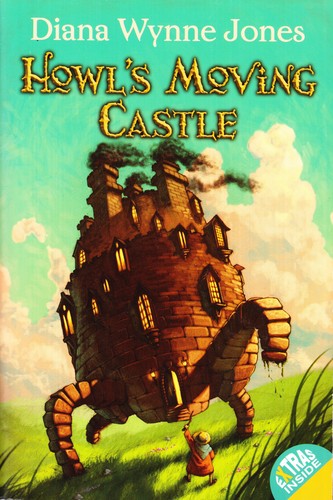
Sophie Hatter is a hat-shop assistant who expects a dutiful, unremarkable life until a curse turns her into an old woman. She walks into the moving castle of the wizard Howl and becomes the kind of housekeeper who rearranges other people’s magic by refusing to be impressed. The novel is older than the “cozy fantasy” label and still fits the mood better than many books published to chase it.
Jones writes domestic chaos as adventure: calcifer in the hearth, a door that opens on several countries, and a wizard whose vanity is funnier than it is tragic. The tone stays companionable even when curses and wars hover at the edge of the plot. That balance is why adult readers still reach for it after the film.
It is written for younger readers but does not talk down. People who only know the Miyazaki adaptation should expect a sharper Sophie and a different shape to Howl. People who want low-gore, high-whimsy fantasy with housework at the center will feel immediately at home.
Can't Spell Treason Without Tea
- Series
- Tomes & Tea
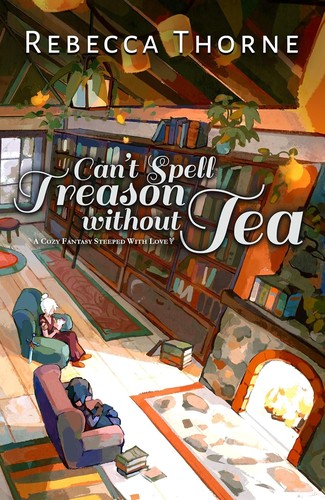
Reyna is one of the queen’s private guards. Kianthe is a mage with more power than is convenient. What they want is not a throne. They want a bookshop that serves tea, somewhere far enough from court that love can look like a counter and a kettle. Leaving turns out to be the easy part.
Thorne writes the fantasy-shop daydream with more pursuit than Baldree. The coziness is the destination: shelves, snow, plants, and a couple trying to choose a small life. The plot keeps reminding them that the world they left has a long reach. That mix is why some readers call it cozy and others call it cozy-adjacent adventure.
If you want zero politics, start with Legends & Lattes instead. If you want sapphic romance, tea, and a bookshop that has to be defended as well as stocked, this is the closer match. Later Tomes & Tea books continue the couple’s attempt to keep the life they chose.
Before the Coffee Gets Cold
- Series
- Before the Coffee Gets Cold
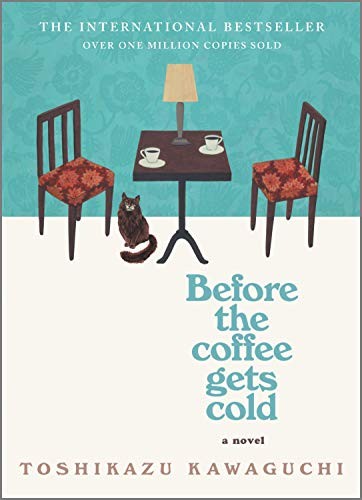
In a narrow Tokyo café, a particular seat lets a customer visit the past under strict rules. You cannot leave the chair. You cannot change the present in the way you hope. You must return before the coffee gets cold. Four visitors arrive with different unfinished conversations.
Kawaguchi’s novel—adapted from his play—is a centerpiece of the healing-fiction wave that Western readers now file beside cozy fantasy. The comfort is ritual: the same café, the same careful pour, the same reminder that time travel is not a loophole. Feeling is the point, not clever mechanics.
Some readers find the prose plain and the structure repetitive. That plainness is also why it works as a comfort object. It is not a fantasy epic and not a mystery. It is a small room where grief is allowed to sit down. If you want plot fireworks, this will feel thin. If you want a book you can press into someone’s hands after a hard week, it earns its reputation.

What You Are Looking For Is in the Library
Tokyo librarian Sayuri Komachi has a gift for handing people the book they did not know to request, plus a small bonus object that feels like a nudge. The novel follows several patrons—a restless shop assistant, a new mother, an accountant with a private dream, a retiree looking for a next act—as those recommendations tilt their days.
Aoyama writes work, commuting, and mild disappointment with unusual kindness. There is no secret war under the library. The magic, if you want to call it that, is attention. That is why readers of Kawaguchi and of Western cozy fantasy both land here: the book treats ordinary stuckness as worthy material.
It will feel too simple if you want a single protagonist and a rising action chart. It is better read as linked portraits. The ideal mood is a weekend afternoon when you want to believe a librarian could still change the angle of a life.
The Thursday Murder Club
- Series
- Thursday Murder Club
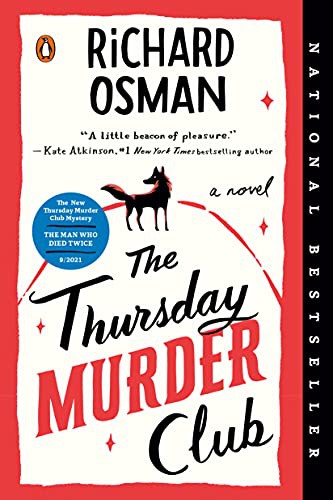
In a comfortable English retirement village, four friends meet on Thursdays to study old murder files. Elizabeth, Joyce, Ibrahim, and Ron have the time, the curiosity, and in some cases the professional pasts to treat unsolved crime as a club activity. Then a local killing turns their hobby into a live case.
This is the cozy mystery on the list: contained community, witty voices, violence handled with more banter than viscera. Osman writes age as competence. The pleasure is watching people who are underestimated build a case from gossip, cake, and inconvenient memory.
It is still a crime novel. Bodies accumulate and the jokes sit next to loneliness. Readers who want zero death should stay with the shop fantasies. Readers who want a modern village mystery that feels like good company will understand why the series became a phenomenon.
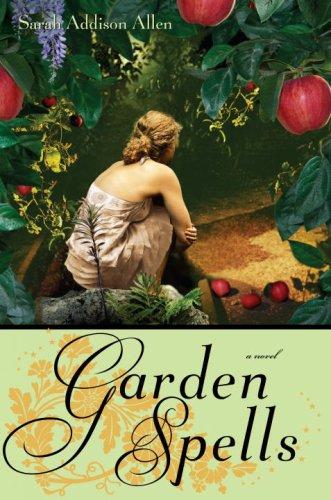
Garden Spells
- Series
- Waverley Family
In Bascom, North Carolina, the Waverley women are known for gifts that other families would rather gossip about than understand. Claire cooks with flowers that change how people feel. An apple tree in the garden has a reputation of its own. When her sister Sydney comes home with a child and a past she cannot outrun, the house has to hold more than one way of being a Waverley.
Allen’s debut is older cottagecore: Southern small town, edible magic, sisters circling the same yard. The coziness is porch-and-kitchen rather than orc-and-espresso. Food is not decoration. It is how the book talks about caution, appetite, and the risk of letting someone sit at your table.
Readers who want hard magic systems will find the enchantment too folkloric. Readers who want a contemporary comfort novel with a garden that feels slightly alive still pass this title around as a gateway to magical-realism cozies.
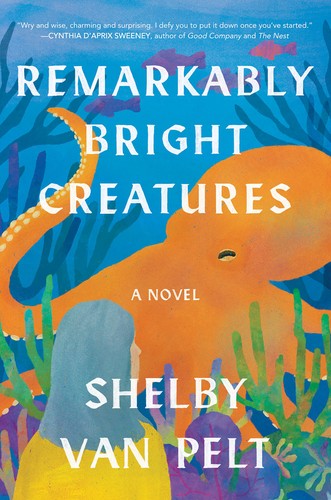
Remarkably Bright Creatures
Tova Sullivan works nights at a small-town aquarium, keeping grief at bay with mop water and routine after her husband’s death and, decades earlier, the disappearance of her son. Marcellus, a giant Pacific octopus near the end of his life, watches the humans with a dry, exact mind and notices what Tova cannot afford to see.
This is not fantasy in the dragon sense, but comfort readers keep filing it with cozy books because the aquarium is a contained world and the octopus is excellent company. Van Pelt writes loneliness without cruelty. The mystery of the missing son gives the novel a spine, yet the daily texture—shift work, neighbors, a creature who refuses to be only an exhibit—is what people remember.
It is sadder than a coffee-shop fantasy. If you need only levity, skip it for now. If you want a contemporary comfort novel with an unforgettable nonhuman voice, it belongs among the fifteen.
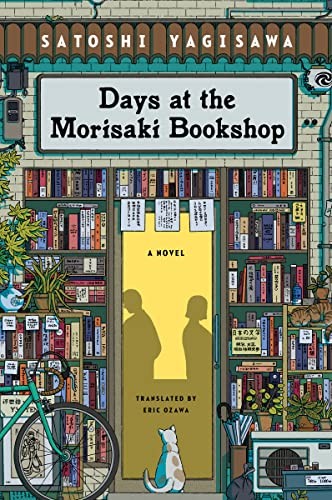
Days at the Morisaki Bookshop
- Series
- Morisaki Bookshop
After a sudden breakup, Takako loses the shape of her Tokyo life and accepts a temporary room above her uncle’s used bookshop in Jimbocho. The shop is cramped, the work is simple, and the books are a slower kind of company than the one she planned on. Getting through the days becomes the plot.
Yagisawa’s short novel is bookshop hygge without a hidden portal. The comfort is dust, regulars, and a relative who will not force a pep talk. Western cozy lists adopted it alongside other Japanese healing titles because it treats reading as a way back into a life, not as a personality brand.
It is brief and emotionally straightforward. Readers who want a twisty narrative may finish unsatisfied. Readers who want to sit in a secondhand shop while someone quietly recovers will understand the recommendation pattern.

The Kamogawa Food Detectives
- Series
- Kamogawa Food Detectives
Behind a modest Kyoto diner, a father and daughter take cases that cannot be solved with a badge. Customers arrive wanting one more taste of a dish tied to someone they loved or a version of themselves they lost. Nagare and Koishi reconstruct the recipe, then serve the memory as a meal.
Kashiwai’s linked stories work like a cozy mystery in which the clue is a broth. Kyoto streets, family kitchens, and the ethics of getting a flavor exactly right do the world-building. There is detection, but the reward is recognition rather than an arrest.
Readers sometimes want more plot per chapter than the structure offers. The book is a tasting menu. If you like Kawaguchi’s café rules but would rather follow soup than time travel, this is the better table.
How to choose among these 15
Start with the texture you want in the room. Coffee, pastries, and D&D species point to Baldree. A house of magical children points to Klune. Snow, footnotes, and faeries point to Fawcett. A real-world shop or library points to Yagisawa or Aoyama. A puzzle with friends in their seventies points to Osman.
If your last epic fantasy left you tired, avoid treating every title here as interchangeable. Emily Wilde and Can’t Spell Treason Without Tea still move. Kawaguchi and Chambers barely move at all. Match the book to your nervous system that week, not to a single definition of cozy.
Frequently asked questions
What makes a book cozy rather than just low-stakes?
Cozy usually means a contained setting, a humane tone, limited graphic harm, and a plot that resolves through community, work, or understanding. Low stakes alone are not enough; a bleak novella can have small events and still feel cold.
Are cozy books only cozy mysteries or cozy fantasy?
No. Those are the loudest labels, but readers also use cozy for healing fiction, bookshop novels, cottagecore magical realism, and some contemporary stories built around food, grief, and everyday care.
Which of these is the best first cozy fantasy?
Legends & Lattes is the most common on-ramp because the conflict stays inside a shop. The Very Secret Society of Irregular Witches is a strong contemporary alternative if you want witches and a house more than orcs and espresso.
Do cozy books avoid sad topics?
Not always. Several books on this list include death, prejudice, depression, or missing family members. The difference is treatment: the narrative generally stays companionable and does not linger on gore.
Can these be read in any order?
Yes as a list. Where a title is first in a series, you can stop after book one. Durst’s later Spellshop novels are built to stand alone in the same world, but the rest of the series entries here are true openers.
Comfort reading is a practical habit, not a lesser one. These 15 cozy books give you different doors into the same need: a world small enough to hold, characters who can be fed, and a last page that does not treat hope as naïve. Pick the shop, the island, the café, or the retirement-village jigsaw table, and let the night stay quiet.
Sources and further reading
- Wikipedia: Cozy fantasy
- USA Today cozy fantasy roundup
- Penguin Random House cozy fantasy list
- Tor Publishing Group book pages
- Berkley / Penguin Random House
- Del Rey / Penguin Random House
- Wikipedia: Howl's Moving Castle
- Wikipedia: The Thursday Murder Club
- Wikipedia: A Psalm for the Wild-Built
- Hanover Square / Picador listings
- HarperCollins / Ecco listings
- G.P. Putnam's Sons
- Book Riot cozy genre guide
- r/CozyFantasy and r/suggestmeabook threads