This article may contain affiliate links. If you buy a book through those links, we may earn a small commission at no extra cost to you.
Searches for girly books usually want the same thing: stories that feel feminine on purpose. That can mean shopping bags and magazine internships, four friends sharing one pair of jeans, a diary full of humiliating resolutions, or a girl who writes secret love letters and hopes nobody ever reads them.
This list sticks to thirteen titles that readers actually tag as girly. It mixes 1990s and 2000s chick lit, a few coming-of-age classics that still shape girlhood reading, and newer rom-coms that keep the same softness without copying the old pink-cover formula. The books are not identical in tone. Some are fizzy. Some are sentimental. A few are sharper than their reputations suggest.
What people mean by girly books
Girly is not a library catalog term. On Goodreads shelves and in reader threads, it usually points to fiction centered on young women, female friendship, clothes, crushes, diaries, weddings, offices, and the private comedy of trying to look composed. Chick lit from the late 1990s and early 2000s still dominates those shelves: Sophie Kinsella, Helen Fielding, Lauren Weisberger, Emily Giffin. Older titles such as Pride and Prejudice, Little Women, and Anne of Green Gables stay on the same lists because they taught generations of readers how girlhood, sisters, and first attachments look on the page.
The label has limits. Plenty of readers use it affectionately. Others find it dismissive, as if a book about women at work or in love must be lesser. This article treats girly as a mood, not a value judgment. The books below are here because they match that mood closely: feminine social worlds, plenty of feeling, and plots that spend time on friendship, style, embarrassment, and romance. They are not a complete map of women’s writing, and they are not all light. A few include grief, family strain, or messy ethics. That is part of why they last.
13 girly books worth putting on your list
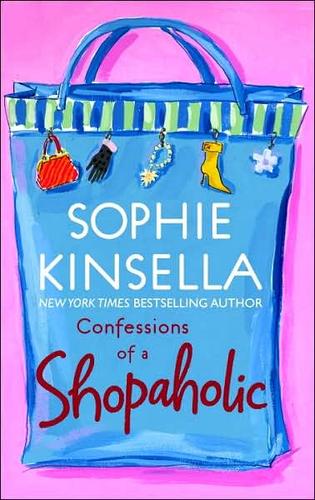
Confessions of a Shopaholic
- Series
- Shopaholic
Becky Bloomwood looks like the kind of London woman who has already solved adult life. She has the flat, the friends, the clothes, and a job writing about money. The joke, and the engine of the novel, is that she cannot stop spending. Bills pile up. Credit letters arrive. She keeps telling herself the next purchase is the one that will make her feel finished.
This is the most literal match for a girly-books search: shopping, glossy magazines, city friendship, and comic panic. Kinsella writes humiliation as entertainment rather than punishment. Becky is not a cautionary tale so much as a person who wants beauty and belonging and keeps paying for both. Readers who bounce off chick lit often call the book thin. Readers who love it come back for the voice, the set pieces, and the pleasure of watching someone try to look expensive while her bank account files a complaint. It belongs here because later girly fiction still borrows its mix of fashion hunger and slapstick.

Bridget Jones's Diary
- Series
- Bridget Jones
Bridget Jones keeps a year of lists: calories, cigarettes, alcohol units, and the kind of resolutions that collapse by Wednesday. The diary form makes the book feel private even when the plot is public. Family dinners, office politics, and two very different men all pass through the same anxious, funny voice.
Fielding’s novel is the template a lot of later girly fiction tried to copy. It is more socially sharp than its pink-cover cousins. Bridget is ridiculous on purpose, but the book also notices how single women get managed by relatives, magazines, and their own scorekeeping. Some readers now find the body talk dated. Others still recognize the mix of hope and self-sabotage. It earns a place on this list because “girly books” as a publishing mood starts here as much as anywhere: a woman narrating her own mess in real time and refusing to become a tasteful tragic figure.
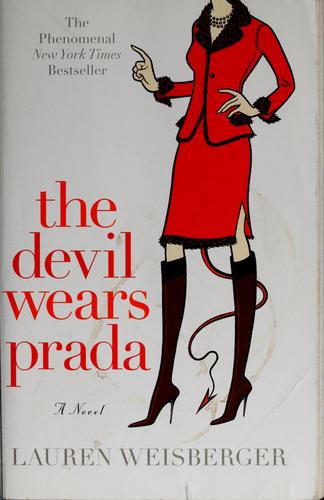
The Devil Wears Prada
- Series
- The Devil Wears Prada
Andrea Sachs takes a job that looks like a prize: assistant to the editor of a powerful New York fashion magazine. The clothes are better than anything she owns. The hours are not. The book follows the gap between the fantasy of working in fashion and the daily labor of pleasing a boss who treats other people’s lives as optional.
This is girly in the magazine-world sense rather than the cupcake sense. Friendship, outfits, and status still matter, but the pleasure is watching a young woman learn how glamour is manufactured. Readers who know the film sometimes expect a warmer book than they get. The novel is cattier and more exhausted. That difference is useful on a list like this. Not every girly book is cozy. Some are about wanting the pretty life badly enough to see what it costs.

Something Borrowed
- Series
- Darcy & Rachel
Rachel has spent years being the reliable friend beside flashier Darcy. After a birthday night that she cannot neatly undo, the good-girl role stops fitting. The novel is built on loyalty, envy, and the question of whether wanting someone already claimed makes you honest or cruel.
Giffin’s debut shows up constantly on girly-book shelves because it looks like wedding fiction and behaves like a moral knot. It is less fizzy than Kinsella and less diary-comic than Fielding. The pull is emotional rather than slapstick: two women, one man, and a long friendship that cannot survive on old roles. Some readers dislike Rachel. That reaction is part of the book’s staying power. A girly list that only includes harmless heroines would miss how often these novels are about women disappointing each other.
The Princess Diaries
- Series
- The Princess Diaries
Mia Thermopolis is a tall, awkward Manhattan freshman who thinks algebra and a missing dance date are her biggest problems. Then her father explains that he is the crown prince of Genovia and that she is next in line. The book is a diary of a girl trying to stay ordinary while princess lessons, family secrets, and school politics arrive at once.
Cabot’s series is one of the cleanest examples of girly YA: crushes, clothes, grandmothers with opinions, and a heroine who would rather disappear than sparkle on command. It is lighter than the adult chick-lit titles on this list and more openly teen-voiced. That is a feature. Readers hunting for girly books often want the fantasy of transformation without a grim coming-of-age gauntlet. Mia’s Genovia is invented, but the feelings are school-scale: embarrassment, loyalty, and the fear of being looked at.
The Sisterhood of the Traveling Pants
- Series
- The Sisterhood of the Traveling Pants
Carmen, Lena, Bridget, and Tibby have one summer apart and one pair of thrift-store jeans that somehow fits each of them. The pants move from friend to friend while the girls scatter into family visits, first jobs, sports camps, and private disappointments. The novel is less about denim than about staying linked when the group can no longer occupy the same room.
This is the friendship entry on a list that could otherwise tilt too hard toward romance and shopping. Brashares writes girlhood as a shared weather system: crushes matter, parents matter, bodies matter, and the real plot is whether four different summers can still belong to one story. Readers who want only froth may find parts more tender or painful than expected. That range is why the book keeps getting named when people ask for girly reads that are not just boy-meets-girl.

Pride and Prejudice
Elizabeth Bennet has wit, sisters, a mother hunting marriages, and a first impression of Mr. Darcy that she is in no hurry to revise. The novel watches a small social world where dances, visits, letters, and overheard remarks decide futures. It is funny about vanity and serious about how little room women were given to choose badly.
Austen remains on girly-book lists because the pleasures people want from those lists already live here: clothes as social signal, sisters as chorus, a heroine who would rather be clever than merely pleasing, and a romance that works by correction rather than instant surrender. It is not pastel. The stakes are money, reputation, and family. That is useful context for later chick lit, which keeps borrowing the sparkle and leaving out the economic threat. Read it here as the ancestor, not as a museum piece.
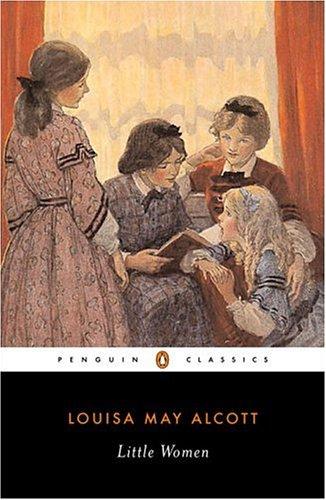
Little Women
The March sisters—Meg, Jo, Beth, and Amy—grow up in a New England household stretched by war, scarce money, and large ambitions. Plays in the parlor, letters, small vanities, and serious losses all share the same rooms. The book is interested in how four different temperaments can belong to one family without becoming the same girl.
If Sisterhood is the modern friendship classic on this list, Little Women is the older sisterhood that made that shape possible. It is girly in the domestic, sisterly, coming-of-age sense: dresses made over, Christmas generosity, artistic hunger, and the question of what a girl is allowed to want. Readers who only know film versions are sometimes surprised by how moral and how practical the novel is. It still belongs here because so many later girly books are trying, in lighter clothes, to answer the same question: how do you stay yourself among the people who formed you?

Anne of Green Gables
- Series
- Anne of Green Gables
Anne Shirley arrives at Green Gables by mistake. Matthew and Marilla Cuthbert wanted a boy to help on the farm; they get a red-haired orphan who names places, recites tragedy, and talks until the air changes. The novel follows her first years on Prince Edward Island as imagination collides with chores, school, and a community that is not sure what to do with her.
This is girly in the floral, talkative, coming-of-age way rather than the urban-chick-lit way. Anne loves pretty things and grand language. She also works, blunders, and attaches herself fiercely to people and landscapes. Readers looking only for romance will find something quieter: belonging, education, and the comedy of a girl who cannot stop decorating ordinary life. It remains on girly lists because it treats a girl’s inner world as large enough to fill a book.

Beach Read
January Andrews writes romance and no longer believes in it. Augustus Everett writes bleak literary fiction and is stuck. They end up in neighboring lake houses and make a wager: each will try the other person’s kind of book. The summer fills with research trips, porch arguments, and the slow admission that both of them are writing around private wreckage.
Henry is the current face of girly-adjacent commercial romance: witty women, attractive covers, bookish banter, and feelings that arrive on schedule. Beach Read still fits this list because it is self-conscious about the genre people call fluffy. January’s job is the fantasy many girly-book readers have. The novel then asks what happens when the person who sells happily-ever-after cannot use one herself. It is steamier and more contemporary than the 2000s chick-lit titles above, which is the point of including it. The mood survived. The vocabulary changed.
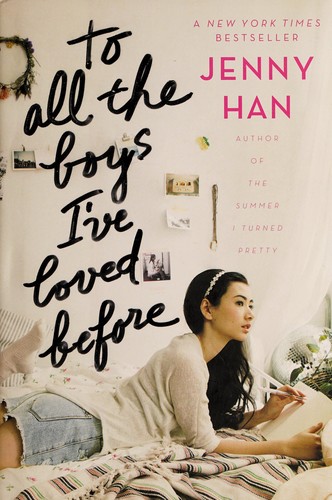
To All the Boys I've Loved Before
- Series
- To All the Boys I've Loved Before
Lara Jean Song Covey writes love letters she never sends and hides them in a hatbox. When the letters go out into the world, every old crush becomes a current problem. The book is as interested in her sisters, her late mother’s presence, and the rituals of a careful girl as it is in the sudden dating plot.
Han’s novel is the YA rom-com many readers now mean when they say girly: cute, sincere, sibling-heavy, and built around a heroine who likes pretty details and private feelings. It is softer than Bridget Jones and less chaotic than Shopaholic. The appeal is control slipping in a life that has been arranged around not making a scene. Readers who want only adult chick lit may find the high-school setting too young. On a girly list, that youthfulness is the match.

P.S. I Love You
Holly Kennedy expected to keep building a life with her husband. After his death, she receives a set of letters he prepared in advance, each one sending her toward a task, a night out, or a version of herself she does not feel ready to meet. Friends and family crowd the edges, sometimes helpfully and sometimes too loudly.
This is the sentimental wing of girly reading: tears, friendship, shopping as survival, and a love story that continues after the love object is gone. It is not comic in the Kinsella way. Readers either lean into the premise or reject it as too constructed. Both reactions make sense. The book is on this list because girly shelves have always included weepy romance alongside fizzy comedy, and Ahern’s debut became one of the most visible examples of that softer mode.

Good in Bed
Cannie Shapiro is a Philadelphia reporter with a complicated family, a beloved dog, and an ex who turns their relationship into magazine copy. The book follows the year after that public ambush: work, friendship, family revelations, and the slow argument Cannie has with how she is seen.
Weiner’s debut is chick lit with a thicker emotional hide. It has the magazine world and the messy love life, but it spends more time on body image and family than the frothiest books on this list. That is why it belongs here and why it is not interchangeable with Shopaholic. Readers who want only weightless comedy may find it heavier. Readers who want girly fiction to admit that looking at women’s bodies is part of the culture those books live in will find it more honest than its cover history suggested.
How to choose among these 13
If you want fashion and jokes, start with Confessions of a Shopaholic or The Devil Wears Prada. If you want the diary voice that defined chick lit, read Bridget Jones's Diary. If friendship matters more than outfits, use The Sisterhood of the Traveling Pants or Little Women. If you want a classic with a marriage plot, Pride and Prejudice still does that work better than most modern copies.
For a soft contemporary romance, Beach Read and To All the Boys I've Loved Before are the easiest modern on-ramps. P.S. I Love You is the weepy option. Something Borrowed and Good in Bed are the ones that ask you to sit with discomfort. The Princess Diaries and Anne of Green Gables are the gentlest if you want girlishness without adult mess. None of these books will satisfy a reader looking for grim literary experiment or high-steam fantasy romance. That is not a failure of the list. It is the brief.
Frequently asked questions
What counts as a girly book?
In reader shelves and forums, the phrase usually means fiction about young women that spends time on friendship, clothes, crushes, diaries, weddings, offices, or coming of age. It is a mood label, not a library subject heading. This list uses the books people actually file that way.
Are girly books the same thing as chick lit?
Not exactly. Chick lit is the late-1990s and 2000s wave of comic women’s novels about work, dating, and city life. Girly is broader. It also includes older coming-of-age novels and newer rom-coms. Several titles here are chick lit. Austen, Alcott, and Montgomery are not.
Which of these are lightest if I do not want heavy themes?
Confessions of a Shopaholic, The Princess Diaries, and To All the Boys I've Loved Before are the safest light starts. Pride and Prejudice is socially sharp but not grim. Skip P.S. I Love You if you do not want grief, and skip Something Borrowed if friend-betrayal plots bother you.
Do I need to read the series in order?
Yes for Shopaholic, Bridget Jones, The Princess Diaries, The Sisterhood of the Traveling Pants, Anne of Green Gables, and To All the Boys I've Loved Before. Start with the first book named here. Pride and Prejudice, Beach Read, P.S. I Love You, and Good in Bed work as standalones.
Are these books only for women or teenage girls?
No. The marketing was aimed at women, and the social worlds are feminine on purpose. The books themselves do not require the reader to be a girl. They do assume interest in friendship, romance, and domestic or fashionable detail. If that is not what you want, a different list will serve you better.
These thirteen titles cover the main ways readers use the phrase girly books: comic shopping novels, magazine-world ambition, sisterhood, classic girlhood, weepy romance, and newer rom-coms that still want the pretty surface. Pick by mood rather than by cover color. The best match is the book whose problems you are in the mood to watch a woman survive.
Sources and further reading
- Goodreads girly-books shelf
- Goodreads Girly books list
- Penguin Random House Shopaholic page
- Bookreporter Bridget Jones's Diary
- Wikipedia Something Borrowed
- Penguin Random House Sisterhood page
- Penguin Classics Pride and Prejudice
- Wikipedia Anne of Green Gables
- Publishers Weekly Beach Read
- Simon & Schuster / Amazon To All the Boys
- Wikipedia PS, I Love You
- Wikipedia Good in Bed
- Reddit r/BooksThatFeelLikeThis girly thread